How to Transplant Wood anemone?
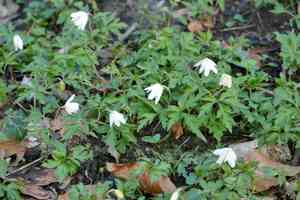
For wood anemone, late spring offers the best conditions for relocation, guaranteeing vigorous development. Choose a shaded area featuring damp, adequately draining earth. Carefully assist wood anemone in settling into its new environment, preserving the soil's texture to aid in adaptation.
What Preparations are Needed Before Transplanting Wood Anemone?
What is the Ideal Time for Transplanting Wood Anemone?
For wood anemone, the optimal period for relocation is from mid to late spring. This timing allows wood anemone to adapt to new surroundings prior to summer. Moving wood anemone then leverages warmer soil conditions favorable for root development, promoting vigorous growth and vitality in your garden.
How Much Space Should You Leave Between Wood Anemone Plants?
When relocating wood anemone, proper spacing is crucial. Aim for a separation of 1-2 feet (approximately 30-60 cm). This will ensure thriving, healthy plants with ample room to expand and flourish. Keep this guideline in mind as you plan your garden layout.
What is the Best Soil Mix for Wood Anemone Transplanting?
For successful wood anemone relocation, prepare a damp, well-draining soil. Incorporating a foundational fertilizer rich in organic matter will aid their establishment and growth. Maintain a balanced pH, avoiding extreme acidity or alkalinity. They will thrive in such an environment!
Where Should You Relocate Your Wood Anemone?
Wood anemone favor partially shaded locations. Ideal spots are beneath tall trees or building overhangs. Direct sunlight might be too intense for them. Seek an area exposed to early morning sun or late afternoon sun for optimal development. Enjoy your gardening!
What Equipments Should You Prepare Before Transplantation Wood Anemone?
Gardening Gloves
To protect your hands when handling soil and wood anemone.
Spade or Garden Shovel
Essential for excavating the new planting site and lifting the plant.
Garden Trowel
Useful for refining the hole and extracting the plant from its container or seedling tray.
Watering Can or Hose
Used for hydrating the wood anemone in its original and new positions.
Wheelbarrow
Helpful for moving the wood anemone plant, especially if it's large or from a distance.
How Do You Remove Wood Anemone from the Soil?
How Do You Remove Wood Anemone from the Soil?
From Ground: Begin by moistening the earth surrounding the wood anemone plant. Then, using a spade or garden shovel, dig a wide circle around the plant, ensuring you are well outside the root system. Carefully wedge the spade beneath the root ball and gently lift the plant, keeping the root ball intact.From Pot: Adequately water the wood anemone plant to maintain the integrity of the root ball. Gently invert the pot while holding your hand over the soil at the plant's base. Apply slight pressure to the pot's sides to loosen the root ball and allow the plant to slide out with its soil.From Seedling Tray: Water the tray to ensure the soil is damp and roots will not be harmed. Push up the bottom of the individual cell or use a tool like a butter knife to carefully extract the wood anemone plant from its slot, retaining as much soil with the root ball as possible.
Step-by-Step Guide for Transplanting Wood Anemone
Preparation
Prepare the new planting location before extracting wood anemone from its initial spot. Dig a hole approximately twice as wide and equally as deep as the plant's root ball.
Placement
Position wood anemone in the hole. The top of the root ball should be level with or slightly below the ground surface.
Backfill
Carefully refill around the root ball with the excavated soil, gently firming the soil at the base.
Watering
After planting, thoroughly water the wood anemone. Continue to keep the plant well-hydrated until it is established.
How Do You Care For Wood Anemone After Transplanting?
Mulching
Apply a layer of organic mulch around the base of wood anemone to help retain moisture and suppress weeds. Keep the mulch a few centimeters away from the plant stem to prevent rot.
Checking
For the initial few weeks, regularly inspect the plant for any indications of transplant shock, such as wilting, yellowing, or leaf drop. Ensure the plant receives proper care during this crucial period.
Protection
Depending on your local climate and pests, you might need to provide some form of defense, such as a windbreak or a protective covering. Remember, relocation can stress plants, making them more vulnerable to pests and diseases.
Pruning
Avoid aggressive pruning immediately after transplanting. Allow your wood anemone plant some time to recover and establish itself.
Troubleshooting Common Issues with Wood Anemone Transplantation.
When is the best time to transplant wood anemone?
Ideally, wood anemone should be moved during the late spring to early autumn periods.
How much space should I leave between wood anemone during transplantation?
As a general guideline, allow roughly 1-2 feet (30-60 cm) between wood anemone plants to provide room for growth.
Why are the leaves of my transplanted wood anemone turning yellow?
Your wood anemone might be overwatered. Ensure the soil drains effectively and only irrigate when the topsoil feels dry to the touch.
Can I transplant wood anemone in the summer?
Yes, but it would be more advisable to relocate during the cooler late spring to early autumn seasons to minimize plant stress.
How long will it take for my transplanted wood anemone to settle?
Typically, wood anemone takes a few weeks to adjust after relocation. Continue with regular care and ensure they are not stressed.
What is the ideal soil type for transplanting wood anemone?
Wood anemone prefers well-drained, loamy soil enriched with organic material. Avoid clay or sandy soils for optimal results.
Why isn't my transplanted wood anemone flowering?
It might be due to insufficient sunlight. Wood anemone needs partial to full sunlight to bloom. Also, excessive fertilization can inhibit flowering.
Do I need to amend the soil before transplanting wood anemone?
Yes, enriching the soil with compost ensures better root establishment. However, avoid using fertilizers immediately after relocation.
What is the right depth to plant wood anemone while transplanting?
A good practice is to plant wood anemone at the same depth it was previously growing, usually around 2-3 inches (5-7.5 cm).
What should I do if the transplanted wood anemone shows signs of wilting?
Don't be alarmed, a small amount of initial wilting is normal. However, if it persists, check watering schedules, light conditions, and soil quality.



