How to Prune Wood anemone?
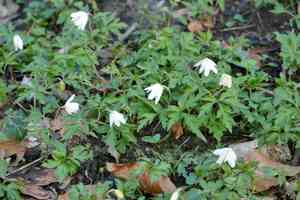
This forest perennial, recognized for its fragile white blossoms and partiality for filtered light, needs very little trimming. For wood anemone, it is advisable to take off any deceased or injured leaves when necessary, especially following its bloom period in late spring. Extensive cutting back is not essential, as the foliage will naturally decay. Trimming in the spring or early summer can foster robust development and a tidy look. Pruning additionally aids in preserving vitality and averting excessive density in abundant clusters.
What Are the Benefits of Pruning Wood Anemone?
What Are the Benefits of Pruning Wood Anemone?
Trimming wood anemone aids in maintaining its form and promotes vigorous growth, contributing to the plant's overall vitality and visual appeal.
What Is the Best Time for Pruning Wood Anemone?
What Is the Best Time for Pruning Wood Anemone?
Pruning in early Spring, prior to wood anemone fully leafing out, ensures minimal disruption to its growth cycle, allowing for a robust annual bloom. Late Autumn is also suitable as the plant has entered dormancy and the foliage has died back, reducing the risk of stress and enhancing recuperation before the next growing season. These times avoid cutting back during the flowering period in late Spring or fruiting in early Autumn, preserving the plant's health and ornamental value.
What Tools Do I Need to Prune Wood Anemone?
Sharp Bypass Hand Pruners
These are ideal for making clean cuts on the slender stems of wood anemone, minimizing the risk of harming the delicate plant structure.
Precision Snips
These are perfect for deadheading and removing spent blossoms of wood anemone without disturbing the surrounding foliage.
Gloves
While not a cutting tool, gloves protect hands during pruning and handling wood anemone, which can have sap that may cause skin irritation.
How to Prune Wood Anemone
Identify disease
Examine wood anemone for any indications of disease or discoloration on leaves and stems.
Disinfect tools
Before pruning wood anemone, ensure all tools are sanitized to prevent the spread of disease.
Prune diseased leaves
Gently trim off diseased leaves at their base, without damaging healthy parts of wood anemone.
Prune withered leaves
Remove withered leaves by snipping them at the base to promote healthy growth in wood anemone.
Prune diseased stems
Cut back diseased stems to healthy tissue, ensuring clean cuts to facilitate quick healing for wood anemone.
Common Pruning Mistakes with Wood Anemone
Overpruning
Removing too many stems can harm wood anemone's ability to recover and flourish, as it relies on its foliage to photosynthesize and nourish the underground rhizome.
Cutting at wrong places
Cutting stems too close to the ground may leave stubs that can invite pests or disease; too high, and it can leave unsightly dead tips that do not promote healthy regrowth.
Improper cleanliness
Using dirty pruning tools may spread disease to wood anemone, which can be detrimental to its health and to other plants in the vicinity.
Neglecting health check
Failing to inspect wood anemone for signs of disease or pests before pruning can result in inadvertently spreading problems throughout the plant.
Inadequate tool selection
Employing the wrong tools for pruning can cause unnecessary damage to the plant's delicate structure.
Common Pruning Tips for Wood Anemone
Gentle pruning
Focus on removing only the dead or damaged foliage to maintain the health and aesthetic of wood anemone, while avoiding unnecessary stress to the plant.
Use clean tools
Ensure pruning tools are clean and sharp to prevent the spread of disease and to make clean cuts that heal more rapidly.
Post-bloom pruning
If necessary, prune wood anemone after flowering to ensure energy is not wasted on seed production if propagation isn't desired, while still maintaining enough foliage for photosynthesis.
Disease management
Prune away any diseased or pest-infested parts of wood anemone to help control the spread of the issue, and dispose of these parts properly.
Minimal interference
Allow wood anemone to grow naturally as much as possible, intervening minimally, as this plant typically requires little to no pruning to thrive.



