The Wood anemone Plant Advantage: Maximizing Home and Office Appeal and Wellness
1
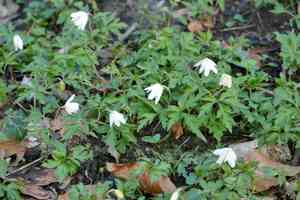
The wood anemone is an easy-to-care-for plant, ideal for shaded garden spots.
2
This species enhances natural aesthetics with its fragile white blooms every spring.
3
Wood anemones are recognized for aiding local ecosystems by drawing in helpful insects.
Why Select Wood Anemone for Your Garden?
Thrives in Shaded Environments
Wood anemone excels due to its remarkable capacity to thrive in shaded conditions. Whether facing partial or complete shade, this plant can flourish, making it perfect for woodland edges and beneath tree canopies. It ensures that even the darkest corners of your garden can be adorned with vibrant foliage and delicate blooms.
Minimal Upkeep Requirements
A significant advantage of Wood anemone is its low maintenance demands. Once established, it needs very little intervention, making it an ideal choice for both new gardeners and those who prefer a low-effort garden. Consistent watering during dry periods and occasional mulching are all this resilient plant asks for, freeing up your time to enjoy your garden instead of toiling over it.
Boosting Aesthetic Appeal
Seasonal Blooms
Each spring, Wood anemone reveals its delicate white flowers, transforming your garden into a picturesque scene. These blossoms not only add visual interest but also emit a subtle fragrance that enhances the sensory experience of your outdoor space. Whether used as ground cover or part of a mixed border, the annual flowering of Wood anemone is a delightful spectacle.
Natural Ground Cover
Wood anemone serves as an excellent natural ground cover, forming a lush green carpet that suppresses weeds and retains soil moisture. This characteristic is particularly advantageous in larger garden areas or woodland gardens where maintaining tidy, weed-free grounds can be a difficult task. Additionally, its spreading habit ensures that bare spots in your garden are quickly filled, maintaining continuous greenery.
Ecological Contributions
Attracting Beneficial Insects
Including Wood anemone in your garden helps support local ecosystems. This plant draws various pollinators, including bees and butterflies, which play a vital role in the pollination of other plants. By encouraging the presence of these helpful insects, Wood anemone aids in promoting biodiversity and the overall health of your garden.
Soil Health and Erosion Prevention
Beyond enhancing your landscape and attracting pollinators, Wood anemone also contributes to soil health. Its root system assists in preventing soil erosion, especially on sloped terrains. This plant's ability to form a dense ground cover ensures that soil remains intact, fostering better soil structure and reducing the risk of erosion-related problems.



