How to Propagate Wood anemone?
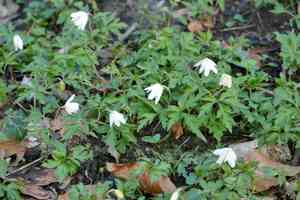
Wood anemone flourishes most effectively when reproduced via its rhizomes. Delicately separate these in the fall and promptly re-embed them, making sure they are situated in soil that drains well and is rich in organic matter, beneath dappled sunlight. It is essential to manage the rhizomes with care to prevent harm, as this can impact the plant's capacity to take root and prosper.
When Is the Optimal Time to Propagate Wood Anemone?
Propagation Method
Utilize The Tubers
Propagation Period
Spring
What Implements Are Employed in Wood Anemone Propagation?
Garden Trowel
A garden trowel is essential for carefully extracting wood anemone's tubers from the earth, minimizing harm during removal. Its slender blade allows for precise digging around the plantâs root area without severing the tubers, which is vital for preserving the health and integrity of the propagules.
Rooting Hormone Powder
This assists in stimulating root formation when propagating wood anemone from tubers. Applying a rooting hormone to the cut surfaces of the tubers can enhance root development and improve the overall survival rate of the new plants, fostering quicker establishment.
Potting Mix
A light and well-draining potting medium is crucial for the initial planting of wood anemone's tubers. It ensures that the delicate new roots have an ideal environment for growth, with adequate moisture retention and aeration to prevent rot and encourage healthy root development.
Plant Labels
For organizing and monitoring the progress of propagated wood anemone, plant labels are indispensable. Labeling helps in tracking the development of each specimen, recording planting dates, and can include specific care instructions tailored to wood anemone as it matures.
Watering Can with a Gentle Spray
A watering can with a fine spray setting is vital for gently hydrating the newly planted tubers of wood anemone. It allows for even, soft watering without disturbing the soil structure or dislodging the small tubers, aiding in consistent moisture levels conducive to growth.
How to Nurture Your Newly Propagated Wood Anemone?
How to Nurture Your Newly Propagated Wood Anemone?
After propagation, ensure that wood anemone is kept in a shaded or partially shaded location as it prefers cooler, protected spots. The soil should be fertile and well-draining, rich in organic matter. Consistent watering is vital during the growing season, especially during extended dry periods, as wood anemone does not tolerate drought well. Additionally, applying a mulch of leaf mold or compost in autumn helps protect the tubers and keeps the soil moist and nutrient-rich.
Common Errors to Avoid When Propagating Wood Anemone
Over-watering
Excessive watering can lead to root rot in wood anemone, as it prefers well-drained soil. This error can severely impact the plant's health, hindering growth or even causing demise.
Deep planting
Wood anemone has rhizomes that benefit from being planted superficially. Burying them too deeply can impede their growth and reduce the chances of successful propagation.
Overcrowding
Planting wood anemone too closely can lead to competition for resources. This congestion may result in weaker plants and lower flowering rates, diminishing the overall aesthetic and health of the colony.
Ignoring soil conditions
Wood anemone thrives in humus-rich, well-drained soil. Neglecting to prepare the soil appropriately can hinder root development and nutrient absorption, compromising plant vigor.
Advice For Propagating Wood Anemone
Use division method
Dividing the rhizomes of wood anemone in early spring or after flowering concludes promotes healthy growth and helps maintain vigor. This method ensures each new plant has sufficient resources and space to develop.
Maintain soil moisture
Keeping the soil consistently moist, but not waterlogged, is crucial for wood anemone. This balance supports healthy root growth without the risk of diseases associated with too much water.
Ensure light shade
Wood anemone prefers light shade rather than full sunlight, which can scorch its leaves and flowers. Proper shading encourages better flowering and mimics its natural woodland habitat.
Incorporate organic matter
Amending the soil with organic matter helps simulate the rich, loamy conditions of wood anemone's natural environment. This aids in nutrient retention, enhances soil structure, and promotes healthier growth.



