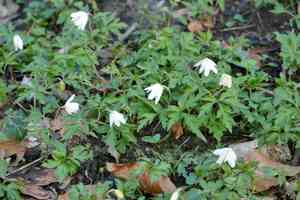
Wood anemone (Anemone nemorosa)
Also known as: European thimbleweed, Smell fox
The wood anemone (Anemone nemorosa) is a perennial herb native to Europe. It blooms in early spring and is notable for the musky scent of its leaves. Also known as windflower, thimbleweed, and smell fox, this plant is popular in gardens, with many cultivated varieties available.
Attributes of Wood anemone
Images of Wood anemone
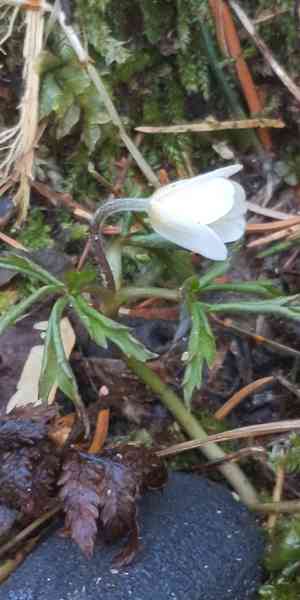
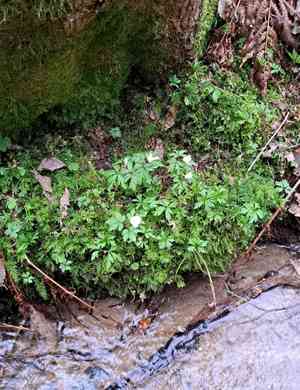
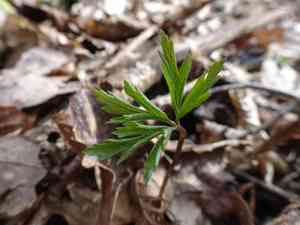
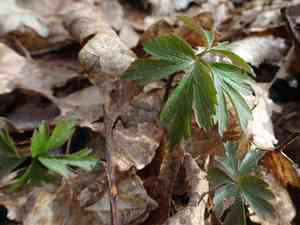
Quickly Identify Wood anemone
Scientific Classification of Wood anemone
Planting and Growing of Wood anemone
 How to Water Wood anemone?
 What Are the Sunlight Requirements for Wood anemone?
 What Is the Ideal Temperature Range for Wood anemone?
 What Soil is Best for Wood anemone?
 How to Fertilize Wood anemone?
 How to Prune Wood anemone?
 How to Propagate Wood anemone plant?
 How to Repot Wood anemone plant?
Toxicity of Wood anemone
Is Wood anemone toxic to humans?
Wood anemone presents a significant toxic threat to humans when ingested. The entire plant harbors the harmful compound protoanemonin, which can result in serious health complications. If any part of the wood anemone is consumed, individuals might experience severe gastrointestinal distress, including intense vomiting, diarrhea, and abdominal pain. Furthermore, the toxin can lead to symptoms such as excessive salivation, headaches, and lightheadedness. In extreme cases, consumption may trigger tremors, seizures, or even respiratory failure. Given its high toxicity, even minimal exposure can be perilous, and accidental consumption must be meticulously avoided.
Is Wood anemone toxic to cat?
Wood anemone presents a serious toxicity hazard to cats, affecting the entirety of the plant—leaves, stems, and flowers—due to its poisonous constituents. Should a cat inadvertently consume any portion of wood anemone, it could experience serious health issues stemming from the toxic compound protoanemonin found within. The symptoms observed in affected felines may range from mild discomfort to severe distress, dependent on the amount ingested. In light of the alarming toxicity associated with wood anemone, it is crucial for pet owners to closely supervise their animals and to promptly seek veterinary assistance in the event of ingestion to ensure timely and effective treatment.
Is Wood anemone toxic to dog?
Wood anemone presents a significant toxicity hazard for dogs. Canines could inadvertently consume various parts of this plant, resulting in poisoning. The entire organism is harmful, and ingestion may produce a spectrum of symptoms that could encompass vomiting, diarrhea, abdominal discomfort, and excessive salivation. In critical instances, ingestion of wood anemone can provoke more severe neurological effects or could even be lethal without prompt intervention. Should you suspect that your dog has ingested wood anemone, it is vital to obtain immediate veterinary assistance to secure the best possible outcome for your beloved pet.



