Feng Shui for Wood anemone
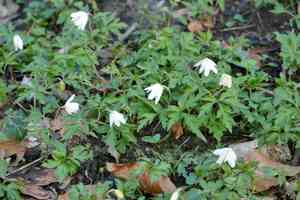
The Anemone nemorosa aligns with Feng Shui concepts and conveys feelings of revitalization and fresh starts, commonly linked to the Wood element. It is well-suited for eastward-facing areas, probably because it favors early daylight, representing development and expanding opportunities. Nevertheless, this should be understood through individual discernment, as Feng Shui suitability can vary for each person.
How Does Wood Anemone Influence Energies in Your Life?
Growth, renewal
As its Element is 'Wood', wood anemone symbolizes growth and renewal. They signify life's cycle, expansion, and the drive needed to progress.
Arousal, Action
In alignment with 'Zhen' Qi, wood anemone represents arousal and action. It serves as a prompt to stay vigilant, awaken your senses, and initiate action when required.
What Makes Wood Anemone An Auspicious Choice In Feng Shui?
Grow
The wood anemone aids in cultivating your aspirations, as it spiritually nourishes your goals, being a potent 'Wood' element strong in growth and development.
Harmony
Linked with 'Zhen' Qi, wood anemone can introduce harmony into your environment by balancing Yin and Yang energies, promoting peace and serenity.
Revitalization
Wood anemone possesses revitalizing qualities; following 'Wood's' natural tendency for renewal, it can help invigorate weary spirits and restore diminished energies.
What Maintenance Tips Should Be Considered for Wood Anemone?
Overgrowth
Refrain from placing it near resting or sleeping areas. 'Wood' energy might encourage excessive activity, disrupting tranquility and restful sleep.
Draining
Wood anemone requires proper care. Neglected or dying plants can deplete or obstruct the Qi, affecting overall energetic well-being.
Elemental Balance
Ensure you balance the 'Wood' element of wood anemone with other elements in your space, as an excess can lead to energetic imbalances.
Where to Position Wood Anemone for Feng Shui?
Where to Position Wood Anemone for Feng Shui?
The wood anemone aligns with Feng Shui principles and embodies a sense of renewal and fresh starts, typically linked to the Wood element. It is suitable for East-facing spots, likely due to its preference for morning sunlight, symbolizing growth and emerging opportunities. However, this should be interpreted with personal intuition, as Feng Shui compatibility can vary for individuals.



