How to Transplant Red bead tree?
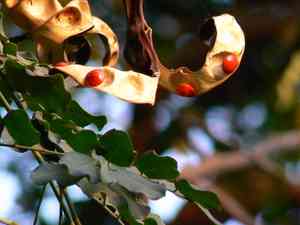
The most favorable period for relocating red bead tree is mid-spring, which encourages peak development. Select a brightly lit location featuring soil that drains effectively. To achieve successful transplantation, guarantee that root disruption is kept to a minimum and provide ample watering following the move.
Essential Preparations Before Relocating Red Bead Tree?
When is the Best Time to Move Red Bead Tree?
The perfect window for moving your red bead tree falls during the vibrant period of mid-to-late spring. This timeframe, characterized by warming ground and lengthening days, provides your red bead tree an excellent opportunity to develop strong roots before the summer heat. Transplanting at this season leverages the natural growth cycle, ensuring your red bead tree flourishes with vitality and healthâa testament to impeccable timing!
What Spacing is Recommended Between Red Bead Tree Plants?
For red bead tree, when relocating, maintain a distance of 10-12 feet (3-3.6 meters) between each specimen. This provides ample room for development. Remember, a thriving plant requires adequate spacing to prosper!
What is the Optimal Soil Blend for Red Bead Tree Relocation?
For red bead tree, the substrate should be well-draining and rich in organic matter. Incorporate a foundational fertilizer like compost or manure to enrich your soil prior to transplantation. Healthy soil ensures an excellent beginning!
Where Should You Replant Your Red Bead Tree?
Select a site where red bead tree will receive full sun to partial shade. Sufficient sunlight is crucial for a vibrant red bead tree! Therefore, ensure your plant isn't overshadowed by larger trees or structures.
What Tools Are Needed Before Transplanting Red Bead Tree?
Gardening Gloves
Essential for protecting your hands while handling soil and planting N.
Garden Spade or Shovel
Useful for digging and moving earth during the relocation process.
Pruning Shears
A sharp pair of shears for trimming any damaged roots before transplanting.
Hand Trowel
For excavating small holes or handling the plant with greater care.
Wheelbarrow or Bucket
Used for transporting the N from its original spot to its new location. Also suitable for carrying compost or topsoil.
Hose or Watering Can
Crucial for hydrating the plant before and after transplantation.
Garden Fork
Indispensable for loosening the soil around N prior to its removal.
How to Extract Red Bead Tree from the Ground?
How to Extract Red Bead Tree from the Ground?
From Ground: Start by watering the N in its current ground location to moisten the soil. Using your spade or garden fork, dig a circular trench around the outer perimeter of the plant's root system. Be careful not to sever any roots. Once completed, gently work the spade beneath the N's root ball and lift the plant from its previous spot. You can then place it on your wheelbarrow or in a bucket.From Pot: Water the N generously to ensure the rootball is damp. Slowly and carefully ease the N out of the pot by tilting it sideways, while supporting the N's trunk with one hand and the pot with the other. Avoid pulling or stressing the stems.From Seedling Tray: First, water the seedlings to facilitate removal. Using a small implement, such as a spoon or a plant marker, prod down the edge of the seedling cell, then underneath and upwards to lift the entire clump of soil and roots out. Be cautious not to crush the stem or disturb the roots.
Step-by-Step Guide for Relocating Red Bead Tree
Transplant Timing
Select the optimal time for relocation; this is typically evening or a cloudy day to minimize the N plant's exposure to sunlight and stress immediately after transplanting.
Hole Preparation
Excavate a hole at the new site that is roughly twice the width of your N's root ball using your shovel or garden spade. The depth of the hole should match the height of the root ball.
Placement
Position the N in the prepared hole, ensuring it sits at the same depth as it did in its previous location. If it was pot-grown, spread the roots out within the hole.
Backfilling the Hole
Begin refilling the hole with the native soil. Gently firm the soil around the roots as you fill to prevent air pockets.
Watering
Once the N is in its new location, water it generously with the hose or watering can until the soil is thoroughly saturated.
How to Care for Red Bead Tree After Relocation?
Monitoring
Continuously observe the N for the initial few weeks, looking for signs of stress or illness.
Watering
Keep the soil adequately moist but not waterlogged. Deep watering directly to the root zone is more beneficial, as it encourages the roots to establish deeper into the soil.
Pruning
Lightly trim the N after transplanting to remove any damaged branches, but avoid extensive pruning to allow the plant to prioritize root growth over leaf development.
Protection
Shield the newly relocated N from harsh weather conditions such as excessive sun, wind, or frost, especially during the first few weeks.
Addressing Common Issues with Red Bead Tree Relocation.
When is the best time to move red bead tree?
The ideal period to relocate red bead tree is between the second to third season (S2-S3). Timely transplantation improves root establishment and survival rates.
What's the ideal distance to maintain between red bead tree plants?
You should keep a spacing of approximately 10-12 feet (3-3.7 meters) between each red bead tree plant. This provides room for growth and reduces competition for nutrients.
What size should the planting hole be for red bead tree?
The hole for planting red bead tree should be twice the width and the same depth as the root ball. This encourages the plant to establish its root system.
Why is the red bead tree not rooting after being relocated?
Ensure that you've planted the red bead tree at the correct depth - covering the root ball but not touching the trunk. Water generously and keep soil moist to encourage root development.
What is the best soil for relocating red bead tree?
Red bead tree prefers well-draining, rich soil. Compost or organic matter can be added to boost the nutrient content and improve the soil structure for better root growth.
Why are the leaves of my relocated red bead tree turning yellow?
Yellow leaves may indicate stress or watering problems. Water the red bead tree regularly but avoid overwatering. Adjust based on weather conditions and the plant's growth stage.
How should I water red bead tree after relocating?
For the first few weeks after relocating red bead tree, water deeply and consistently. This encourages the roots to grow deep. Adjust water frequency as the plant matures.
Why is red bead tree wilting after relocation?
Red bead tree may wilt due to transplant shock. Ensure it's planted in a suitable location and the roots were not damaged during relocation. Keep the soil moist.
Can red bead tree be relocated into containers?
Yes, red bead tree can be grown in containers, though they eventually need to be placed in-ground due to their potential size. Ensure the container has adequate drainage.
How long after relocation until red bead tree shows new growth?
Red bead tree typically establishes in a few weeks. If the plant is watered correctly and has proper light and temperature conditions, new growth will appear soon after.



