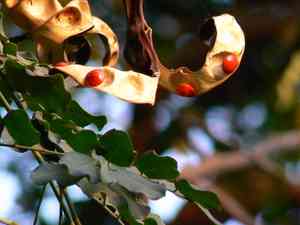
Red bead tree (Adenanthera pavonina)
Also known as: Coral wood, Circassian seed, Sandalwood tree, Red sandalwood tree
The Red bead tree (Adenanthera pavonina) is a deciduous species with various applications, such as providing forage for grazing animals. Despite its uses, it is considered an invasive species in regions like Jamaica, Cuba, and many Pacific islands. The tree tends to form dense thickets, which can overshadow and outcompete native plants, leading to a decrease in local biodiversity. This aggressive growth pattern has earned it a reputation as a problematic weed in these areas.
In This Article
Attributes of Red bead tree
Lifespan
Perennial
Plant Type
Tree
Plant Height
5 m to 20 m
Spread
10 m
Leaf Color
Green
Flower Size
2.5 cm
Flower Color
White Yellow Cream
Images of Red bead tree
Quickly Identify Red bead tree
1
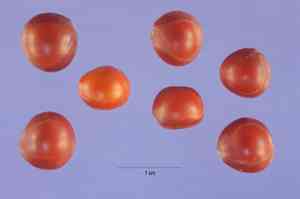
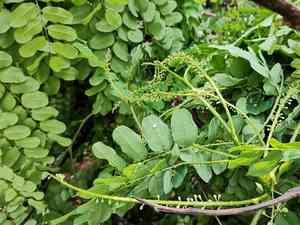
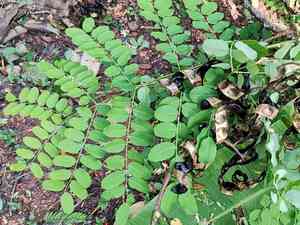
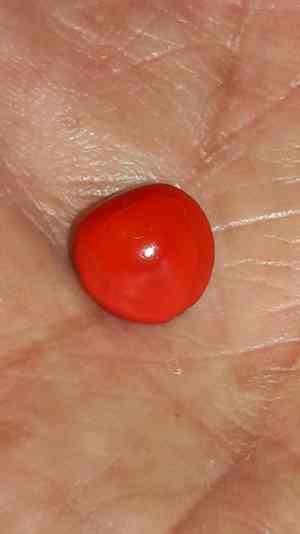
The tree can be identified by its pinnate leaves, small fragrant flowers, and distinctive bright red seeds. Its bark is greyish-brown and rough.
Scientific Classification of Red bead tree
Phylum
Vascular plants
Class
Dicotyledons
Order
Fabales
Family
Legume
Genus
Adenanthera
Species
Red bead tree
Planting and Growing of Red bead tree
Care Difficulty
Easy
Watering Schedule
Every 4 days
Sunlight Requirements
Full sun
Sunshine Duration
6-10 hours
Ideal Temperature
68-86℉
Soil Type
Potting Mix, Peat Mix
Soil pH
6.5-7.5
Fertilizer Type
Balanced
Pruning Season
Spring, Summer
Pruning Area
Branches, Leaves
Pruning Frequency
2 times a year
Repotting Season
Spring
Pot Type
Plastic, Ceramic
 How to Water Red bead tree?
Adenanthera pavonina requires a consistent watering routine that ensures the soil remains moist but not waterlogged. The plant should be watered thoroughly until water drains from the bottom of the pot. Using around 500 ml of water per session is advisable, but it's crucial to adjust depending on environmental conditions and pot size.
What are the symptoms of an underwatered Red bead tree?
›
What should I do if my Red bead tree is not getting enough water?
›
What are the symptoms of an overwatered Red bead tree?
›
How to save an overwatered Red bead tree?
›
 What Are the Sunlight Requirements for Red bead tree?
Adenanthera pavonina flourishes in half-day to full-day sunlight. Good light promotes vigorous growth and enhances its overall health and flowering capabilities.
More About Sunlight Requirements Techniques→
What is Adenanthera pavonina's ideal sunlight exposure?
›
How to achieve ideal lighting conditions for Adenanthera pavonina?
›
What are the benefits of ideal lighting for Adenanthera pavonina?
›
 What Is the Ideal Temperature Range for Red bead tree?
The ideal temperature range for Adenanthera pavonina is between 68°F and 86°F. This plant thrives in warm climates, and maintaining this temperature range is crucial for its growth and development. Providing consistent temperatures within this range supports optimal photosynthesis and keeps the plant healthy and vibrant.
 What Soil is Best for Red bead tree?
Adenanthera pavonina thrives in well-drained soils, preventing waterlogging which can lead to root rot. This requirement is crucial for the plant's health as it ensures adequate aeration around the roots, promoting stronger growth and healthier foliage. The plant prefers soils with moderate fertility to support robust growth without overwhelming it with nutrients. This balance helps in producing vibrant leaves and enhances the plant's resilience against pests and diseases. Incorporating organic matter into the soil improves its texture and water retention abilities, providing the plant with essential nutrients. This condition enriches the soil ecosystem, fostering beneficial microbial activity that further supports plant health.
 How to Fertilize Red bead tree?
For Adenanthera pavonina, use a balanced fertilizer containing equal parts of nitrogen, phosphorus, and potassium, with an N-P-K ratio of 10-10-10. Apply liquid fertilizer at a rate of 1 tablespoon per gallon of water, ensuring the soil is evenly moistened but not waterlogged.
 How to Prune Red bead tree?
Begin by removing any dead, damaged, or diseased branches. These branches can be identified by their brittle texture and lack of healthy leaves. Removing them helps prevent the spread of disease. Focus on creating a balanced canopy by cutting back any overly long or crossing branches. Aim for an open structure to enhance sunlight penetration and air circulation, ideally cutting just above a leaf node. Eliminate any suckers at the base of the tree or water sprouts growing vertically on the limbs. These shoots drain energy from the main plant and can lead to a cluttered appearance.
More About Pruning Techniques→
 How to Propagate Red bead tree plant?
1
Soak the Adenanthera pavonina seeds in warm water for 24 hours to soften the hard seed coat, which helps in better germination. Ensure the water remains warm throughout the soaking period by replacing it as necessary.
2
Select healthy stems from a mature Adenanthera pavonina plant. The ideal length for cuttings is about 10-15 cm. Make sure to cut just below a node to encourage rooting.
3
After soaking, plant the seeds in a seed tray filled with potting mix. Cover lightly with soil and keep the tray in a warm, sunny place. Ensure the soil remains moist but not waterlogged until germination occurs.
 How to Repot Red bead tree plant?
1
Adenanthera pavonina needs repotting when its roots start circling inside the pot, usually visible through drainage holes, or when it experiences stunted growth. Another sign is when water drains too quickly, indicating that the plant might be root-bound. Ensure repotting during its active growth seasons—spring or summer—for optimal recovery.
2
Select a pot that's about 2 inches larger in diameter than the current one. It should have adequate drainage holes to prevent water-logging. The material of the pot can influence moisture retention—clay pots dry out faster, which could be ideal if you're prone to over-watering. This balance is crucial as it prevents root rot while offering stability to the growing plant.
3
The ideal soil blend is loamy and well-draining to suit Adenanthera pavonina's needs. This mixture retains essential moisture without creating waterlogged conditions that could lead to root rot. The addition of perlite or sand enhances the aeration and drainage capabilities, crucial for healthy root development and overall plant vitality.
Toxicity
Ingestion of seeds
WARNING
The judgment on toxicity and danger is for reference only. We DO NOT GUARANTEE any accuracy of such judgment. Therefore, you SHALL NOT rely on such judgment. It is IMPORTANT TO SEEK PROFESSIONAL ADVICE in advance when necessary.
Learn More About Red bead tree Diseases
Anthracnose
Bacterial Leaf Spot
Bacterial Wilt
Crown Gall
Cyst Nematode
Damping-off
Downy Mildew
Drought Stress
Fusarium Wilt
Gray Mold
Leaf Curl
Leaf Spot
Mosaic
Nutrient Deficiency
Nutrient Toxicity
Powdery Mildew
Root Rot
Root-knot Nematode
Rusts
Sooty Mold
Spider Mites
Temperature Stress
Thrips Damage
White Mold



