The Red bead tree Plant Advantage: Maximizing Home and Office Appeal and Wellness
1
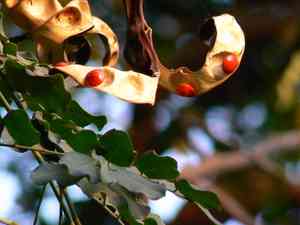
The red bead tree is recognized for its vivid crimson seeds, frequently utilized in crafting traditional adornments.
2
This particular plant variety offers diverse applications, such as in timber crafts and the creation of natural pigments.
3
The red bead tree contains antioxidant qualities that contribute to a range of wellness advantages.
What Are the Practical Uses of Red bead tree?
Jewelry Making
One of the most striking features of the Red bead tree is its vibrant red seeds, which are extensively used in traditional jewelry crafting. These seeds are frequently strung together to form colorful necklaces, bracelets, and earrings, especially in areas where the plant is native. Such items not only add a pop of color but also hold cultural and often symbolic significance.
Woodworking
The dense wood from the Red bead tree is highly prized for its robustness and attractive appearance. This timber is commonly employed in fine woodworking, including the creation of premium furniture and ornamental pieces. Its rich texture and ease of manipulation make it a favorite among artisans who craft everything from sculptures to musical instruments.
How Is Red bead tree Used in Natural Dye Production?
Dye Extraction Process
The seeds and seed pods of the Red bead tree contain pigments utilized for producing natural dyes. The dye extraction method involves steeping the plant components in water, sometimes with added substances like vinegar or salt to set the colors. The resulting dye can vary from yellow to red hues, depending on the specific plant parts and concentration used.
Applications in Fabric Dyeing
Natural dyes from the Red bead tree are favored for textile coloring due to their vivid and enduring shades. These dyes are incorporated into traditional fabrics, which often possess cultural importance. Contemporary crafters also value these natural dyes for their ecological benefits compared to synthetic alternatives.
What Are the Health Benefits of Red bead tree?
Antioxidant Properties
Research indicates that various parts of the Red bead tree exhibit antioxidant qualities, which help neutralize harmful free radicals within the body. These antioxidants can contribute to overall health and wellness by safeguarding cells from damage.
Nutritional Value
In certain cultures, the seeds of the Red bead tree are ground into a fine powder and used as a dietary supplement. This powder can be incorporated into foods or drinks, providing a boost of essential vitamins and minerals. However, it is crucial that the seeds are prepared correctly to eliminate any potential toxins.
How Is Red bead tree Cultivated and Harvested?
Optimal Growing Conditions
The Red bead tree flourishes in tropical and subtropical climates where it receives ample sunlight and moisture. The plant prefers well-draining soil and can be found growing naturally in forests, as well as in cultivated gardens. Appropriate spacing between plants ensures healthy development and prevents overcrowding.
Harvesting Techniques
Harvesting the Red bead tree involves collecting its seeds, pods, and wood at different times. The seeds are typically gathered when fully mature and have turned a bright red. Pods are harvested before they dry out and split, while the wood is obtained from mature trees that have completed their growth cycle.
What Are the Environmental Impacts of Red bead tree Cultivation?
Sustainability
The Red bead tree is often grown within agroforestry systems, which integrate tree cultivation with crops and livestock. This sustainable practice enhances biodiversity, improves soil quality, and reduces environmental degradation. By incorporating the Red bead tree into such systems, farmers can achieve economic and ecological advantages.
Carbon Sequestration
Trees like the Red bead tree play a vital role in absorbing carbon dioxide from the atmosphere, thereby mitigating climate change. The cultivation of this plant can contribute to lowering greenhouse gas levels and fostering a healthier planet.



