How to Overwinter Red bead tree
1
The Red bead tree lacks frost tolerance and needs safeguarding in colder seasons.
2
Appropriate mulching can insulate the ground and shield Red bead tree roots from freezing temperatures.
3
Bringing your Red bead tree indoors for winter requires managing moisture and illumination to replicate its native habitat.
Why Overwintering Is Crucial for Red bead tree
Why Overwintering Is Crucial for Red bead tree
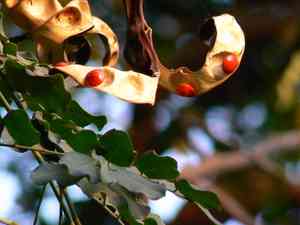
The Red bead tree (Adenanthera pavonina) is a beautiful ornamental tree known for its striking red seeds and abundant foliage. However, this tropical species is delicate and struggles in cold climates. Protecting it during winter is vital to ensure your Red bead tree survives the harsh cold months and flourishes in the next growing season. Without proper care, this tree can suffer from frost and low temperatures, leading to significant harm or even death.
Preparing Your Red bead tree for Overwintering
When to Start Preparation
Begin getting your Red bead tree ready for winter well before the first frost. Ideally, this process should commence in late autumn, around October or early November, depending on your local weather. This timeframe allows ample opportunity to prepare your plant and make any necessary adjustments without haste.
Necessary Supplies
You will require specific materials to successfully protect your Red bead tree through winter. These include burlap or frost cloth for covering, insulating mulch, and beneficial soil amendments like compost. For trees moved indoors, consider using humidity trays, grow lights, and a hygrometer to accurately monitor conditions.
Health Check and Pruning
Perform a thorough health inspection of your Red bead tree to confirm it is free from diseases or pests. Trim any dead or damaged branches to prevent additional stress on the tree. This ensures the plant is in the best possible state before enduring the challenging winter period.
Indoor Overwintering Techniques
Choosing the Right Location
If you opt to bring your Red bead tree indoors, select a spot that receives abundant sunlight, ideally a south-facing window. The tree requires a bright, well-lit environment to mimic its native tropical regions.
Controlling Indoor Climate
Maintaining the correct indoor climate is essential. Position your tree away from drafts, heating vents, and areas with sudden temperature changes. Aim for a temperature range between 18°C to 24°C (64°F to 75°F). Use a humidifier if needed to keep humidity levels around 50-60%.
Monitoring and Adjusting Conditions
Regularly observe the tree's surroundings. Use a hygrometer to measure humidity and a thermometer for temperature. Adjust light exposure with grow lights if natural sunlight is insufficient. Consistent monitoring helps in making timely modifications to prevent any negative impacts on the tree.
Outdoor Overwintering Techniques
Using Protective Covers
If you decide to keep your Red bead tree outdoors, use protective coverings such as burlap or frost cloth to shield it from frost. Secure the covers to prevent them from being blown away by winter winds.
Soil Insulation Methods
Insulate the soil around the tree by applying a thick layer of mulch. This helps retain soil warmth and prevents the roots from freezing. A 5-10 cm (2-4 inch) layer of organic mulch like wood chips or straw works effectively.
Mulching Around the Base
Applying mulch around the base of your Red bead tree can significantly reduce root exposure to freezing temperatures. Ensure the mulch is spread evenly and does not directly touch the tree trunk to prevent rot.
Monitoring Your Red bead tree During Winter
Signs of Distress
Check your Red bead tree frequently for indications of stress such as wilting, yellowing leaves, or stem damage. Early detection of these symptoms allows for prompt action to correct any issues.
Watering Needs
Your Red bead tree needs less water during winter, but do not let the soil become completely dry. Water sparingly, keeping the soil slightly moist but not waterlogged. Overwatering can lead to root rot during the colder months.
Adjusting Light and Humidity
Ensure that the tree receives adequate light, especially if it's kept indoors. Natural light may decrease during winter, so supplementary grow lights might be necessary. Humidity levels should also be monitored and maintained using a humidifier if required.
Post-Winter Care for Your Red bead tree
Gradual Reintroduction to Outdoor Environment
As spring approaches, slowly acclimate your Red bead tree to the outdoor environment. Start by placing it outside during the warmer daytime hours and bringing it back indoors at night. This phased approach helps the tree adjust without shock.
Spring Pruning and Fertilizing
Prune any winter-damaged branches once the risk of frost has passed. Use a balanced fertilizer to stimulate new growth in spring, following the recommended dosage to avoid over-fertilization.
Routine Health Checks
Continue to perform regular health inspections. Look for any lingering effects of winter stress and address them promptly. Proper post-winter care establishes a strong foundation for your Red bead tree's healthy growth for the remainder of the year.



