How to Propagate Red bead tree?
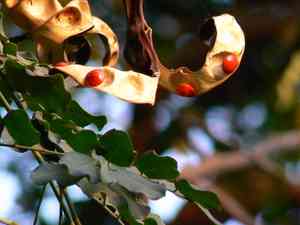
Originating from tropical climates, the red bead tree is a vivid decorative tree recognized for its prominent crimson seeds. Reproduction is most effective via cuttings, which ought to be harvested from robust, fully grown trees. Cuttings necessitate a warm, damp setting to encourage root formation; consequently, they should be planted in adequately draining soil and kept hydrated. Employing rooting stimulant can boost the effectiveness of rooting. After becoming established, the red bead tree needs little propagation attention, adjusting readily to diverse soil varieties but flourishing optimally in fertile, loamy mixtures.
Optimal Time for Red Bead Tree Propagation
Propagation Method
Cutting
Propagation Period
Autumn,Winter
Tools for Red Bead Tree Propagation
Sharp Pruning Shears
These are vital for making clean, precise cuts on red bead tree stem cuttings. Sharp blades prevent tissue damage, reducing infection risk and promoting healthier root development. Non-serrated blades ensure smooth, uncrushed cuttings, crucial for successful red bead tree propagation.
Rooting Hormone Powder
This product encourages root formation from red bead tree stem cuttings. Applying rooting hormone to the cut end before planting promotes faster root initiation and a higher propagation success rate. It mimics natural plant growth substances, stimulating root development essential for strong establishment after transplanting.
Sterile Potting Mix
A sterile potting mix is recommended to provide a disease-free environment for new red bead tree cuttings. This mix should be light, well-draining, yet able to retain sufficient moisture for initial growth. Sterility is crucial to prevent pathogens from harming vulnerable cuttings.
Propagation Tray
Designed to hold multiple cuttings efficiently, a propagation tray optimizes space and resources during red bead tree propagation. These trays often have drainage holes and can be used with a humidity dome to maintain ideal moisture, vital for the initial rooting stages.
Heat Mat
For red bead tree, consistent bottom heat significantly improves rooting success for stem cuttings. A heat mat maintains this steady temperature, especially in cooler conditions. This warmth supports enzymatic activities crucial for root development, fostering a supportive environment for new cuttings to thrive.
How to Propagate Red Bead Tree?
Propagation Type
Moderately Difficult
Caring for Your Newly Propagated Red Bead Tree
Caring for Your Newly Propagated Red Bead Tree
Once red bead tree cuttings have rooted, gradually acclimate them to ambient conditions by removing the humidity cover for longer periods. When sturdy, transplant them into larger pots or directly into the ground. Provide red bead tree with regular watering, keeping the soil moist but not waterlogged. Place them in full to partial sunlight and shield them from strong winds. Fertilize red bead tree with a balanced fertilizer as per instructions to support healthy growth.
Common Errors to Avoid When Propagating Red Bead Tree
Poor seed preparation
Failing to properly prepare red bead tree seeds is a common error. The hard, impermeable seed coat hinders water absorption, essential for germination. Inadequate preparation can lead to poor or failed germination.
Incorrect soil medium
Red bead tree requires well-draining soil for successful propagation. Using a heavy, clay-rich medium can cause waterlogging, leading to root rot and negatively impacting seedling growth.
Overwatering
While red bead tree seedlings need consistent moisture, overwatering is a significant mistake. It can cause damping-off disease, a fungal issue detrimental to seedling survival.
Planting depth
Seeds planted too deeply may struggle to emerge. Conversely, shallowly planted seeds can desiccate or fail to establish properly, resulting in weak growth or seedling death.
Ignoring cleanliness
Using contaminated pots or tools without sterilization can introduce pathogens to red bead tree. This oversight can lead to plant diseases that compromise the health and vigor of the propagules.
Tips For Propagating Red Bead Tree
Seed scarification
To boost germination rates, scarify red bead tree seeds by gently nicking the seed coat or soaking them in warm water overnight. This process breaks dormancy by allowing moisture to penetrate the seed.
Soil composition
Ensure a light, well-drained soil mix for red bead tree propagation. A blend of sand, compost, and loamy soil aids root development and aeration.
Moisture balance
Maintain consistent soil moisture without overwatering. Use a fine mist to water seeds and seedlings, keeping the medium evenly moist but not soggy.
Appropriate depth
Sow red bead tree seeds at an optimal depth, typically around 1 to 2 centimeters. This allows for proper root anchorage and seedling emergence.
Sanitation practices
Sterilize pots and tools before use to prevent disease introduction to red bead tree. This ensures a healthy start for seedlings and reduces propagation failures.



