Enhancing Your Garden Design with the Red bead tree Plant: A Landscaping Guide
1
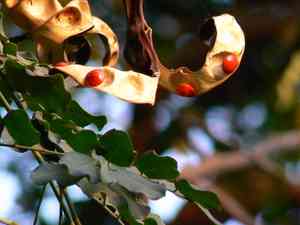
The Red bead tree enhances visual appeal with its vivid red seeds and abundant leaves.
2
Selecting an appropriate site for the Red bead tree guarantees its best development and lifespan.
3
Pairing the Red bead tree with suitable companion plants results in a balanced and lively garden setting.
Introducing Red Bead Tree in Garden Design
Red Bead Tree's Visual Appeal Overview
To elevate your outdoor space, the Red bead tree offers distinct visual charm. This plant is renowned for its striking crimson seeds, which inject vivid color into any garden. Coupled with its rich, green leaves, the Red bead tree forms a lively contrast, serving as a prominent visual element in your landscape. Whether in a tropical or classic garden, the Red bead tree is adaptable, bringing an exotic touch to your exterior.
Advantages of Incorporating Red Bead Tree in Landscape Plans
Adding the Red bead tree to your landscape plan provides numerous benefits beyond its beauty. First, it requires relatively little upkeep, making it ideal for gardeners of all skill levels. Furthermore, the Red bead tree offers a natural habitat for local wildlife, attracting birds and beneficial insects. Its extensive root system aids in soil stabilization, particularly useful for preventing erosion on sloped garden areas. Additionally, the Red bead tree can provide shade and act as a windbreak, creating a microclimate beneficial to nearby plants.
Selecting the Ideal Spot for Red Bead Tree
Assessing Light and Shade Requirements
Finding the optimal location for your Red bead tree is vital for its health and development. The Red bead tree thrives in areas receiving direct sunlight for at least six to eight hours daily. However, it can also tolerate partial shade, making it versatile for various garden settings. Observing your garden's light patterns will help you choose a spot where the Red bead tree can get sufficient light for robust growth.
Soil Considerations for Peak Growth
Soil quality is another critical factor for the Red bead tree's healthy development. This plant prefers well-draining soil rich in organic matter. If your soil is heavy clay, consider amending it with compost or organic material to improve its structure and drainage. A slightly acidic to neutral soil pH is perfect for the Red bead tree, so testing your soil and making necessary adjustments can yield better outcomes.
Space Needs for a Mature Red Bead Tree
Planning for the Red bead tree's future growth is essential for maintaining your landscape's beauty and function. The Red bead tree can grow quite large, with a broad canopy that demands ample space. Ensuring enough room for the mature plant will prevent overcrowding and competition with adjacent plants. Ideally, the Red bead tree should be planted at least 10-15 feet from other large plants or structures to allow its roots and branches to spread adequately.
Pairing Red Bead Tree with Other Flora
Companion Plants that Flourish with Red Bead Tree
Creating a cohesive garden design involves choosing compatible plants that thrive alongside the Red bead tree. Consider pairing it with plants that share similar light and soil needs. Ornamentals such as hibiscus, bromeliads, and ferns can create a lush, tropical ambiance when combined with the Red bead tree. Additionally, native plants and groundcovers can enhance visual appeal while boosting biodiversity in your garden.
Design Advice for Creating Harmonious Plant Groupings
To achieve a unified and visually pleasing landscape, it's important to group your plants thoughtfully. Use the Red bead tree as a central element and arrange layers of plants around it, varying in height, color, and texture. This layering technique not only adds depth to your garden but also ensures each plant has sufficient space and resources to flourish. Consider using companion planting principles to foster beneficial interactions between the Red bead tree and surrounding plants, which can aid in pest control and nutrient sharing.
Seasonal Care for Red Bead Tree
Seasonal Changes and Their Effects on Red Bead Tree
Understanding how the Red bead tree reacts to seasonal shifts can help you manage its care throughout the year. In spring and summer, the Red bead tree experiences rapid growth and may need consistent watering and feeding. Autumn brings a gradual slowing of growth, making it an ideal time to prune and prepare the plant for winter. While the Red bead tree is quite resilient, protecting it during extreme cold or frost can prevent damage and ensure its year-round health.
Preparations for Sustained Year-Round Health
To keep the Red bead tree healthy all year, it's crucial to maintain a regular care routine. Regularly inspect for pests and diseases, and act quickly if any issues arise. Seasonal pruning helps maintain its form and encourages new growth, while mulching around the base can retain moisture and regulate soil temperature. Fertilize the Red bead tree according to its growth cycle, using a balanced fertilizer to support strong development and vibrant foliage.
Creative Uses for Red Bead Tree in Landscape Features
Establishing Focal Points with Red Bead Tree
The Red bead tree can serve as a captivating focal point in your garden, drawing attention and adding a dramatic element to the landscape. Plant the Red bead tree in a prominent spot, such as near a seating area or garden entrance, where its vibrant appearance can be fully appreciated. Use garden lighting to illuminate the Red bead tree in the evening, creating a stunning visual effect and extending your garden's enjoyment into the night.
Integrating Red Bead Tree into Hardscape Elements
For a more innovative approach, consider incorporating the Red bead tree into your garden's hardscape features. It can be planted alongside paths, patios, or water features, blending the plant's natural beauty with the structural elements of your landscape. The Red bead tree's roots can also help stabilize soil around retaining walls or slopes, making it both a functional and aesthetic addition to your garden design. Using the Red bead tree in harmony with materials like stone, wood, or metal can create a balanced and unified look.



