How to Prune Red bead tree?
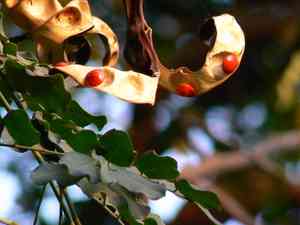
Originating from tropical zones, the resilient red bead tree is recognized for its decorative crimson seeds and abundant foliage. Effective trimming involves reducing crowded branches and eliminating lifeless or ailing wood to foster air movement. Formative pruning can be achieved by shortening elongated branches. The dormant season of winter presents the perfect opportunity for pruning to stimulate development in spring. Consistent pruning sustains the tree's well-being, prevents excessive expansion, and improves its visual appeal, though care must be taken to prevent over-pruning, which could impede blooming.
What Are the Benefits of Pruning Red Bead Tree?
What Are the Benefits of Pruning Red Bead Tree?
Trimming red bead tree encourages strong development and maintains its desired shape. Strategic cutting back revitalizes the plant, promoting denser leaves and a neater outline, crucial for garden beauty and plant vitality.
What Is the Best Time for Pruning Red Bead Tree?
What Is the Best Time for Pruning Red Bead Tree?
Pruning during the dry season or late winter, prior to the spring growth surge, allows red bead tree to recover from cuts without the high sap flow stress common in warmer months. This timing also reduces fungal infection risk, which is lower in dry or cold conditions. It also ensures pruning doesn't disrupt flowering or fruiting, which typically occur after late winter. Thus, by pruning red bead tree within this recommended period, gardeners foster healthier and more vigorous growth in the subsequent season.
What Tools Do I Need to Prune Red Bead Tree?
Hand Pruners
Effective for cutting small branches and twigs of red bead tree, ensuring precision and preventing damage to the delicate branches.
Loppers
Best suited for reaching higher or deeper branches of red bead tree that are too thick for hand pruners but still within the capacity of loppers, typically up to 2 inches in thickness.
Pruning Saw
Essential for trimming larger branches of red bead tree, with a blade designed to cut through thick wood without causing splitting or tearing.
Pole Pruner
Ideal for the higher branches of red bead tree that cannot be safely reached with a ladder, allowing for long reach and cutting capability.
Gardening Gloves
Important for protecting the gardener's hands from thorns or rough bark while pruning red bead tree.
Pruning Shears
Useful for shaping and maintaining the denser foliage of red bead tree, offering more precise cuts for aesthetic purposes.
How to Prune Red Bead Tree
Sterilize Tools
Before starting, ensure all pruning tools are clean and sterilized to prevent disease spread to red bead tree.
Safety Gear
Wear appropriate safety gear, such as gloves and safety glasses, to protect yourself from thorns and debris from red bead tree.
Remove Dead Branches
Carefully cut away dead branches from red bead tree at their point of origin or back to a main branch, making clean cuts without tearing the bark to encourage proper healing.
Eliminate Diseased Branches
Identify and promptly remove any diseased branches from red bead tree to prevent further infection. Make the cuts well below the affected areas, ideally into healthy tissue, and dispose of them properly.
Clean Up
After pruning red bead tree, clean the area of debris and fallen branches to reduce the risk of pests and disease, and ensure tools are sterilized again before storage.
Common Pruning Mistakes with Red Bead Tree
Over-Pruning
Removing too much foliage at once can stress red bead tree, leading to reduced vigor and an increased vulnerability to pests and diseases.
Improper Cuts
Red bead tree can suffer from improper pruning techniques such as tearing the bark, leaving stubs, or cutting too close to the main stem, which can cause wounds that are susceptible to infections.
Pruning Without A Plan
Random or excessive cutting without understanding the growth pattern of red bead tree can result in an undesirable shape and may hinder its growth and flowering.
Ignoring Diseased Or Damaged Branches
Failing to remove unhealthy branches can compromise the overall health of red bead tree, as diseases and pests can spread from affected areas to healthier ones.
Using Dirty Tools
Pruning with unclean or rusty tools can introduce pathogens to the fresh cuts on red bead tree, increasing the risk of disease.
Common Pruning Tips for Red Bead Tree
Selective Thinning
Remove only the necessary branches to enhance light penetration and air circulation. Favor thinning over topping to maintain the natural structure of red bead tree.
Clean Cuts
Make sure to use sharp, clean pruning tools to make precise cuts that promote quicker healing and reduce the risk of disease in red bead tree.
Health And Safety First
Prioritize the removal of dead, diseased, or damaged branches to improve the health and aesthetic of red bead tree.
Cut At The Right Place
When shortening branches, cut just above a leaf node or bud that is facing the direction you want new growth to go, ensuring red bead tree develops a pleasing shape.
Protect The Tree'S Energy Reserves
Understand that red bead tree stores energy in its branches and foliage, so prune conservatively to avoid depleting its resources.



