The Hidden Danger in Your Home? Unmasking the Toxicity of the Spring snowflake Plant.
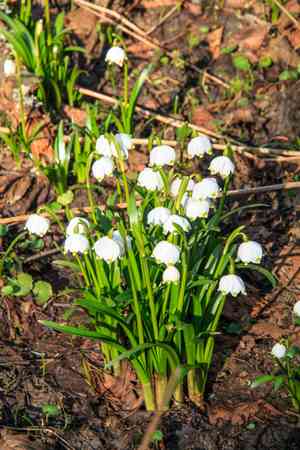
1
Ingesting spring snowflake presents a significant toxicity hazard to humans, leading to symptoms such as intense nausea, emesis, and loose stools.
2
The bulb and seeds of spring snowflake are especially dangerous for felines, requiring prompt veterinary care if consumed.
3
Canines consuming spring snowflake might exhibit severe signs including stomach discomfort, sluggishness, involuntary shaking, or convulsions.
Is Spring snowflake toxic to humans?
Spring snowflake presents a significant toxicity hazard to people if consumed. The plant's bulb and seeds are especially dangerous, containing powerful substances that can result in severe poisoning. When eaten, these components can trigger various acute symptoms, including but not limited to intense digestive upset, such as extreme nausea, emesis, and loose stools. Furthermore, individuals might experience neurological signs like lightheadedness, headaches, and in dire situations, convulsions or altered consciousness. The intensity of these symptoms highlights the necessity of preventing unintentional intake of spring snowflake's poisonous sections, particularly by children and animals who are most susceptible to such poisoning events.
Is Spring snowflake toxic to cat?
Spring snowflake presents a high toxicity danger to felines. If consumed unintentionally, the bulb and seed are the harmful components that can cause illness. A cat that has eaten spring snowflake may suffer considerable physical discomfort and sickness, necessitating prompt veterinary care. Upon suspecting spring snowflake ingestion, it is vital to quickly seek treatment at an animal hospital to safeguard the cat's well-being and health.
Is Spring snowflake toxic to dog?
Spring snowflake poses a serious danger to canines if consumed. Dogs can inadvertently ingest parts of the plant, specifically the bulb and seed, which are known to be poisonous. Following ingestion, a dog might display signs such as vomiting, diarrhea, stomach discomfort, sluggishness, and more severe indications like tremors or seizures due to the elevated toxicity of spring snowflake. It is essential for dog guardians to supervise their pets closely and restrict access to this plant. In cases of suspected poisoning, immediate veterinary attention is critical to manage the symptoms and administer suitable treatment.



