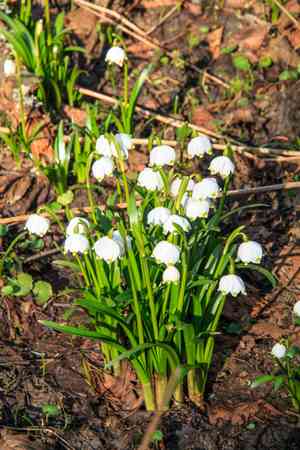
Spring snowflake (Leucojum vernum)
Also known as: Spring Snowflake
The Spring snowflake (Leucojum vernum) is a perennial bulb native to Central and Eastern Europe and has been introduced to other regions, including North America. It flourishes in moist soils and can grow in both full sun and partial shade. The plant is notable for its drooping, bell-shaped white flowers, each petal adorned with a green or yellow spot. Its narrow, strap-like leaves accompany the blooms. It is important to note that the leaves and bulbs contain toxic alkaloids and are not safe for consumption.
Attributes of Spring snowflake
Images of Spring snowflake
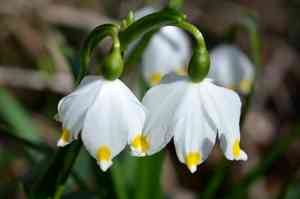
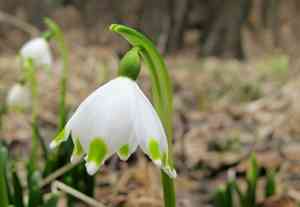
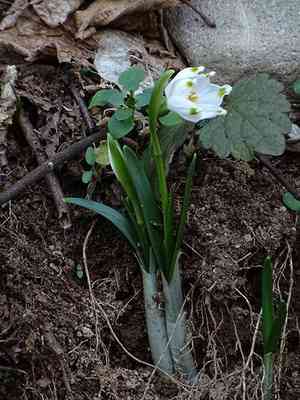
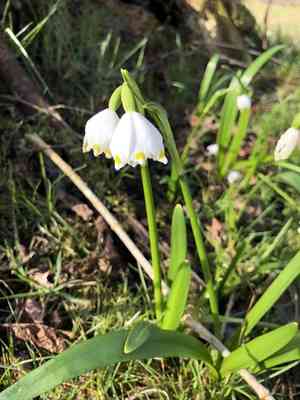
Quickly Identify Spring snowflake
Scientific Classification of Spring snowflake
Planting and Growing of Spring snowflake
 How to Water Spring snowflake?
 What Are the Sunlight Requirements for Spring snowflake?
 What Is the Ideal Temperature Range for Spring snowflake?
 What Soil is Best for Spring snowflake?
 How to Fertilize Spring snowflake?
 How to Prune Spring snowflake?
 How to Propagate Spring snowflake plant?
 How to Repot Spring snowflake plant?
Toxicity of Spring snowflake
Is Spring snowflake toxic to humans?
The spring snowflake presents a significant threat of toxicity to humans if ingested. The bulb and seeds of this plant are especially dangerous, as they contain powerful compounds capable of causing severe poisoning. Consumption of these parts can result in a variety of acute symptoms, which include, but are not limited to, severe gastrointestinal distress, such as intense nausea, vomiting, and diarrhea. Furthermore, affected individuals may suffer from neurological symptoms like dizziness, headaches, and in severe cases, seizures or altered mental status. The gravity of these symptoms highlights the critical need to prevent accidental ingestion of the toxic components of the spring snowflake, particularly by children and pets who are most susceptible to such poisoning events.
Is Spring snowflake toxic to cat?
The spring snowflake presents a serious toxicity threat to felines. If a cat inadvertently ingests the plant, the bulb and seeds are the toxic components responsible for potential harm. A cat that has eaten spring snowflake may endure considerable physical discomfort and illness, necessitating urgent veterinary care. If there is any suspicion of spring snowflake ingestion, it is essential to quickly obtain treatment at a veterinary clinic to safeguard the cat’s health and well-being.
Is Spring snowflake toxic to dog?
The spring snowflake presents a significant threat to dogs if they consume any part of it. Dogs might inadvertently ingest sections of the plant, especially the bulb and seeds, which are known to contain toxic compounds. Following ingestion, a dog may show various symptoms including vomiting, diarrhea, abdominal discomfort, lethargy, and in more critical cases, signs such as tremors or seizures, reflecting the plant's high toxicity level. It is essential for dog owners to keep a close watch on their pets and restrict their access to this plant. Should poisoning be suspected, seeking prompt veterinary attention is vital to address the symptoms and ensure proper treatment.



