The Spring snowflake Plant Advantage: Maximizing Home and Office Appeal and Wellness
1
Flourishes in damp, forested settings, ideal for shaded outdoor spaces.
2
Offers early spring sustenance for beneficial insects, aiding local ecosystems.
3
Successfully spreads naturally in appropriate conditions, lessening the demand for rigorous cultivation.
What Makes Spring snowflake Unique?
Distinctive Appearance
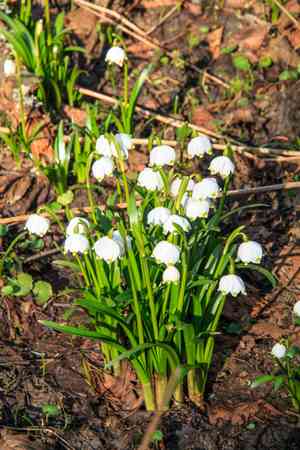
Spring snowflake is known for its drooping white blossoms featuring subtle green markings at the tips. This plant typically reaches a height of 20-30 cm and blooms in early spring, signaling winter's end with its beautiful display.
Growth and Habitat
Spring snowflake flourishes in damp, shaded areas, particularly in forests, meadows, and along riverbanks. Its preference for moist soil makes it an excellent option for moisture-retentive spots, offering a low-maintenance ground cover.
Naturalization Potential
Spring snowflake possesses a remarkable ability to naturalize, meaning it can spread and establish itself in suitable environments without significant human intervention. This characteristic makes it ideal for wildlife gardens and naturalistic planting schemes, promoting ecological sustainability.
Ecological Benefits of Spring snowflake
Supporting Pollinators
Early-blooming plants like Spring snowflake are crucial for supporting early spring pollinators such as bees and butterflies. These insects depend on the nectar and pollen provided by Spring snowflake when other flowers are not yet in bloom, sustaining local biodiversity.
Soil Conservation
Spring snowflake's extensive root system aids in stabilizing the soil, preventing erosion, especially in areas prone to water runoff. By planting Spring snowflake in vulnerable locations, you can protect your garden landscape and overall soil health.
Hydrological Benefits
The plant's need for moist conditions helps regulate groundwater levels. Where it grows, Spring snowflake can indicate healthy, moisture-rich soil, contributing to the local hydrological balance.
Aesthetic and Functional Gardening
Landscaping with Spring snowflake
Spring snowflake integrates seamlessly into various garden styles, from formal designs to wildflower meadows. Its elegant flowers add a touch of natural grace to rock gardens, borders, and shaded pathways.
Low Maintenance Appeal
Once established, Spring snowflake demands minimal care. It can endure neglect and thrive in the same location year after year, making it a suitable choice for gardeners seeking low-maintenance yet attractive plants.
Companion Planting
Spring snowflake pairs well with other woodland plants like ferns and hostas, creating a lush, multi-layered effect. Its early bloom time ensures it won't compete for visual attention with later-flowering perennials, providing continuous interest throughout the growing season.
Practical Tips for Growing Spring snowflake
Ideal Planting Conditions
For optimal results, plant Spring snowflake bulbs in the fall in well-drained soil rich in organic matter. Select a location that mimics its natural habitat â moist and partially shaded. Water the bulbs thoroughly after planting to aid establishment.
Care and Maintenance
Spring snowflake requires minimal intervention once it's settled. Water during dry periods, especially during the growing season, and apply a layer of mulch to help retain soil moisture. Divide overcrowded clumps every few years to maintain plant vigor and prevent disease.



