How to Prune Spring snowflake?
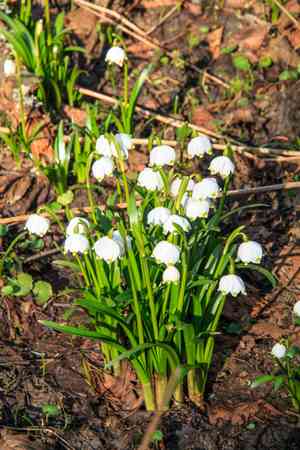
This geophytic perennial, recognized for its drooping white blossoms, generally flowers from late winter into spring. Leucojum vernum requires minimal trimming; deadhead faded blooms post-flowering to encourage foliage development and inhibit seed production. Only cut back the leaves once they have naturally withered in summer to guarantee nutrient replenishment for the bulbs. Trimming should occur in late spring or summer, never in autumn, as this could impede the formation of new flowers. This practice aids Leucojum vernum by fostering vigorous growth for the subsequent year.
What Are the Benefits of Pruning Spring Snowflake?
What Are the Benefits of Pruning Spring Snowflake?
Trimming spring snowflake encourages more abundant blossoms, stimulates robust development, and helps maintain the plant's desired form. Strategic cuts foster healthy growth, enhancing its visual appeal in the garden.
What Is the Best Time for Pruning Spring Snowflake?
What Is the Best Time for Pruning Spring Snowflake?
Pruning of spring snowflake should occur after its blooming period, typically from late winter to early spring. Late Spring pruning allows for the removal of faded flowers, ensuring the plant's energy is directed towards growth rather than seed production. Summer offers another chance to shape spring snowflake and manage its size, as the plant is actively growing then. Additionally, pruning during these seasons aligns with the plant's dormant cycle and helps prevent disease entry through cuts, which could be more problematic in the wetter, cooler fall season. Trimming in Fall is not advised as new cuts might not heal before the cold sets in, potentially harming spring snowflake's health.
What Tools Do I Need to Prune Spring Snowflake?
Hand Pruners
Hand pruners are the essential tool for most trimming tasks. For spring snowflake, a delicate bulbous flower, sharp bypass hand pruners are suitable for cutting back spent flower stalks and any yellow or dead foliage. Bypass pruners create a clean, precise cut, promoting healthy regrowth and minimizing the risk of plant damage or disease.
Garden Scissors
Garden scissors are perfect for precise trimming and deadheading spring snowflake. Their smaller size and control allow for accurate snips without disturbing surrounding foliage or flowers.
Pruning Shears
For thicker stems or clumps that may form as spring snowflake matures, a sturdy pair of pruning shears can be used. These shears are appropriate for cutting back multiple stems at once after flowering. The tool should be used carefully to avoid excessive damage to bulb and root areas.
How to Prune Spring Snowflake
Clean tools
Before pruning spring snowflake, ensure your pruning tools are clean and sharp to prevent disease spread and to make clean cuts.
Remove diseased leaves
Carefully remove any diseased leaves from spring snowflake by cutting them at their base where they meet the stem to prevent infection spread.
Trim withered leaves
Trim away withered leaves from spring snowflake by cutting them cleanly at the base of the leaf stem to maintain a healthy appearance and encourage new growth.
Deadhead flowers
Deadhead withered flowers on spring snowflake by snipping them off just above the base of the flower stem to promote further blooming and prevent self-seeding if desired.
Disinfect tools
After pruning spring snowflake, disinfect your tools again to reduce the risk of spreading pathogens to other plants.
Common Pruning Mistakes with Spring Snowflake
Over pruning
Removing too much foliage from spring snowflake can shock the plant, potentially leading to poor growth or reduced flowering the following season. Spring snowflake benefits from a lighter touch.
Cutting flowering stems
Pruning spring snowflake's stems too soon after flowering can remove developing seed pods that might be important for natural propagation and can also diminish the plant's vigor.
Improper tool use
Using dull or dirty cutting tools can damage spring snowflake's delicate stems, making them more susceptible to diseases and pests.
Pruning active growth
Cutting back spring snowflake during its active growth phase can interrupt its natural growth cycle and impact its ability to store energy for the next blooming period.
Common Pruning Tips for Spring Snowflake
Deadheading
After flowering, remove only the spent flowers of spring snowflake to maintain a tidy appearance and prevent unwanted self-seeding, if that's a concern.
Disinfect tools
Sterilize pruning tools before use to reduce the risk of spreading diseases to spring snowflake.
Correct timing
Spring snowflake should generally be pruned after it has completed its flowering cycle and the leaves have turned yellow, indicating that the plant has gone dormant.
Gentle pruning
When pruning spring snowflake, cut back no more than one-third of the foliage if it is necessary due to damage or disease. Healthy growth should typically be left intact.



