How Much Sunlight Do Spring snowflake Need?
1
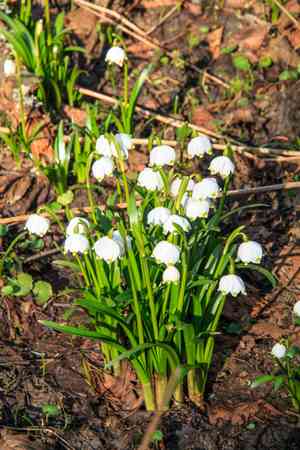
Spring snowflake flourishes in conditions ranging from dappled light to direct sunlight, favoring a mix.
2
Confirm the substrate remains damp since Spring snowflake may wilt when exposed to strong solar rays.
3
Foliage turning yellow might signal excessive light exposure.
Optimal Light Conditions for Spring snowflake
Partial Shade
The Spring snowflake plant demonstrates notable resilience and thrives well in partial shade. This implies it will receive diffused or indirect solar exposure for a good portion of the day. Consider areas where the plant will experience relief from intense afternoon sun, such as beneath a larger tree's canopy or beside a structure that blocks direct rays. Partial shade aids in developing robust blooms while mitigating risks of leaf scorch and moisture loss.
Full Sun
Spring snowflake is also capable of flourishing in full sun environments. This is common in moderate climates where sunlight isn't excessively harsh. Full sun locations provide a minimum of 6 hours of direct solar exposure daily. When cultivating in full sun, ensure the Spring snowflake is adequately hydrated. Soil moisture becomes critical as intense direct sunlight can rapidly deplete water content.
Dappled Light
Dappled light presents another excellent illumination condition for Spring snowflake. This scenario emulates the plant's natural woodland habitat, where sunlight filters through the foliage of taller trees, creating a speckled pattern of light and shadow. Such positions allow for consistent yet gentle sun exposure, vital for proper flower development without imposing significant stress on the plant.
Consequences of Excessive Sunlight on Spring snowflake
Leaf Burn
A primary issue with too much sunlight is leaf burn. This problem occurs when the delicate leaves of the Spring snowflake are exposed to an overabundance of direct sun, leading to scorching. Burnt foliage frequently turns brown along the edges and may curl, displaying clear signs of distress. To prevent leaf burn, consider placing the plant where it gets morning sun and afternoon shade, or utilize a shade cloth during peak sunny hours.
Dehydration
Another significant problem arising from excessive sun is dehydration. When Spring snowflake is subjected to substantial direct sunlight, it loses water more rapidly. Dehydration can result in wilting and overall poor plant vitality. Ensure the soil around the plant remains consistently moist (but not waterlogged) through frequent irrigation, especially during warm weather.
Recognizing Sun Stress in Spring snowflake
Yellowing Foliage
Yellowing leaves are an early indication of sun stress in Spring snowflake. When the plant receives more sunlight than it can comfortably endure, chlorophyll production diminishes, leading to the leaves turning yellow. This symptom may appear as patches or affect entire leaves. If you observe yellowing, it signals a need to move the plant to a shadier location or adjust its watering routine to alleviate stress.
Wilting
Wilting is another prevalent sign of sun stress. Despite receiving sufficient water, a Spring snowflake exposed to excessive sunlight might appear limp and lack vigor. Wilting under these circumstances suggests the plant is struggling to cope with the heat and is losing moisture faster than it can absorb it. Relocating the plant to a spot with partial shade or filtered sunlight can help mitigate this stress.
Optimal Garden Placement for Spring snowflake
Under Trees
Positioning Spring snowflake beneath trees is an excellent approach, as this mimics its native environment. Trees provide natural partial shade and dappled light conditions, making them ideal companions. The filtered sunlight through the tree canopy ensures the plant receives adequate light without being scorched by direct sun.
Near Taller Plants
Spring snowflake also benefits from being situated close to taller garden plants. These plants can serve as natural sun blockers during the warmest parts of the day, offering essential shade. Examples include placing Spring snowflake near taller shrubs or perennials that can provide some sun relief while simultaneously contributing to a layered and aesthetically pleasing garden design.
Frequently Asked Questions Regarding Spring snowflake's Sunlight Requirements
Can Spring snowflake Thrive Indoors?
Yes, Spring snowflake can be cultivated indoors, but it requires specific conditions to prosper. Indoor Spring snowflake should be positioned where it receives ample indirect sunlight. An east or west-facing window is optimal to ensure it gets bright light without harsh midday sun. Additionally, indoor humidity levels should be maintained to prevent the soil from drying out too quickly.
How Do Seasonal Shifts Impact Sunlight Needs?
Spring snowflake's sunlight requirements change with the seasons. During spring and early summer, the plant benefits from bright, indirect light to support its growth and blooming phase. As seasons transition to late summer and fall, the intensity and duration of sunlight naturally decrease, which aligns well with the plant's reduced light and moisture demands. Adjust watering and monitor light exposure to ensure the plant's continued health throughout the year.



