How Much Sunlight Do Wingleaf soapberry Need?
1
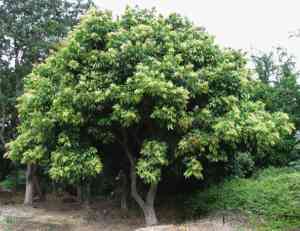
Wingleaf soapberry flourishes optimally when receiving more than 6 hours of direct solar exposure each day.
2
Insufficient light levels may impede the development and vitality of Wingleaf soapberry.
3
Varying its location depending on the season can guarantee consistent, ideal sun exposure all year round.
The Significance of Sunlight for Wingleaf Soapberry
Photosynthesis and Energy Generation
Sunlight is fundamental to the photosynthetic process, through which Wingleaf soapberry transforms luminous energy into chemical energy. This mechanism is crucial for generating glucose, which fuels the plant's development and overall well-being. Without sufficient sun exposure, photosynthesis becomes less efficient, depleting the plant's energy reserves.
Sunlight's Contribution to Plant Development and Vigor
Sunlight serves not merely as illumination but also as a key component for Wingleaf soapberry's growth and vitality. Appropriate sun exposure aids in cultivating robust stems, vibrant foliage, and prolific blooms. It also fortifies the plant's defenses, making it more resilient against pests and diseases.
Wingleaf Soapberry's Sunlight Requirements
Optimal Daily Sun Exposure
Wingleaf soapberry thrives best when it receives a minimum of 6 to 8 hours of direct sunlight each day. This duration is perfect for sustaining its long-term development and health.
Ideal Lighting Environment
The most favorable sunlight conditions for Wingleaf soapberry involve full sun exposure, particularly in the morning and early afternoon. This ensures the plant absorbs the most potent and beneficial light throughout the day, fostering optimal photosynthesis and growth.
Can Wingleaf Soapberry Endure Shaded Areas?
Shade Tolerance Levels
Although Wingleaf soapberry prefers abundant sunlight, it can endure some partial shade. However, prolonged periods in dim light can hinder its growth and vibrancy. Strive for a balance that favors sunnier conditions.
Indicators of Insufficient Light
Symptoms indicating your Wingleaf soapberry is not receiving adequate sunlight include elongated stems, discolored leaves, and reduced flowering. If these signs appear, consider relocating the plant to a brighter position.
Effective Strategies for Wingleaf Soapberry Sunlight Exposure
Strategic Positioning and Placement
To ensure your Wingleaf soapberry gets enough sunlight, place it in an area that receives ample direct light, such as a south-facing window or an unshaded outdoor spot. Avoid locations with dense shade or indirect light.
Seasonal Adjustments for Sunlight
As seasons change, so do the intensity and duration of sunlight. During winter, you may need to move your Wingleaf soapberry to the brightest available spot, or use supplemental grow lights to augment natural light.
Common Sunlight-related Issues and Remedies for Wingleaf Soapberry
Managing Sunburn and Excessive Exposure
Excessive exposure to intense sunlight, especially during the peak of summer, can lead to sunburn in Wingleaf soapberry, evidenced by scorched or browned leaves. To prevent this, consider providing partial shade during the hottest part of the day or using a light fabric to diffuse the sun's rays.
Solutions for Low Light Environments
If your Wingleaf soapberry is struggling due to insufficient light, try moving it to a sunnier location. Alternatively, you can employ artificial lighting to supplement natural light. Full-spectrum grow lights can emulate the sun's rays, providing the necessary light for photosynthesis.



