How to Prune Wingleaf soapberry?
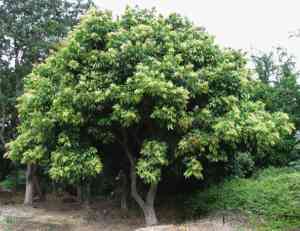
This perennial tree or bush is recognized for its lustrous foliage and fruit that yields soap. For wingleaf soapberry, trimming ought to concentrate on excising lifeless or ailing wood, reducing dense branches to improve illumination and air circulation, and sculpting for visual appeal or spatial control. The ideal period for pruning is in winter, while the plant is inactive, to lessen strain and avert sap leakage. Pruning boosts fruit yield and sustains plant well-being, but refrain from severe cuts to safeguard the primary framework.
What Are the Benefits of Pruning Wingleaf Soapberry?
What Are the Benefits of Pruning Wingleaf Soapberry?
Trimming wingleaf soapberry promotes robust development and preserves its shape. It allows light and air to reach inner branches, fostering a strong structure and preventing illness.
What Is the Best Time for Pruning Wingleaf Soapberry?
What Is the Best Time for Pruning Wingleaf Soapberry?
Winter is considered ideal for pruning wingleaf soapberry because the plant is dormant. This period of reduced activity means that trimming will cause less stress to the plant, and the potential for disease or pest infestation is minimized as these threats are less active in cold weather. Additionally, without leaves, the structure of wingleaf soapberry is more visible, allowing for more precise cuts that encourage healthy growth patterns in the spring. Pruning in winter also prevents the removal of emerging blossoms or fruit that could occur in other seasons, ensuring that the plant's flowering and fruiting potential is not compromised.
What Tools Do I Need to Prune Wingleaf Soapberry?
Hand Pruners
For routine upkeep and removal of small branches less than 1 inch (2.5 cm) in diameter on wingleaf soapberry, hand pruners, also known as secateurs, will provide clean cuts without harming the woody stems.
Loppers
When branches between 1 to 2 inches (2.5 to 5 cm) in diameter need to be trimmed, loppers are the preferred choice for wingleaf soapberry due to their longer handles, which offer additional leverage.
Pruning Saw
For branches and limbs over 2 inches (5 cm) in diameter on wingleaf soapberry, a pruning saw is essential. The saw enables cutting larger wood sections without causing stress to the plant.
Pole Pruner
To safely trim higher branches of wingleaf soapberry without using a ladder, pole pruners with a saw attachment can be utilized. This tool allows for the removal of limbs that are out of reach from the ground.
How to Prune Wingleaf Soapberry
Step1: Tool Preparation and Sterilization
Prepare the necessary tools like clean, sharp pruning shears, loppers, or a handsaw for larger branches. Sterilize these tools with a solution of one part bleach to nine parts water to prevent the spread of disease.
Step2: Identify Problematic Wood
Inspect wingleaf soapberry thoroughly to identify all dead, diseased, or damaged wood, which typically appears dry, brittle, discolored, or has signs of fungal growth or bark damage.
Step3: Remove Dead Wood
Begin by removing dead wood, cutting at a point just above where the dead tissue meets live, healthy tissue. Make the cut at an angle to allow water to run off and prevent diseases.
Step4: Prune Diseased Limbs
Trim diseased limbs as soon as they are observed. Cut well back into healthy wood, at least several inches below the diseased area, to ensure the disease is completely removed.
Step5: Cut Damaged Wood
Address damaged wood by cutting it back to a point of healthy, undamaged tissue to facilitate proper healing. If the damage is from a clean cut or break, prune back to just above a lateral branch or bud.
Step6: Shape and Thin the Canopy
After removing problematic wood, focus on shaping wingleaf soapberry. Thin out the tree to allow light and air to reach its interior. Selectively prune crowded branches to maintain the tree’s natural form.
Step7: Limit Pruning Volume
Avoid over-pruning by removing no more than 25% of the crown in a single season, as wingleaf soapberry needs a full canopy of leaves to maintain health and vigor.
Step8: Cleanup and Disease Prevention
After pruning, clean up the work area, removing all cuttings from the ground to prevent any disease from spreading. Dispose of diseased material properly, not in the compost pile.
Step9: Seal Large Cuts
Seal any cuts larger than an inch in diameter with pruning sealant to protect wingleaf soapberry from pests and decay organisms.
Step10: Post-Pruning Watering
Water wingleaf soapberry generously after pruning to reduce stress on the plant and provide a boost for the healing process.
Step11: Monitor and Annual Pruning
Monitor wingleaf soapberry after pruning for signs of new growth and prune annually, as needed, during its dormant season to maintain plant health and desired shape.
Post-Pruning Care for Wingleaf Soapberry
Post-Pruning Care for Wingleaf Soapberry
After trimming wingleaf soapberry, ensure adequate watering to aid recovery, avoiding over-saturation. Provide a balanced environment with partial sun and maintain moderate humidity. Apply a slow-release fertilizer to replenish nutrients. Observe for wilted leaves or rot, indicating stress or infection. In such cases, reduce water and remove affected areas. Regularly check for pests or disease, taking action if symptoms persist.
Common Pruning Mistakes with Wingleaf Soapberry
Avoid Over-Pruning
Excessive pruning can be a serious error when tending to wingleaf soapberry. This can lead to a stressed plant, stunted growth, and reduced flowering.
Use Sharp, Clean Tools
Using dull or dirty pruning tools can damage the branches of wingleaf soapberry, leading to jagged cuts that are more susceptible to disease.
Preserve Old Growth for Blooms
Removing too much of the old wood can be a mistake as wingleaf soapberry can produce flowers on previous year's growth. Over-pruning can lead to less flowering.
Common Pruning Tips for Wingleaf Soapberry
Angle Cuts for Healthy Growth
Make clean cuts at a 45-degree angle about 1/4 inch above a bud that faces the outside of the plant. This encourages water to run off the cut and new growth to spread outward.
Remove Dead or Damaged Limbs
Focus on removing dead, damaged, or diseased branches to maintain the health and appearance of wingleaf soapberry. This can be done anytime during the year as soon as such issues are noticed.
Improve Circulation with Thinning
Thin out crowded areas to improve air circulation and sunlight penetration throughout wingleaf soapberry, which can help prevent disease and promote more vigorous growth.



