How to Overwinter Wingleaf soapberry
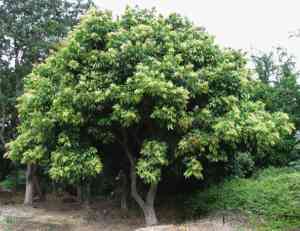
1
Wingleaf soapberry tolerates mild frost but flourishes with appropriate winter care.
2
Keep soil damp but not saturated during winter dormancy to avoid root decay.
3
Slowly boost light exposure when moving Wingleaf soapberry back outside in springtime.
Why Overwinter Wingleaf soapberry?
Why Overwinter Wingleaf soapberry?
Overwintering Wingleaf soapberry is vital for preserving its well-being through colder months. This robust plant, originating from tropical areas, can endure some frost but greatly benefits from careful winter care. By providing suitable conditions, you guarantee your Wingleaf soapberry not only survives winter but flourishes in the subsequent growing season. Proper overwintering helps avert stress, reduce pest problems, and encourages vigorous growth and flowering in spring.
Preparing Wingleaf soapberry for Overwintering
Checking Plant Health
Before starting the overwintering process, examine your Wingleaf soapberry for any indications of illness or pests. Inspect leaves, stems, and roots for abnormalities. Healthy plants are more likely to survive and thrive through winter. Remove affected parts and promptly treat pests to ensure a smooth overwintering period.
Pruning Techniques
Pruning is crucial for readying Wingleaf soapberry for winter. Remove any dead or damaged branches to lessen disease risk. Trim the plant to maintain a manageable size, making indoor care easier if you're bringing it inside. Proper pruning methods help stimulate new growth and improve air circulation around the plant.
Watering Instructions
Water your Wingleaf soapberry thoroughly before the first frost. This will help the plant maintain sufficient hydration. During the overwintering period, decrease watering frequency but ensure the soil remains slightly damp. Overwatering can lead to root rot, so striking a balance is essential. Aim for soil that feels moist but not waterlogged.
Ideal Overwintering Conditions for Wingleaf soapberry
Temperature Requirements
Wingleaf soapberry can withstand temperatures down to approximately -5°C (23°F). However, for optimal thriving, aim to maintain a temperature range between 5°C to 15°C (41°F to 59°F). If bringing the plant indoors, place it in an unheated room, basement, or garage where it can stay cool but not freeze. Avoid placing it near heat sources or in drafty areas to prevent temperature fluctuations.
Humidity Levels
Humidity is another critical factor to consider. Indoor conditions during winter can be quite arid, so maintaining moderate humidity levels (around 40-60%) can be advantageous. Use a humidifier or place a water tray near the plant to increase air moisture. This helps reduce plant stress and keeps its foliage looking healthy.
Lighting Needs
While Wingleaf soapberry doesn't demand intense light during winter, ensuring it receives adequate natural light is important. Position the plant near a south-facing window to maximize light exposure. If natural light is insufficient, you can use grow lights for supplementation. Aim for about 6-8 hours of indirect light daily to keep the plant in good condition.
Addressing Common Overwintering Challenges
Pest and Disease Control
Pests and diseases can be a concern during the overwintering period. Regularly inspect your plant for signs of pests like aphids, spider mites, or scale insects. Use a mild insecticidal soap or neem oil to treat infestations. Maintaining cleanliness around your plant by removing fallen leaves and debris can also help prevent disease.
Dealing with Leaf Drop
Leaf drop is common in many plants during winter, and Wingleaf soapberry is no exception. If your plant experiences leaf drop, do not be alarmed. Ensure it is not due to overwatering or insufficient light. Adjusting the care routine and providing consistent conditions can help mitigate excessive leaf loss.
Preventing Root Rot
Root rot is a common issue in overwintering plants, primarily caused by excessive watering. Ensure the pot has proper drainage and avoid letting the plant sit in standing water. Using a well-draining potting mix and monitoring soil moisture levels can effectively prevent root rot.
Transitioning Wingleaf soapberry Outside After Winter
Timing for Transition
The transition period is crucial for acclimating your Wingleaf soapberry back to outdoor conditions. Wait until the risk of frost has passed before moving the plant outside. Typically, this is when nighttime temperatures consistently remain above 10°C (50°F). Rushing this process can stress the plant and cause damage.
Gradual Exposure Techniques
Begin by placing the plant outdoors for a few hours daily, progressively increasing exposure over one to two weeks. This gradual approach helps the plant adjust to direct sunlight, temperature shifts, and air circulation. Bring the plant indoors at night during the initial days to shield it from sudden temperature drops.
Reassessment of Plant Health
Once the plant is fully transitioned outside, re-evaluate its health. Check for any signs of stress, pest infestation, or disease. Providing a balanced fertilizer can help boost its growth and development. Regular monitoring during the first few weeks outdoors ensures your Wingleaf soapberry recovers successfully from the overwintering period.



