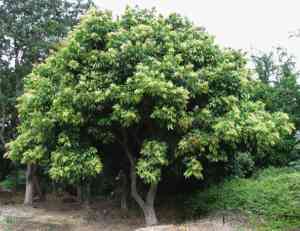
Wingleaf soapberry(Sapindus saponaria)

Wingleaf soapberry (Sapindus saponaria)

Also known as: Western soapberry, Sulluku, Soap nut, A'e, Wild Chinaberry, Soaptree, Black nicker tree

The manchineel tree (Hippomane mancinella) is a tree indigenous to both North and South America. Its fruit is highly toxic and can cause severe skin irritation. Despite its dangerous fruit, the wood from the manchineel tree, when carefully handled and dried, can be crafted into baskets.

Attributes of Wingleaf soapberry

Lifespan
Perennial
Plant Type
Tree
Plant Height
6 m to 15 m
Spread
8 m to 9 m
Leaf Color
Green
Flower Size
2.5 cm
Flower Color
Yellow Green White Gray

ForwardPlant - Identify plants with a snap

Identify and diagnose plants, get toxicity alerts, and explore safety guides for all types of fungi.

Try for Free

Images of Wingleaf soapberry

Wingleaf soapberry(Sapindus saponaria)

Quickly Identify Wingleaf soapberry

1
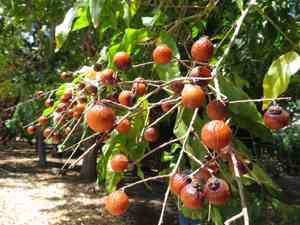
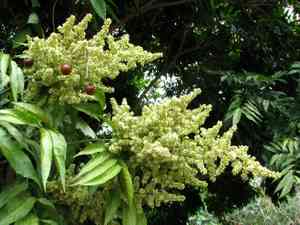
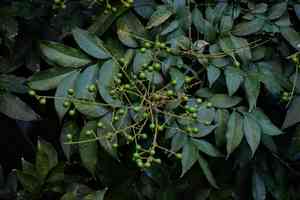
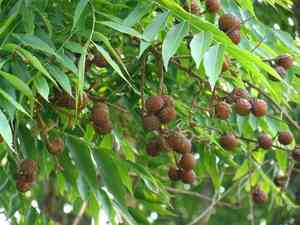
Sapindus saponaria can be recognized by its compound leaves with 6-15 pairs of leaflets, small white flowers in large terminal panicles, and its round, yellowish-brown, soapy-textured fruit.

Scientific Classification of Wingleaf soapberry

Phylum
Vascular plants
Class
Dicotyledons
Order
Maples, mangos, mahogany, citrus, and allies
Family
Soapberry
Genus
Sapindus
Species
Wingleaf soapberry

Planting and Growing of Wingleaf soapberry

Care Difficulty
Easy
Watering Schedule
Every 2 days
Sunlight Requirements
Full sun
Sunshine Duration
10-14 hours
Ideal Temperature
68-77℉
Soil Type
Potting Mix, Peat Mix
Soil pH
6.5-7.5
Fertilizer Type
Balanced
Pruning Season
Spring, Summer
Pruning Area
Branches, Leaves
Pruning Frequency
2 times a year
Repotting Season
Spring
Pot Type
Plastic, Ceramic

water icon How to Water Wingleaf soapberry?

Sapindus saponaria, commonly known as the soapberry tree, should be watered with around 500 milliliters each time. This amount ensures the soil is evenly moist but not waterlogged, allowing for proper drainage. The goal is to mimic the plant’s native environment, where moderated but consistent rainfalls are typical.
What are the symptoms of an underwatered Wingleaf soapberry?
What should I do if my Wingleaf soapberry is not getting enough water?
What are the symptoms of an overwatered Wingleaf soapberry?
How to save an overwatered Wingleaf soapberry?

sunlight icon What Are the Sunlight Requirements for Wingleaf soapberry?

Sunlight Requirements: Full sun, Partial sun
Duration of light: 6 to 8 hours
Sapindus saponaria ideally requires full to partial sunlight, enhancing its growth and photosynthesis efficiency when the light conditions are met.
What is the ideal sunlight exposure for Sapindus saponaria?
How can I ensure Sapindus saponaria gets ideal sunlight?
What are the benefits of providing ideal lighting for Sapindus saponaria?
More About Sunlight Requirements Techniques

temperature icon What Is the Ideal Temperature Range for Wingleaf soapberry?

Ideal Temperature: 68 ~ 77℉
Sapindus saponaria thrives best in a temperature range of 68°F to 77°F. This range ensures optimal growth and development by providing the warmth necessary for physiological processes without inducing stress.

soil icon What Soil is Best for Wingleaf soapberry?

Soil type: Sandy soil, Loam, Sandy loam
Soil PH: 6.5 ~ 7.5
Sapindus saponaria thrives in well-drained soils, which prevent waterlogging and root rot. This kind of soil ensures the roots have ample oxygen, enhancing plant health and vitality. While this plant is not picky, moderately fertile soils provide essential nutrients that support growth and fruit production. Balanced nutrient levels prevent deficiencies that can impact the tree's health. Having soils that retain some moisture but do not stay soggy helps in sustaining the plant through dry spells. Appropriate moisture levels support consistent growth and reduce stress. More About Soil

fertilize icon How to Fertilize Wingleaf soapberry?

Fertilizer type: Balanced
Sapindus saponaria, commonly known as the soapberry tree, benefits from targeted fertilization. A balanced fertilizer, such as a 10-10-10 NPK, should be applied carefully. For liquid fertilizer, a concentration of 1 tablespoon per gallon of water suffices, ensuring nutrients are available without overwhelming the plant. For slow-release granular fertilizers, use approximately 1 pound per 100 square feet of area surrounding the plant. This allows the plant to gradually absorb nutrients over time, promoting steady growth and vitality. More About Fertilizing Techniques

prune icon How to Prune Wingleaf soapberry?

Pruning Time: Spring, Summer
Begin by using sharp, clean pruning shears to cut away any dead or damaged branches. Then, thin out the canopy by removing some of the older stems at their base, focusing on overly crowded areas to allow light and air to reach the inner branches. This encourages healthy new growth and prevents diseases. More About Pruning Techniques

propagate icon How to Propagate Wingleaf soapberry plant?

Propagate Time: Spring,Earおy summer
1
Collect seeds from mature Sapindus saponaria fruits. Ensure the seeds are fully matured, which typically means they have turned brown. Clean them thoroughly to remove fruit pulp.
2
For cutting propagation, choose healthy, disease-free stems. Cut a segment measuring about 6-8 inches in length. Ensure the cutting includes multiple leaf nodes for optimal rooting.
3
Once cleaned or cut, plant seeds or cuttings in well-draining soil with a balanced mix of peat and perlite. Ensure they are placed in a spot with indirect sunlight to prevent scorching.
More About Propagating Techniques

repot icon How to Repot Wingleaf soapberry plant?

Repotting frequency: Every 2-3 years
1
Sapindus saponaria should be repotted when you notice roots growing out of the drainage holes or if the growth appears stunted. Repotting in early spring or summer can ensure the plant has ample time to adjust to its new surroundings. These signs indicate that the plant needs more space and nutrients, crucial for its health and well-being.
2
Select a pot that is 1-2 sizes larger than the current one. Ensure it has good drainage holes to prevent waterlogging. A larger pot helps accommodate root growth, and proper drainage avoids root rot, allowing Sapindus saponaria to thrive and flourish in its new environment.
3
Opt for well-draining, slightly acidic soil, rich in organic matter. This ensures adequate water flow and nutrient availability while preventing root rot. The right soil mix promotes healthier root development and, subsequently, a thriving Sapindus saponaria.

ForwardPlant - Identify plants with a snap

Find the best spots for them to optimize their health, simply using your phone.

Try for Free

Toxicity of Wingleaf soapberry

Is Wingleaf soapberry toxic to cat?

Wingleaf soapberry poses a toxic risk to cats, and accidental ingestion can lead to harmful effects. Exposure to its toxins often happens when a cat consumes the fruits, seeds, leaves, or has contact with the sap or juice of the wingleaf soapberry. Cats that are affected may display different symptoms that indicate physical discomfort or pain resulting from poisoning. It is crucial to identify these signs promptly and pursue immediate veterinary attention to secure the best possible outcomes for the affected cat's health and welfare.

Is Wingleaf soapberry toxic to dog?

Wingleaf soapberry is identified as a toxic plant for dogs. Canines might inadvertently consume various parts of wingleaf soapberry, including the fruits, seeds, leaves, or sap/juice, which can result in poisoning. Should a dog ingest any component of wingleaf soapberry, it may display symptoms consistent with poisoning. These symptoms can vary from mild to severe and may involve vomiting, diarrhea, lethargy, or more critical reactions depending on the quantity ingested and the dog’s size and overall health status. It is essential for dog owners to remain alert and obstruct their pets from accessing wingleaf soapberry. If a dog does ingest this plant, prompt veterinary attention is vital for the animal's health and wellness.

Identify toxic plants for your safety

Learn which plants are harmful to you and your pets, and make informed choices for a safer home!

Try for Free
WARNING
The judgment on toxicity and danger is for reference only. We DO NOT GUARANTEE any accuracy of such judgment. Therefore, you SHALL NOT rely on such judgment. It is IMPORTANT TO SEEK PROFESSIONAL ADVICE in advance when necessary.
More About Toxic Techniques