How to Propagate Wingleaf soapberry?
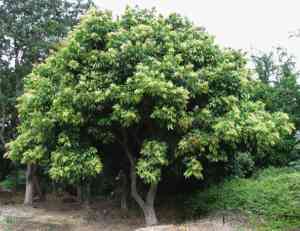
The wingleaf soapberry is most effectively multiplied in the springtime using either cuttings or layering techniques. Its propagation is moderately straightforward, with fresh foliage and sprouts signaling successful establishment. Prevent excessive watering and ensure the growing medium drains properly throughout this procedure.
Optimal Period for Wingleaf Soapberry Propagation
Propagation Method
Cutting
Propagation Period
Autumn,Winter
Tools Required for Wingleaf Soapberry Propagation
Pruning Shears
Pruning shears are crucial for obtaining cuttings from wingleaf soapberry. They enable a clean, precise cut, minimizing harm to the parent plant and boosting the cutting's survival prospects. Sharp, sanitized shears also decrease disease transmission risk.
Rooting Hormone
Rooting hormone stimulates root formation in wingleaf soapberry cuttings. Dipping the cut end into the hormone prior to planting can significantly enhance the success rate of root development, ensuring a stronger foundation for the new plant.
Potting Mix
A well-draining potting mix offers essential support and aeration for wingleaf soapberry cuttings. It helps prevent root rot and other moisture-related problems, which is vital during the delicate initial root development phase.
Propagation Trays
Propagation trays provide an organized space to plant multiple wingleaf soapberry cuttings. Trays with clear covers can create a greenhouse effect, maintaining high humidity and stable temperatures favorable for rooting.
Heating Mat
A heating mat can be placed beneath propagation trays to ensure a warm environment, which benefits the root development of wingleaf soapberry. Consistent warmth can accelerate rooting speed and success rate.
Misting Bottle
A misting bottle allows for gentle watering of wingleaf soapberry cuttings without disturbing fragile new roots. Maintaining adequate moisture levels is critical for cuttings to establish and grow.
Sterilizing Agent
Using a sterilizing agent ensures all tools and containers are free from pathogens. Sterilizing pruning shears and trays before use helps prevent disease in wingleaf soapberry cuttings, safeguarding the health of new plants.
Post-Propagation Care for Your Wingleaf Soapberry
Post-Propagation Care for Your Wingleaf Soapberry
Once the cutting has successfully rooted, which may take several weeks, gradually introduce it to the environment by removing the plastic bag or dome for increasing durations. Keep the soil consistently moist and provide the young wingleaf soapberry with bright, indirect light. Progressive exposure to more direct sunlight can occur as the plant matures. Transplant to a larger container or suitable outdoor spot when the root system is well-established and the plant shows signs of new growth. Maintain good soil moisture and protect from extreme temperatures to ensure healthy development of wingleaf soapberry.
Common Errors to Avoid When Propagating Wingleaf Soapberry
Excessive watering of cuttings
Overwatering can lead to root rot in wingleaf soapberry cuttings before they can establish. This significantly reduces the chances of successful propagation as developing roots require a balance of moisture and air.
Failing to use a rooting hormone
Omitting the application of a rooting hormone can result in extended rooting times or complete failure to root for wingleaf soapberry. Rooting hormones promote faster and more successful root development.
Using overly dense soil
Wingleaf soapberry requires well-draining soil; using a mixture that is too heavy or compact can hinder root growth and aeration, limiting propagation success.
Insufficient light
While wingleaf soapberry cuttings need protection from intense direct sunlight, they still require adequate light to thrive. Insufficient light can weaken cuttings and reduce the likelihood of successful rooting.
Tips For Propagating Wingleaf Soapberry
Provide a well-draining medium
Utilizing a blend of perlite, sand, and peat or a similar well-draining substrate will facilitate robust root growth without waterlogging, which is crucial for successful wingleaf soapberry propagation.
Use sharp and sterile tools
When taking cuttings from wingleaf soapberry, employing clean, sharp tools will minimize damage to the parent plant and the cutting while reducing the risk of infection and disease.
Maintain high humidity
Keeping wingleaf soapberry cuttings in a high humidity environment helps prevent excessive moisture loss through the leaves. Covering cuttings with a plastic dome or using a misting system can help achieve this.
Monitor for pests and disease
Regularly inspecting wingleaf soapberry cuttings for signs of pests and disease will allow for prompt intervention, increasing the chances of successful propagation.



