Optimal Soil for Growing Wingleaf soapberry: What You Need to Know
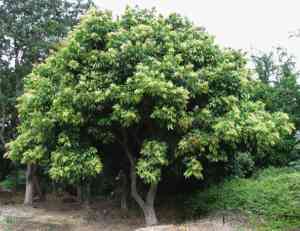
1
Wingleaf soapberry flourishes in soils with a pH between 6.5 and 8, allowing it to adapt to diverse soil conditions.
2
Periodically incorporating organic materials such as compost or manure greatly enhances soil composition and nutrient levels.
3
Applying mulch consistently aids in moisture retention, weed suppression, and temperature regulation of the soil.
Optimal Soil Type for Wingleaf Soapberry
Sandy Soil: Advantages and Disadvantages
Sandy soil is recognized for its excellent drainage and ease of cultivation, making it a suitable choice for Wingleaf soapberry. This soil type dries out quickly after rain or irrigation, minimizing the risk of root rot, a common problem in overly moist soils. However, its main drawback is poor nutrient retention. It tends to leach essential nutrients, potentially requiring frequent fertilization. Therefore, if using sandy soil, consistent monitoring and nutrient supplementation are vital.
Loamy Soil: Ideal Growing Conditions
Loamy soil offers a perfect equilibrium for cultivating Wingleaf soapberry. It comprises a blend of sand, silt, and clay, providing superb drainage while retaining adequate moisture and nutrients. Loamy soil is favored for its soft texture and high fertility, fostering robust root development and vigorous plant growth. To preserve its optimal characteristics, regularly incorporating organic matter, such as compost, can enrich nutrient content and soil structure.
Clay Soil: Benefits and Difficulties
Clay soil presents a mixed scenario for planting Wingleaf soapberry. Positively, clay soil is nutrient-rich and holds moisture effectively. Nevertheless, its dense composition poses challenges as it tends to become waterlogged and compacted, which can impede root growth and aeration. To make clay soil more plant-friendly, amend it with organic matter to enhance its texture and drainage.
Preparing Soil for Wingleaf Soapberry
Soil Testing and pH Balance
Begin by analyzing your soil to determine its pH level and nutrient composition. Wingleaf soapberry thrives in soil with a pH between 6.5 and 8. You can acquire soil testing kits from garden centers or submit a soil sample to a local agricultural extension service. Understanding your soil's pH and nutrient status enables informed decisions regarding necessary amendments and fertilizers to create an optimal growing environment.
Amending Soil with Organic Matter
Incorporating organic materials like compost, well-decomposed manure, or leaf mold into the soil can significantly boost its fertility and structure. Organic matter improves soil aeration, water retention, and microbial activity, establishing a balanced environment for Wingleaf soapberry roots to flourish. Aim to work at least 5-10 centimeters (2-4 inches) of organic matter into the topsoil each planting season.
Enhancing Soil Drainage
Effective drainage is crucial for preventing root diseases. To improve drainage, especially in heavy clay soils, consider constructing raised beds or mixing in coarse sand or gravel to increase soil porosity. Ensure that water does not accumulate around the plant bases by grading the soil surface or utilizing drainage pipes if necessary.
Nutritional Requirements of Wingleaf Soapberry
Primary Nutrients: Nitrogen, Phosphorus, Potassium
The main nutrients vital for Wingleaf soapberry are nitrogen (N), phosphorus (P), and potassium (K). Nitrogen promotes vigorous leaf growth; phosphorus is essential for root development and flowering, while potassium boosts overall plant health and disease resistance. Using a balanced fertilizer, such as a 10-10-10 or 20-20-20 formulation, ensures these nutrients are readily available to the plant.
Secondary Nutrients and Micronutrients
Beyond the primary nutrients, Wingleaf soapberry also requires secondary nutrients like calcium (Ca), magnesium (Mg), and sulfur (S), as well as micronutrients including iron (Fe), manganese (Mn), and zinc (Zn). These nutrients support various physiological processes. Ensure your soil or fertilizer supplies these elements, particularly if soil tests indicate deficiencies.
Fertilization Methods
Correct fertilizer application is critical for nutrient absorption and plant well-being. Base your fertilization strategy on soil test results and growth stages. For Wingleaf soapberry, begin with a slow-release granular fertilizer during planting and follow up with liquid feeds during the growing season for a nutrient boost. Avoid excessive fertilization, which can lead to nutrient imbalances and environmental harm.
Maintaining Soil Health for Wingleaf Soapberry
Mulching Practices
Mulching is an excellent method for preserving soil health. Apply a 5-10 centimeter (2-4 inch) layer of organic mulch, such as shredded bark, straw, or leaves, around Wingleaf soapberry. Mulching helps conserve moisture, regulate soil temperature, and suppress weed growth. It also gradually decomposes, enriching the soil with organic matter.
Crop Rotation and Cover Crops
Rotating your Wingleaf soapberry plants with other crops can prevent soil nutrient depletion and disrupt pest and disease cycles. Planting cover crops like clover or legumes can enhance soil fertility by fixing nitrogen and adding organic matter when tilled into the soil. Cover crops also help improve soil structure and reduce erosion.
Preventing Soil Erosion
Soil erosion can be detrimental to plant health and soil quality. To prevent erosion, maintain ground cover and consider implementing erosion control measures such as terracing on slopes and planting groundcover plants. Regularly adding organic matter can also enhance the soilâs structure and stability, making it more resistant to erosion.



