How Much Sunlight Do Common blackberry Need?
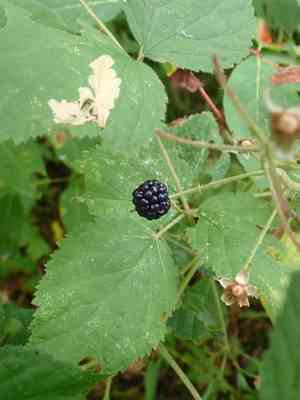
1
Common blackberry flourishes best in direct sunlight, though it can endure some dappled light.
2
Strive to offer a minimum of 6-8 hours of unfiltered sun each day for peak development and fruit harvest.
3
Indications of excessive sun exposure are scorched leaves and sunburn, whereas inadequate light leads to low fruit production and elongated stems.
The Importance of Sunlight for Common Blackberry
Sunlight's Role in Development
Sunlight is crucial for the development of Common blackberry. Like all plants, blackberries use solar energy as their main power source. The sun's rays activate vital growth hormones, promoting strong stem and leaf formation. Ensuring adequate sunlight leads to healthier, more vigorous plants.
Photosynthesis and Berry Production
Sunlight is also essential for photosynthesis, where plants convert light energy into chemical energy for their functions. Better photosynthesis results in a higher yield of delicious blackberries. This process creates the sugars needed for fruit development, meaning ample sunlight produces juicier, sweeter berries, leading to a plentiful harvest.
Optimal Sunlight Needs for Common Blackberry
Full Sun vs. Partial Shade
Common blackberry thrives best in full sun, receiving unfiltered sunlight for most of the day. However, blackberries are adaptable and can endure partial shade. In regions with intense summer heat, partial shade can shield leaves from scorching. Still, for peak growth, fruit production, and disease resistance, full sun exposure is recommended.
Daily Sun Exposure
For the best results, aim to provide your Common blackberry plants with at least 6-8 hours of direct sunlight daily. This duration allows efficient photosynthesis and abundant fruit production. Less than 6 hours of sunlight may lead to fewer fruits and weaker growth.
Best Planting Sites for Optimal Sunlight for Common Blackberry
Positioning Your Plants
Choosing the right garden spot significantly impacts blackberry plant growth. Plant your Common blackberry bushes where they receive the most sunshine throughout the day. A south-facing location typically offers the most consistent sunlight. Also, consider shadows from structures and taller plants that might block light.
Avoiding Shaded Areas
Do not plant Common blackberry in areas that stay shaded for most of the day, such as near large trees or buildings. Shady conditions can impede growth, reduce fruit yield, and increase disease susceptibility due to damp, dark environments. For optimal outcomes, select a well-drained site with good air circulation where the blackberry plants can enjoy full daylight.
Signs of Too Much or Too Little Sun for Your Common Blackberry
Symptoms of Sun Damage
If your Common blackberry gets too much sun, you might observe leaf scorching or sunburn. Leaves may develop brown or crispy edges and appear bleached or burnt. In such cases, provide temporary shade to prevent further harm, especially during intense mid-summer heatwaves.
Indicators of Insufficient Light
Conversely, inadequate sunlight can result in leggy plants with weak stems and sparse foliage. Low light conditions may also lead to reduced fruit yield or smaller, less sweet berries. Poor air circulation in shaded areas can worsen problems by encouraging fungal diseases. To fix this, gradually move your plants to a sunnier location if possible.
Modifying Sunlight Exposure for Common Blackberry
Using Shade Cloths and Reflectors
In areas with extremely strong sunlight, consider using shade cloths to protect your Common blackberry plants during the hottest parts of the day. These cloths reduce ray intensity while still allowing enough light for photosynthesis. Reflective surfaces can also be positioned to direct additional light towards plants shaded by nearby objects.
Seasonal Adjustments
Seasonal changes can impact sunlight exposure for your Common blackberry. The sun's position varies, so a full sun spot in summer might be partially shaded in winter. Adjust positioning or use portable planters to optimize sunlight exposure year-round. Monitoring sunlight patterns across seasons helps ensure consistent lighting for blackberries.



