How to Propagate Common blackberry?
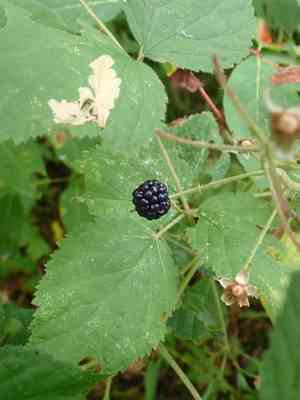
The most suitable period for propagating common blackberry is in the fall and winter, employing either cutting or layering approaches. These procedures are relatively straightforward, and the emergence of fresh shoots and foliage signifies successful propagation. Effective regulation of moisture levels is essential for robust development.
When Is the Best Time to Propagate Common Blackberry?
Propagation Type
Cutting
Propagation Season
Fall,Winter
What Tools Are Used in Common Blackberry Propagation?
Sharp pruning shears
Pruning shears are vital for making clean, precise cuts on common blackberry stems. Sharp blades minimize plant damage and ensure a clean cut, which is key for successful rooting and reducing disease risk.
Rooting hormone powder
Applying rooting hormone powder to the cut end of common blackberry cuttings promotes root development and boosts success rates. This hormone stimulates root growth at the cut site, especially beneficial for hardwood cuttings that root slowly.
Sterile potting mix
A sterile potting mix offers a disease-free environment for common blackberry cuttings to root. The mix should be light and well-draining to encourage aeration and prevent waterlogging, which can lead to root rot.
Propagation tray with dome
A propagation tray with a clear plastic dome creates a humid microclimate, crucial for preventing common blackberry cuttings from drying out before they establish roots. This controlled setting helps retain moisture around the cuttings.
Heat mat
A heat mat provides consistent bottom warmth, which encourages root development in common blackberry cuttings. This warmth can also speed up the rooting process, useful during colder months or climates where ambient temperatures are not ideal.
Misting bottle
A misting bottle helps maintain high humidity around common blackberry cuttings, ensuring tender stems and leaves don't dry out while rooting. Regular misting mimics the moisture levels of common blackberry's natural habitat.
Labeling materials
Labels and a waterproof marker are needed to record the propagation date and other relevant details about common blackberry cuttings. Proper labeling helps track progress and assists in caring for different batches.
How to Care for Your Newly Propagated Common Blackberry?
How to Care for Your Newly Propagated Common Blackberry?
After propagation, keep soil consistently moist and mulch around the base to retain moisture and control weeds. Shield developing common blackberry from extreme temperatures and strong winds. Once established, prune annually in late winter to remove dead canes and encourage new growth, ensuring abundant fruit.
Common Mistakes to Avoid When Propagating Common Blackberry
Ignoring rooting hormone
Skipping rooting hormone can lead to a lower success rate for common blackberry cuttings, decreasing propagation effectiveness.
Overwatering
Excessive watering can cause root rot and fungal diseases in common blackberry cuttings or seedlings, compromising plant health.
Underestimating space
Planting common blackberry cuttings or seedlings too close together can hinder airflow and light, increasing disease risk and stunting growth.
Poor cutting selection
Using old or diseased canes for cuttings can result in unhealthy new common blackberry plants, reducing propagation success.
Neglecting soil preparation
Failing to use a well-draining soil mix can lead to waterlogging, negatively impacting root development in common blackberry.
Tips For Propagating Common Blackberry
Optimal cutting choice
Choose healthy, one-year-old canes for cuttings to ensure higher vitality and growth potential in common blackberry.
Use of rooting hormone
Applying rooting hormone to common blackberry cuttings can significantly boost the chances of successful root development.
Proper watering
Maintain a consistent yet moderate watering schedule for common blackberry cuttings to prevent water stress and root diseases.
Spacing
Provide each common blackberry cutting or seedling ample room to grow, ensuring access to sunlight and reducing nutrient competition.
Soil composition
Use a rich, well-draining soil mix for common blackberry to promote healthy root growth and prevent water retention.



