The Common blackberry Plant Advantage: Maximizing Home and Office Appeal and Wellness
1
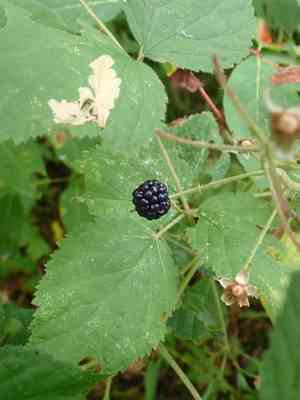
Blackberry, a common variety, contains abundant vitamins, especially C and K.
2
This plant is recognized for its antioxidant qualities.
3
Cultivating common blackberry in gardens encourages diverse life forms.
Health Advantages of Common blackberry
Why Is Common blackberry a Nutritional Powerhouse?
Common blackberry provides numerous vital nutrients, including vitamins C and K, manganese, and dietary fiber. Its high vitamin C content aids in boosting immunity and fighting oxidative stress, making it an excellent dietary addition. Moreover, vitamin K is essential for bone strength and blood coagulation.
How Can Common blackberry Enhance Your Daily Diet?
Incorporating Common blackberry into your meals is simple and tasty. These berries can be added to smoothies, salads, and desserts, offering a burst of flavor and health benefits. Their high fiber content assists digestion, helping maintain a healthy gut.
Growing Common blackberry in Your Garden
What Are the Optimal Growing Conditions for Common blackberry?
Common blackberry thrives in well-drained soil with a pH level between 5.5 and 7.0. It prefers full sun but can endure light shade. Sufficient spacing is vital for air circulation and disease prevention. Regular watering and mulching help retain soil moisture and reduce weed growth.
Tips for Successful Common blackberry Cultivation
Start by selecting disease-resistant Common blackberry varieties. Prune plants annually to remove dead or weak branches and encourage new growth. Using organic fertilizers can boost soil fertility and plant health. Monitoring for pests and diseases ensures the longevity and productivity of your Common blackberry plants.
Ecological Benefits of Common blackberry
How Does Common blackberry Promote Biodiversity?
Growing Common blackberry in gardens supports local wildlife, including pollinators like bees and butterflies. The dense foliage provides habitat for various insects and small animals, fostering a vibrant ecosystem. By planting Common blackberry, gardeners can contribute to biodiversity and ecological balance.
The Role of Common blackberry in Soil Health
Common blackberry has deep roots that help prevent soil erosion and improve soil structure. The plant adds organic matter to the soil as its leaves and canes decompose, enriching the soil with nutrients. Sustainable cultivation practices of Common blackberry can lead to healthier, more fertile soils over time.
Culinary Applications of Common blackberry
What Are the Different Ways to Enjoy Common blackberry?
Common blackberry berries can be enjoyed fresh or used in various culinary preparations. They are perfect for making preserves, jams, and jellies. Additionally, Common blackberry can be used in baking pies, tarts, and muffins. The berries also complement savory dishes, such as sauces for meats and salads.
Delicious Recipes Featuring Common blackberry
Try making a refreshing Common blackberry smoothie by blending the berries with yogurt and honey. For a savory twist, create a Common blackberry sauce by simmering the berries with garlic, balsamic vinegar, and herbs, perfect for drizzling over grilled chicken or pork.



