Enhancing Your Garden Design with the Common blackberry Plant: A Landscaping Guide
1
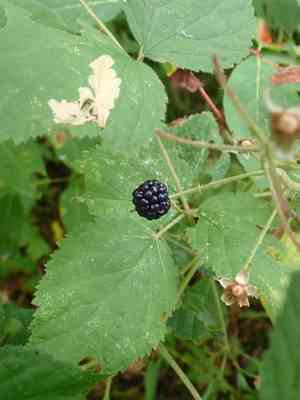
The Common blackberry provides aesthetic appeal and draws helpful creatures to your outdoor space.
2
Strategic placement and companion planting of Common blackberry can boost your garden's visual charm.
3
Consistent care and pest control are crucial for robust Common blackberry development.
Why Select Common blackberry for Your Outdoor Space?
Natural Beauty: How Common blackberry enhances garden aesthetics
When considering the visual appeal of plants in your garden, Common blackberry stands out for its inherent charm. This plant not only provides lush green foliage but also yields delightful berries that introduce a splash of color, creating an attractive garden environment. The organic appearance of Common blackberry helps unify various garden elements, fostering a harmonious and tranquil setting. Its presence can transform a simple garden into a captivating landscape rich in texture and depth.
Wildlife Benefits: Attracting avian species and pollinators with Common blackberry
A significant advantage of integrating Common blackberry into your garden design is its ability to draw in wildlife. Birds find the berries particularly appealing, leading to a vibrant garden atmosphere. Furthermore, the blossoms of Common blackberry are a rich source of nectar, inviting bees and other pollinators to your garden. This not only aids in the pollination of your plants but also supports the local ecosystem, promoting biodiversity.
Adaptability: Common blackberry's flexibility in diverse landscape designs
Common blackberry is a versatile plant that integrates seamlessly into various landscaping styles, from rustic and cottage gardens to contemporary and minimalist designs. Its adaptable nature allows it to flourish in different conditions, making it an excellent choice for diverse garden environments. Whether utilized as a hedge, a berry bush, or a standalone focal point, Common blackberry can elevate the aesthetic and practical value of any garden.
Integrating Common blackberry into Your Garden Layout
Placement and Sunlight: Optimal planting locations for Common blackberry
For peak growth and fruit production, it's essential to plant Common blackberry in a spot that receives ample sunlight. Full sun exposure for at least six to eight hours daily is ideal. However, Common blackberry can also tolerate partial shade, making it suitable for various garden areas. Ensure the soil drains well to prevent waterlogging, which can lead to root rot. Consider the plant's mature size and allow sufficient space for growth and air circulation.
Companion Planting: Compatible species for Common blackberry
Creating a balanced garden involves pairing Common blackberry with complementary plant varieties. Consider plants that share similar light and soil requirements. Shrubs like lavender or rosemary, which offer contrasting textures and colors, make excellent companions. Additionally, ground cover plants such as creeping thyme can provide a lush carpet around Common blackberry, enhancing overall visual appeal while helping to retain soil moisture and suppress weeds.
Establishing Focal Points: Utilizing Common blackberry as a central feature
Common blackberry can serve as a striking centerpiece in your garden design. Its height and form make it an ideal focal point, drawing attention and adding structure. Use Common blackberry to break up monotony in expansive garden areas or to create a natural backdrop for other plants. You can also consider incorporating decorative elements like trellises or garden art around Common blackberry to enhance its visual impact.
Care Guidelines for Healthy Common blackberry
Pruning Techniques: Best practices for Common blackberry development
Regular pruning is crucial for maintaining the health and productivity of Common blackberry. Prune during the dormant season, typically late winter, to remove any dead or diseased wood. Thin out crowded branches to improve air circulation and light penetration, which helps prevent fungal diseases. Aim to keep the plant open and airy, focusing on strong, healthy canes that will produce robust growth and abundant fruit.
Soil Vitality: Ensuring optimal ground conditions for Common blackberry
Healthy soil is the foundation for thriving Common blackberry. Conduct soil tests to determine pH levels and nutrient content. Aim for a slightly acidic to neutral pH, around 6.0-7.0, for optimal growth. Enrich the soil with compost or organic matter to improve fertility and structure. Mulching around the base of Common blackberry helps retain moisture, regulate soil temperature, and suppress weeds. Regularly check soil moisture and water when necessary to keep the soil evenly moist but not waterlogged.
Winter Protection: Safeguarding Common blackberry during colder periods
Winter protection is crucial for sustaining Common blackberry through harsh conditions. In colder climates, consider applying a thick layer of mulch or straw around the base to insulate the roots. Additionally, burlap or frost cloth can be used to cover the plants, shielding them from heavy snow and freezing temperatures. Proper winter care ensures that Common blackberry emerges healthy and vigorous when the growing season resumes.
Pests and Issues: Managing Challenges in Cultivating Common blackberry
Identifying Common Pests: What to look for with Common blackberry
Despite its resilience, Common blackberry can occasionally attract pests like aphids, spider mites, and Japanese beetles. Regularly inspect your plants for signs of pests, such as distorted leaves, webbing, or chewed foliage. Early detection is key to managing infestations effectively. Encourage natural predators like ladybugs and lacewings, which can help control pest populations.
Disease Prevention: Tips to maintain Common blackberry health
Preventing diseases is essential for healthy Common blackberry growth. Maintain good air circulation by spacing plants adequately and pruning regularly. Avoid overhead watering to reduce the risk of fungal infections. Apply organic fungicides when necessary and remove any diseased plant material promptly to prevent the spread of pathogens. Rotating planting locations each year can also help minimize the buildup of soil-borne diseases.
Natural Solutions: Eco-friendly remedies for Common blackberry care
For eco-conscious gardeners, natural remedies offer effective pest and disease control for Common blackberry. Neem oil, insecticidal soap, and horticultural oils can help manage pests without harming beneficial insects. Garlic and chive sprays deter many common pests naturally. Compost tea and seaweed extracts strengthen plant immunity, providing a natural defense against diseases.



