How to Prune Common blackberry?
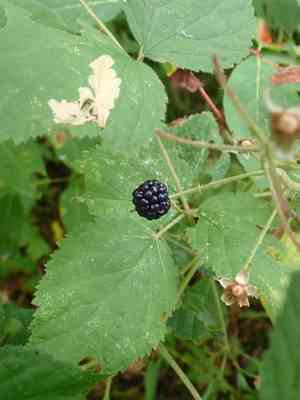
A leafy shrub recognized for its spiky stalks and palatable produce, common blackberry flourishes with meticulous trimming to sustain vigor and output. Eliminate lifeless, ailing, or congested shoots at soil level to stimulate fresh development. Perform pruning following the harvest to enhance productivity, generally in the initial days of spring. Reducing the density of mature shoots ensures sufficient sunlight and air movement, providing superior immunity to ailments and more substantial berries for common blackberry.
Advantages of Trimming Common Blackberry
Advantages of Trimming Common Blackberry
Trimming common blackberry encourages robust development and maintains its desired shape. By eliminating old stems, common blackberry directs energy into producing strong new shoots, which boosts fruit yield while keeping common blackberry well-formed and manageable.
Optimal Time for Trimming Common Blackberry
Optimal Time for Trimming Common Blackberry
Early spring is perfect for trimming common blackberry as the plant is still dormant, reducing stress and minimizing disease transmission via cuts. This timing allows the gardener to easily view the plant's structure without leaves, simplifying identification of canes to trim. It's also before common blackberry begins rapid spring growth, so the plant can quickly heal and channel energy into strong new canes that will bear fruit next year. Trimming during this period helps maintain common blackberry's health by removing dead or diseased canes and promotes a more abundant harvest by improving air circulation and sunlight exposure.
Tools Required for Trimming Common Blackberry
Hand Pruners
For cutting smaller stems and shaping common blackberry. Hand pruners allow for precise cuts without causing unnecessary plant damage.
Loppers
For larger common blackberry canes too thick for hand pruners. Loppers offer extended reach and greater leverage for thicker stems.
Pruning Saw
For the oldest and thickest common blackberry canes. A pruning saw can handle canes too large for hand pruners and loppers.
Gloves
To protect hands from common blackberry thorns during the trimming process.
Long-Sleeved Clothing
To shield skin from thorns while trimming common blackberry, as it is known to have sharp thorns.
Safety Glasses
To protect eyes from flying debris when cutting back common blackberry.
How to Trim Common Blackberry
Step1: Identify Old Fruited Canes
Locate common blackberry canes that produced fruit the previous season. These are typically older, have peeling bark, and may appear woody compared to newer, greener canes. Old canes that have already borne fruit will not produce again and should be removed to make way for newer, fruit-bearing canes.
Step2: Prune Old Canes at Base
Using sharp, clean pruning shears, cut old canes at ground level. This prevents diseases and pests from overwintering in dead wood and ensures the plant's energy is directed toward healthy, fruit-bearing canes.
Step3: Remove Diseased Wood
Inspect common blackberry for any diseased wood, which may appear discolored, soft, or covered with fungal growth. It is crucial to remove these parts to prevent disease spread to healthy plant sections.
Step4: Cut Below Diseased Area
Trim diseased wood by making a clean cut at least several inches below the affected area to ensure all diseased tissue is removed. Dispose of diseased material properly and do not compost it, as this may spread pathogens.
Step5: Trim Broken and Damaged Branches
Look for common blackberry branches that are broken or damaged due to weather, animals, or mechanical injury. These can create entry points for disease and may affect the plant's overall health and shape.
Step6: Clean Cut at Break Point
Trim broken branches cleanly at a point just beyond the break. If the break is at the end of a branch, cut back to the nearest healthy bud. If the damage is more extensive, remove the entire cane at the base.
Step7: Thin Out Remaining Canes
After removing old, diseased, and broken wood, thin out the remaining common blackberry canes if necessary. Leave about four to six of the healthiest and strongest canes per foot of row to allow for good air circulation and sunlight penetration, which contributes to better fruit production.
Step8: Regular Maintenance Pruning
Throughout the growing season, regularly inspect common blackberry and perform maintenance trimming as needed. This includes removing any new diseased or broken branches, as well as controlling the plant's overall size and shape.
Step9: Sanitize Pruning Tools
After trimming, clean your tools thoroughly to prevent disease spread to other plants. Use a solution of one part bleach to nine parts water or alcohol to sanitize the blades.
Step10: Fertilize After Pruning
As a final step, apply a balanced fertilizer to common blackberry to support new growth. Follow the manufacturer's instructions for appropriate application rates and methods.
Post-Trimming Care for Common Blackberry
Post-Trimming Care for Common Blackberry
Immediately after trimming common blackberry, water sufficiently to reduce stress. Maintain a balance of sunlight and shade to promote healingâavoid intense midday sun. Regulate humidity and temperature to avoid extreme conditions. Apply a balanced fertilizer to support growth, but avoid over-fertilization, which can harm recovery. Monitor common blackberry for wilting or discolored leaves, which may indicate stress or infection. If symptoms appear, promptly apply an appropriate fungicide or insecticide. Regular observation post-trimming ensures common blackberry's healthy regrowth.
Common Trimming Errors with Common Blackberry
Same-Level Pruning Reduces Variability
Trimming all canes at the same level, resulting in a lack of varied cane heights and ages, which can decrease common blackberry's productivity.
Over-Pruning Canes Affects Growth and Yield
Cutting too much of the cane, which may stunt growth or reduce the amount of fruit common blackberry produces.
Unsanitized Tools Spread Disease
Trimming without disinfecting tools between plants, risking the spread of disease among common blackberry canes.
Incomplete Removal of Diseased Wood Impedes Health
Not removing dead or diseased wood completely, which can hinder common blackberry's growth and compromise plant health.
Neglecting Lateral Branches Causes Overcrowding
Ignoring lateral branches while focusing solely on main canes, leading to overcrowding and poor air circulation within common blackberry.
Common Trimming Advice for Common Blackberry
Selective Pruning of Fruited Canes
Identify and selectively trim only the canes that have already fruited, as common blackberry fruits on second-year canes before they die off.
Prevent Disease with Disinfected Shears
Disinfect trimming shears before use and between cuts, especially when working with diseased canes, to prevent spreading pathogens to healthy parts of common blackberry.
Ground-Level Cuts Encourage Strong Growth
Cut canes close to the ground level to promote vigorous growth and reduce the risk of the plant becoming too tall and difficult to manage.
Interior Pruning Improves Airflow and Health
Maintain an open center by trimming interior canes, encouraging good air flow and reducing disease pressure for a healthier common blackberry.
Cane Thinning for Optimal Fruit Production
Thin out the canes to keep about four to six vigorous new shoots per foot of row, which allows for optimal fruit production in common blackberry.
Remove Suckers to Boost Fruit-Bearing Shoots
Regularly remove any suckers or low-quality shoots that appear at the base to direct more energy into producing strong, fruit-bearing canes on common blackberry.



