How Much Sunlight Do Least snout-bean Need?
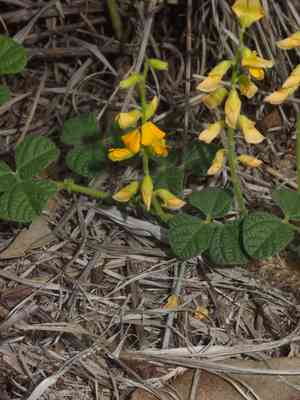
1
Least snout-bean flourishes with over six hours of direct sun exposure each day.
2
Insufficient sunlight can result in underdeveloped growth and sparse blooms for Least snout-bean specimens.
3
Employing shade methods can protect Least snout-bean from sun damage and heat stress during peak summer.
The Importance of Sunlight for the Least Snout-bean
Photosynthesis Process
Sunlight is essential for photosynthesis, enabling the Least snout-bean to convert light energy into chemical energy. This process utilizes sunlight to transform carbon dioxide and water into glucose and oxygen. The glucose generated serves as the plant's primary energy source, ensuring its overall health and development.
Growth and Development
Sufficient sunlight exposure is crucial for the Least snout-bean's growth and development. Adequate light allows the plant to perform photosynthesis effectively, promoting robust stem and leaf growth. Plants receiving proper sunlight tend to be stronger and more resilient, exhibiting a sturdy structure and vibrant foliage.
Flowering and Seed Production
The Least snout-bean needs ample sunlight for flowering and seed production. Sunlight initiates the plant's reproductive cycle, leading to flower formation and subsequent seed development. Without enough light, the plant may produce fewer flowers, resulting in a reduced seed yield.
Optimal Sunlight Exposure for the Least Snout-bean
Ideal Hours of Sunlight
The Least snout-bean thrives with over 6 hours of direct sunlight daily. This full sun exposure is vital for maximizing photosynthesis, leading to vigorous growth and abundant flowering. Plants in areas with insufficient sunlight may show weak stem growth and limited flower production.
Direct vs. Indirect Sunlight
While the Least snout-bean prefers direct sunlight, it can endure indirect light for brief periods. However, extended exposure to indirect light may not provide the energy needed for optimal growth. For best results, ensure the plant receives direct sunlight for most of the day.
Seasonal Sunlight Variations
Seasonal changes can affect the amount of sunlight the Least snout-bean receives. During summer, the plant typically gets ample light due to longer daylight hours. Conversely, winter months might reduce sunlight exposure. To compensate, consider relocating the plant or using supplementary lighting during seasons with less natural light.
Adjusting Sunlight Exposure for the Least Snout-bean
Utilizing Grow Lights
Grow lights are an excellent solution for ensuring the Least snout-bean receives sufficient light, especially in winter or areas with inadequate natural sunlight. Choose full-spectrum grow lights to mimic natural outdoor light, fostering healthy growth and development.
Strategic Garden Placement
Strategically placing the Least snout-bean in your garden can maximize its sunlight exposure. Position the plant in a sunny spot that receives over 6 hours of direct sunlight daily. South-facing locations often provide the most consistent and prolonged light exposure.
Shading Techniques
During hot summer months, the Least snout-bean may benefit from shading to prevent sunburn and heat stress. Using shade cloths or placing the plant near taller plants can help filter intense midday sun while still allowing enough light for photosynthesis.
Indicators of Insufficient Sunlight in Least Snout-bean
Stunted Growth
A primary sign of inadequate sunlight is stunted growth. Without sufficient light, the Least snout-bean may struggle to photosynthesize efficiently, leading to reduced energy production and slower growth rates. The plant may appear smaller and less vigorous with weak stems.
Yellowing Leaves
Yellowing leaves also indicate that the Least snout-bean is not getting enough sunlight. When the plant cannot produce sufficient chlorophyll due to lack of light, leaves begin to turn yellow and may eventually drop. Ensuring ample sunlight helps maintain green, healthy foliage.
Poor Flowering
Insufficient sunlight can also lead to poor flowering. The Least snout-bean may produce fewer flowers or fail to bloom if it doesn't receive enough light for its reproductive processes. Ensuring adequate sunlight exposure is crucial for encouraging abundant blooms and successful seed production.
Can the Least Snout-bean Receive Too Much Sun?
Signs of Sunburn
Yes, the Least snout-bean can get too much sun, resulting in sunburn. Signs of sunburn include brown or scorched leaf edges and spots. To prevent sunburn, provide some shade during the hottest parts of the day, especially during peak summer months.
Heat Stress Symptoms
Heat stress symptoms in the Least snout-bean include wilting, leaf curling, and delayed flowering. Prolonged exposure to high temperatures and intense sunlight can cause these issues, stressing the plant and hindering its growth. Adequate hydration and shading can alleviate heat stress effects.
Preventive Measures
To prevent sunburn and heat stress, consider using shade cloths, providing partial shade during peak sunlight hours, and ensuring the plant is well-watered. Keeping the soil moist helps the Least snout-bean cope with high temperatures and maintain healthy growth.



