Enhancing Your Garden Design with the Least snout-bean Plant: A Landscaping Guide
1
Adding Least snout-bean to your garden enhances its beauty and ecological balance.
2
Innovative uses of Least snout-bean can turn common outdoor areas into remarkable settings.
3
Good upkeep of Least snout-bean guarantees its growth, benefiting local wildlife.
Introducing Least Snout-bean for Landscaping
Overview of Least snout-bean's characteristics
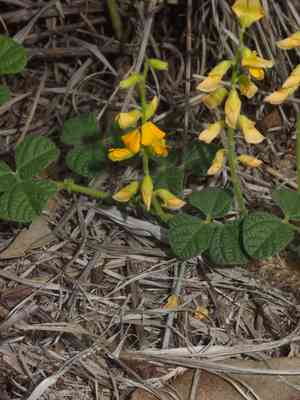
For enhancing your garden with distinctive and resilient plants, Least snout-bean stands out as a versatile and sturdy option. Known for its modest growth, it's a perennial that adapts to various conditions. The plant features trifoliate leaves and small, charming flowers that add subtle elegance to your garden. Its resilience and adaptability make it ideal for gardens facing diverse climatic challenges.
Least snout-bean's aesthetic appeal in gardens
Visual appeal is key in landscaping, and Least snout-bean excels here. Its small, delicate flowers bring elegance to borders and paths, while its foliage offers soft texture and color contrast to bolder plants. Whether you desire a quaint cottage garden or a modern minimalist look, Least snout-bean fits various styles, providing understated charm that boosts overall visual appeal.
General benefits of Least snout-bean in landscapes
Least snout-bean offers benefits beyond its looks. It serves as excellent ground cover, preventing erosion and improving soil health with its deep roots. Incorporating it into your landscape also provides natural weed suppression, saving time and effort. Additionally, it's low-maintenance, thriving with minimal care, making it perfect for both new and experienced gardeners.
Design Concepts Using Least Snout-bean
Integrating Least snout-bean into outdoor living spaces
Outdoor areas like patios, decks, and pergolas can be greatly improved with well-chosen plants. Least snout-bean works exceptionally well in containers or hanging baskets in these spots. Its modest size and delicate flowers offer a beautiful visual accent without overwhelming the area. Being easy to care for, it's a practical choice for adding greenery to busy outdoor spaces where you relax and entertain.
Utilizing Least snout-bean as a border plant
Borders define garden structure, and Least snout-bean is an excellent choice for this role. Its consistent, manageable growth ensures it stays neat, giving paths and flowerbeds a well-kept look. The subtle color and texture of Least snout-bean can also balance more vibrant flowers, creating a cohesive and harmonious garden layout.
Creative ways to feature Least snout-bean in landscape themes
Creative landscaping involves playing with plant textures, colors, and arrangements. Least snout-bean can be a focal point in rock gardens, alpine settings, or even xeriscapes due to its drought tolerance. Pairing it with contrasting plants, like those with broader leaves or brighter blooms, creates dynamic, eye-catching designs. Experimenting with heights and textures allows Least snout-bean to stand out and contribute significantly to your landscape's thematic elements.
Caring for Least Snout-bean in Your Landscape
Basic care practices for Least snout-bean
Caring for Least snout-bean is simple, making it ideal for all gardeners. This plant prefers well-drained soil and tolerates various light, though it thrives best in partial to full sun. Regular watering during dry periods, plus occasional feeding, keeps it healthy and vibrant. Pruning is usually minimal but may be needed to maintain shape and prevent overgrowth.
Seasonal considerations for growing Least snout-bean
Like all plants, Least snout-bean has specific seasonal needs. In warmer climates, ensure ample water during hot summers to prevent stress. In winter, especially in colder areas, mulching around the base protects roots from frost. Despite its hardiness, monitoring weather and protecting it as needed can lead to better growth and blooming year-round.
Common issues and simple solutions
While Least snout-bean is generally trouble-free, it can face challenges like pests, diseases, and poor growing conditions. Common pests include aphids and spider mites, manageable with organic insecticides or natural predators like ladybugs. Ensuring good air circulation and avoiding over-watering can prevent fungal problems. Prompt action with appropriate treatments will help maintain the health and beauty of your Least snout-bean.
Environmental Impact of Least Snout-bean in Your Garden
Ecological benefits of planting Least snout-bean
Planting Least snout-bean in your garden offers numerous ecological advantages. Its roots stabilize soil and prevent erosion, especially on slopes. By improving soil structure and promoting microbial activity, it contributes to healthier soil ecosystems. This helps other garden plants thrive and reduces the need for chemical soil amendments.
Contribution to local biodiversity
Gardens with native plants like Least snout-bean are vital for promoting local biodiversity. It attracts various pollinators, including bees and butterflies, supporting the health and pollination of surrounding flora. Furthermore, it provides habitat and food for local wildlife, fostering a more vibrant and diverse garden ecosystem.
Supporting native wildlife with Least snout-bean
Least snout-bean serves as an important resource for native wildlife. Birds, small mammals, and beneficial insects are drawn to the plant for its seeds and shelter. By including it in your garden, you create a sanctuary that supports local wildlife populations, which in turn helps control pests and promotes a balanced ecosystem. This integration enhances both your garden's beauty and its ecological health.



