How to Prune Least snout-bean?
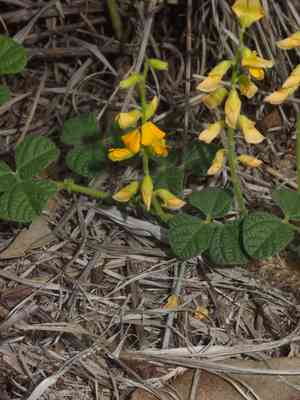
A small leguminous plant, least snout-bean flourishes with little attention. Trim during its active growing period in spring or summer to preserve its form and foster a denser habit. Eliminate any deceased or frail stalks to improve air movement and light exposure, which can deter ailments and increase pod yield. Trimming ought to be gentle, merely sufficient to neaten the plant and stimulate robust new development. This practice not only sustains least snout-bean's visual charm but also enhances its general hardiness.
What Are the Benefits of Pruning Least Snout-bean?
What Are the Benefits of Pruning Least Snout-bean?
Trimming least snout-bean promotes vigorous development and maintains its desired form. Consistent cutting can result in a more robust and visually appealing plant, fostering optimal health and growth.
What Is the Best Time for Pruning Least Snout-bean?
What Is the Best Time for Pruning Least Snout-bean?
Late spring is ideal for pruning least snout-bean as it aligns with the end of its dormant phase and the start of active growth, allowing for rapid wound healing and encouraging new shoots. Early summer also offers a second opportunity for trimming least snout-bean, particularly after the initial growth spurt and before the onset of harsh midsummer conditions. During this period, removing unwanted or excessive growth helps preserve the plant's shape and vitality, reduces disease risk by enhancing air circulation, and directs energy towards developing healthy foliage and roots instead of supporting unproductive or damaged branches.
What Tools Do I Need to Prune Least Snout-bean?
Hand Pruners
Perfect for making precise cuts on least snout-bean's smaller stems and leaves, ensuring minimal harm to the plant.
Pruning Shears
Suitable for cutting through thin stems of least snout-bean, providing accuracy for shaping the plant.
Gloves
Protects the gardener's hands from thorns or rough plant material during the pruning of least snout-bean.
Pruning Saw
Can be used for least snout-bean if there are thicker branches that hand pruners cannot manage effectively.
Loppers
Useful for reaching stems within least snout-bean that are hard to access with hand pruners, offering longer handles for leverage.
How to Prune Least Snout-bean
Sanitize
Before pruning least snout-bean, disinfect pruning tools with a solution like alcohol or bleach to prevent the spread of diseases.
Identify
Examine least snout-bean to locate diseased leaves, withered leaves, and diseased stems. Look for discolored, spotted, or deformed foliage and stems.
Cut Diseased Leaves
Using the sterilized pruning shears, carefully trim off the diseased and withered leaves from least snout-bean at the base of the leaf stalk without harming the main stem.
Cut Diseased Stems
For any diseased stems on least snout-bean, make clean cuts above a healthy node or junction to encourage new growth. If an entire stem is affected, remove it at the base.
Dispose
After pruning, dispose of all removed plant material away from least snout-bean to prevent reinfection or the spread of pests.
Common Pruning Mistakes with Least Snout-bean
Over-Pruning
Removing too much foliage or too many stems at once can stress least snout-bean, potentially leading to weakened growth or reduced flowering.
Improper Cuts
Making cuts that are too close to the main stem or node, or leaving too long a stub, can damage least snout-bean and expose it to pests and diseases.
Tearing Stems
Not using sharp tools can result in tearing of least snout-bean's stems, making the plant more susceptible to disease.
Neglecting Tool Hygiene
Failing to clean and disinfect tools before and after use can spread disease between least snout-bean plants and other species in the garden.
Indiscriminate Pruning
Cutting least snout-bean without a clear objective or understanding of the plant's growth pattern can lead to poor growth structure and less vigor.
Common Pruning Tips for Least Snout-bean
Sharp Tools
Use clean, sharp pruning shears or scissors to make clean cuts that will heal quickly, minimizing the risk of disease.
Selective Thinning
Identify and remove only the necessary parts of least snout-bean, such as damaged or diseased foliage and stems, to improve air circulation and light penetration.
Shaping
Prune least snout-bean to maintain a desired shape and size, especially if grown as a border plant or in a container.
Deadheading
Regularly remove spent blooms to encourage least snout-bean to produce more flowers and to prevent the plant from wasting energy on seed production.
Post-Blooming Care
After least snout-bean blooms, prune to shape the plant and remove old flowers, which encourages a tidier appearance and may promote a second flush of flowers.



