How to Propagate Least snout-bean?
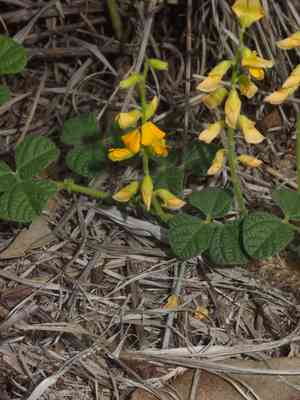
The most effective method for propagating least snout-bean is via seeding. To achieve robust development, employ a growing medium that drains efficiently and confirm the seeds are newly harvested, as this enhances their sprouting potential. It is recommended to lightly blanket the seeds with substrate to encourage ideal growing circumstances. Consistent irrigation to preserve a gentle dampness assists in the germination phase, yet refrain from excessive watering to avert decay. A warm and consistent setting contributes to the comprehensive propagation triumph of least snout-bean.
When Is the Optimal Time to Propagate Least Snout-bean?
Propagation Method
Seeding
Propagation Period
Spring
What Equipment Is Used for Least Snout-bean Propagation?
Seed trays
Seed trays are vital for initiating least snout-bean from seeds. These containers aid in organizing seeds and maintaining consistent conditions during germination. They are particularly beneficial for least snout-bean as they facilitate easy management of the growing medium's moisture and temperature, ensuring higher germination rates.
Quality potting mix
A sterile, nutrient-rich potting medium is essential for sowing least snout-bean seeds. It guarantees the seeds have the best environment for root development and growth. This mix should drain well yet retain sufficient moisture to support the initial stages of least snout-bean's growth.
Misting bottle
A misting bottle is employed to gently water least snout-bean seeds without disturbing them. This tool helps maintain the necessary humidity and moisture level of the potting mix, crucial for least snout-bean's germination. Misting offers a delicate approach compared to traditional watering methods, which might dislodge small seeds.
Labels and markers
Labels and markers are important for identifying and tracking least snout-bean's progress during propagation. They assist in documenting the sowing date and any specific care instructions, which is especially useful when propagating multiple batches or different species alongside least snout-bean.
Heat mat
A heat mat enhances least snout-bean's germination process by providing consistent bottom warmthâa critical element for many seed types. It ensures the soil temperature remains ideal, accelerating germination and boosting the overall propagation success rate for least snout-bean.
Grow lights
If propagating least snout-bean indoors or in low-light conditions, grow lights can supplement natural sunlight, providing the necessary light spectrum for healthy seedling growth and development. They enable year-round propagation by mimicking natural light conditions, crucial for developing strong, healthy least snout-bean plants.
How to Propagate Least Snout-bean?
Propagation Difficulty
Simple
How to Care for Your Newly Propagated Least Snout-bean?
How to Care for Your Newly Propagated Least Snout-bean?
Post-germination, gradually introduce least snout-bean to outdoor conditions if started indoors. Ensure consistent soil moisture and initially provide partial shade to prevent direct sun stress. Gradually increase light exposure to full sun as the plant matures. Regularly inspect for pests and apply organic pest control methods if needed. Fertilize sparingly with a balanced, slow-release fertilizer to support healthy growth without overwhelming the young plant.
Common Mistakes to Avoid When Propagating Least Snout-bean
Overwatering
Excessive watering of least snout-bean can lead to root rot and fungal issues, as this plant prefers well-draining soil and does not tolerate soggy conditions. Too much moisture can compromise the plant's root system, impeding healthy growth and propagation.
Insufficient Light
Propagating least snout-bean in areas with inadequate light can result in weak, leggy growth, diminishing the plantâs overall vigor. This makes it less likely to establish successfully when propagated, as it requires ample light to produce energy for growth and development.
Excessive Use of Fertilizers
Applying too much fertilizer during least snout-bean propagation can cause nutrient burn and osmotic stress, negatively impacting delicate new roots attempting to establish. This can ultimately lead to poor plant health and propagation failure.
Tips For Propagating Least Snout-bean
Soil Composition
Utilize a well-draining soil mix when propagating least snout-bean to prevent waterlogging and support robust root development. Adding perlite or sand can enhance drainage and aeration, vital for the plantâs root health.
Light Conditions
Provide least snout-bean with ample indirect bright light during propagation to encourage vigorous and strong growth. This is crucial for enabling the plant to generate sufficient energy, promoting successful establishment and future growth.
Moderate Fertilization
Apply a balanced, mild fertilizer to least snout-bean once roots have established. A conservative approach is beneficial, helping to avoid overwhelming the plant with excessive nutrients which can be detrimental to its development during the critical propagation phase.



