The Least snout-bean Plant Advantage: Maximizing Home and Office Appeal and Wellness
1
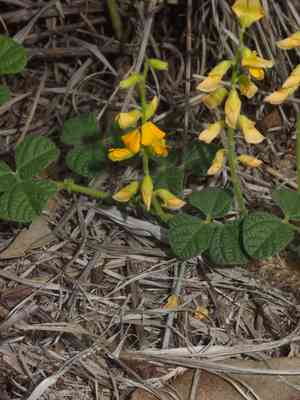
Least snout-bean is recognized for its capacity to fix nitrogen, enhancing soil richness.
2
This plant tolerates dry conditions, making it suitable for arid climates.
3
Least snout-bean provides an essential food supply for diverse animal species.
What Are the Ecological Benefits of Least snout-bean?
Improving Soil Fertility
A key characteristic of Least snout-bean is its capacity to fix nitrogen in the soil. Nitrogen fixation is a natural process where the plant converts atmospheric nitrogen into a usable form for absorption by plants. This enriches the soil, lessening the need for synthetic fertilizers. Consequently, crops grown near Least snout-bean often show improved growth and higher yields.
Combating Soil Erosion
The root system of Least snout-bean is particularly effective at binding soil particles, thereby reducing erosion. This is especially advantageous in areas prone to erosion from heavy rain or wind. By cultivating Least snout-bean, landowners can safeguard their soil resources, ensuring long-term agricultural productivity and environmental stability.
How Does Least snout-bean Promote Biodiversity?
Providing Habitat and Food
Least snout-bean plays a crucial role in supporting local wildlife. Its blossoms attract pollinators like bees and butterflies, while its foliage serves as a food source for herbivores. Furthermore, the plant's dense growth offers refuge for small animals and insects, thereby boosting local biodiversity.
Supporting Pollinators
Pollinators such as bees are essential for the health of ecosystems and agriculture. The flowers of Least snout-bean are especially appealing to these vital creatures. By planting Least snout-bean, you can help sustain healthy pollinator populations, which in turn supports the growth and reproduction of many other plants.
Can Least snout-bean Thrive in Arid Conditions?
Drought Resistance
Least snout-bean is well-adapted to survive in dry and semi-dry conditions. Its ability to endure extended periods without water makes it an excellent choice for regions experiencing water scarcity. This drought resistance ensures that Least snout-bean can provide consistent benefits even in challenging environmental circumstances.
Minimal Maintenance
Unlike many other plants that demand constant care and irrigation, Least snout-bean requires relatively little upkeep. Once established, it can flourish with minimal intervention, making it an ideal option for busy farmers and gardeners seeking sustainable and low-effort crops.
What Are the Agricultural Applications of Least snout-bean?
Intercropping Benefits
Intercropping with Least snout-bean can offer numerous advantages for farmers. By planting it alongside other crops, farmers can enhance soil health, decrease pest populations, and increase overall crop yields. This symbiotic relationship helps create a more resilient and sustainable agricultural system.
As Cover Crops
Least snout-bean can also be utilized as a cover crop to protect soil during off-seasons. Cover cropping with Least snout-bean not only prevents soil erosion but also adds organic matter to the soil, improving its structure and fertility for future planting seasons.
How Can Gardeners Benefit from Planting Least snout-bean?
Enhancing Garden Soil
Gardeners can significantly benefit from introducing Least snout-bean into their plots. The plant's nitrogen-fixing capabilities enrich the soil, leading to healthier and more productive garden plants. Additionally, its drought-resistant nature ensures that your garden remains vibrant even during dry spells.
Attracting Beneficial Insects
By planting Least snout-bean in their gardens, gardeners can attract a wide range of beneficial insects, such as pollinators and predatory insects that help control pest populations. This natural form of pest control reduces the need for chemical pesticides, promoting a more organic and eco-friendly gardening approach.



