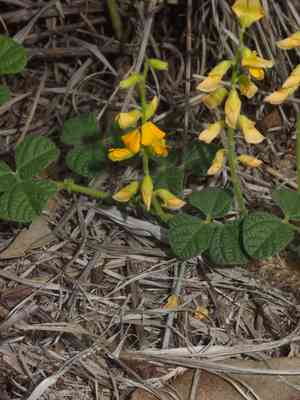
Least snout-bean (Rhynchosia minima)
Also known as: Jumby-bean, Wilde pinda, Wartherb
The least snout-bean (Rhynchosia minima) is a legume often utilized as a nutritious forage for livestock. This vine is widespread across various continents and has become naturalized in places like Hawaii. The Latin prefix "Rhync" in its scientific name is derived from the Greek word "rhynchos," referring to the beak-like shape of its seed pods. The specific epithet "minima" points to the plant's overall small size, including its flowers, seeds, and pods.
In This Article
Attributes of Least snout-bean
Lifespan
Perennial
Plant Type
Herb, Vine, Shrub
Plant Height
1.2 m
Spread
N/A
Leaf Color
Green
Flower Size
2.5 cm
Flower Color
Yellow
Images of Least snout-bean
Quickly Identify Least snout-bean
1
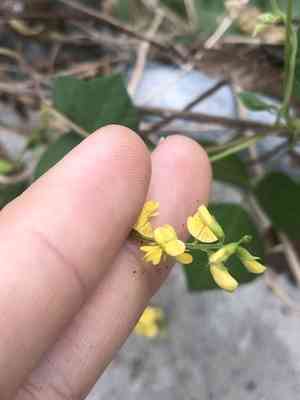
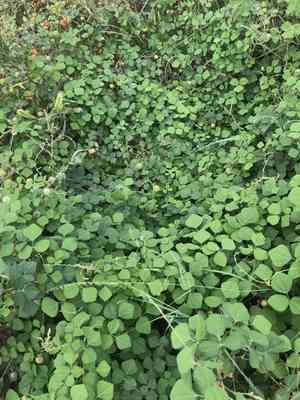
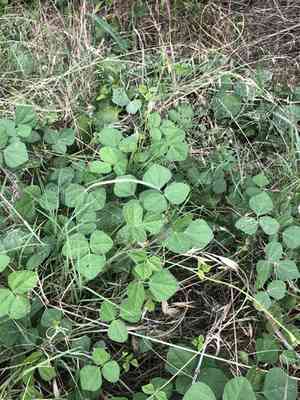
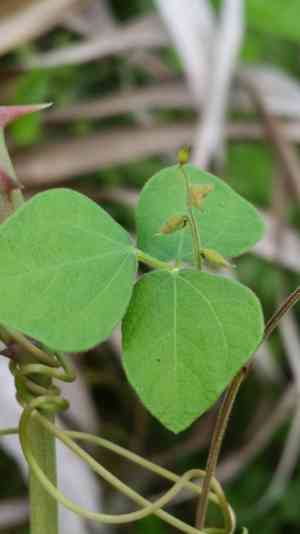
Rhynchosia minima can be identified by its small, trifoliate leaves, each leaflet being obovate to elliptical. The plant produces small yellow flowers typically grouped in clusters and has a climbing or twining habit.
Scientific Classification of Least snout-bean
Phylum
Vascular plants
Class
Dicotyledons
Order
Fabales
Family
Legume
Genus
Snoutbean
Species
Least snout-bean
Planting and Growing of Least snout-bean
Care Difficulty
Easy
Watering Schedule
Every day
Sunlight Requirements
Full sun
Sunshine Duration
4-8 hours
Ideal Temperature
60-85℉
Soil Type
Potting Mix, Peat Mix
Soil pH
6.5-7.5
Fertilizer Type
Balanced
Pruning Season
Spring, Summer
Pruning Area
Branches, Leaves
Pruning Frequency
2 times a year
Repotting Season
Spring
Pot Type
Plastic, Ceramic
 How to Water Least snout-bean?
Rhynchosia minima enjoys moderate watering, where you should ensure the soil is moist but not waterlogged. This amounts to about 250 ml per watering session. Make sure the top inch of the soil feels dry before the next watering to prevent root rot.
What are the symptoms of an underwatered Least snout-bean?
›
What should I do if my Least snout-bean is not getting enough water?
›
What are the symptoms of an overwatered Least snout-bean?
›
How to save an overwatered Least snout-bean?
›
 What Are the Sunlight Requirements for Least snout-bean?
Rhynchosia minima thrives in full sun to partial sun conditions, benefiting from vibrant leaf color and robust growth when adequately illuminated.
More About Sunlight Requirements Techniques→
What is the best lighting solution?
›
How to achieve optimal light exposure?
›
What benefits arise from ideal lighting?
›
 What Is the Ideal Temperature Range for Least snout-bean?
The ideal temperature range for Rhynchosia minima is between 60°F and 85°F. Within this range, the plant can thrive and exhibit optimal growth characteristics, such as healthy foliage and robust flowering. Maintaining consistent temperatures in this range minimizes stress on the plant, promotes efficient photosynthesis, and aids in nutrient uptake, all of which are pivotal for the vigorous growth and longevity of Rhynchosia minima.
 What Soil is Best for Least snout-bean?
Rhynchosia minima thrives in well-draining soils that prevent waterlogging. This is crucial as it reduces the risk of root rot, allowing the plant to establish a strong root system and grow vigorously. For optimal growth, the soil should be rich in organic matter. This boosts the availability of essential nutrients, enhancing plant health and improving drought resistance. Maintaining a pH level between 6.5 and 7.5 ensures that nutrient uptake is efficient. This balance is critical for the plant's overall well-being, promoting vibrant foliage and steady growth.
 How to Fertilize Least snout-bean?
For Rhynchosia minima, it is advisable to use a balanced fertilizer at a concentration of 1/2 the recommended strength for most plants. This ensures that the plant receives adequate nutrition without risking nutrient burn. This species is typically not very nutrient-demanding, making excessive fertilization unnecessary.
 How to Prune Least snout-bean?
Start by examining the plant for any dead or diseased branches. Identify these sections by checking for discoloration and a lack of foliage. Use clippers to cut off the dead and diseased branches at their base. Focus on areas that are overcrowding and aim to open up the plant's center for better air circulation and exposure to sunlight. After removing problematic branches, gently shape the plant by cutting back excessive growth. Aim to keep the plant's natural shape intact while ensuring it doesn’t become overwhelmingly dense.
More About Pruning Techniques→
 How to Propagate Least snout-bean plant?
1
Before sowing the seeds of Rhynchosia minima, it is beneficial to soak them in warm water for 24 hours. This softens the seed coat and can improve germination rates by initiating the water uptake process.
2
Select healthy, disease-free stems from the parent plant for cuttings. Each cutting should be around 10-15 cm long with at least two nodes, and the bottom should be cut at a 45-degree angle.
3
After placing seeds or cuttings in the potting mix, lightly water them to maintain moisture. Ensure the soil is moist but not soggy to encourage root establishment and growth.
 How to Repot Least snout-bean plant?
1
Repot Rhynchosia minima when you notice roots growing out of the drainage holes or the plant becoming root-bound. This is generally indicated by stunted growth, excessively fast-drying soil, or difficulty in watering. These are cues that the plant has outgrown its current container.
2
Select a pot that is one to two inches larger in diameter than the current one. Ensure it has ample drainage holes to prevent waterlogging. A pot that allows air circulation helps roots breathe and prevents root rot, promoting a healthy growing environment for Rhynchosia minima.
3
Opt for a well-draining sandy mix with adequate organic matter. Such soil ensures that excess moisture can escape while retaining enough moisture and nutrients for the plant's development. This prevents issues like waterlogging and root rot, common in overly dense soils.
Toxicity
Ingestion
WARNING
The judgment on toxicity and danger is for reference only. We DO NOT GUARANTEE any accuracy of such judgment. Therefore, you SHALL NOT rely on such judgment. It is IMPORTANT TO SEEK PROFESSIONAL ADVICE in advance when necessary.
Learn More About Least snout-bean Diseases
Anthracnose
Bacterial Leaf Spot
Bacterial Wilt
Crown Gall
Cyst Nematode
Damping-off
Downy Mildew
Drought Stress
Fusarium Wilt
Gray Mold
Leaf Curl
Leaf Spot
Mosaic
Nutrient Deficiency
Nutrient Toxicity
Powdery Mildew
Root Rot
Root-knot Nematode
Rusts
Sooty Mold
Spider Mites
Temperature Stress
Thrips Damage
White Mold
Chemical Injury



