How Much Sunlight Do Fringed polygala Need?
1
Fringed polygala flourishes optimally in dappled light, shunning intense sun exposure.
2
Excessive sunlight can lead to scorching, particularly for sensitive flora such as Fringed polygala.
3
Relocate containerized Fringed polygala to modify its light access, guaranteeing it receives under 3 hours of direct solar rays.
Optimal Light Conditions for Fringed Polygala
Partial Shade Preference
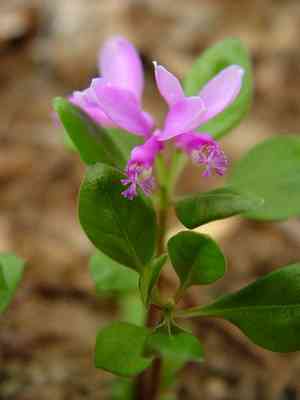
The Fringed polygala, known for its delicate beauty and unique fringed flowers, thrives best in partial shade. This environment mimics its natural woodland habitat, providing dappled light similar to what filters through forest canopies. For optimal growth, aim to provide your Fringed polygala with less than 3 hours of filtered sunlight each day. Direct sun exposure should be avoided as much as possible to keep the plant healthy and vibrant. While the plant does tolerate some light, its preference is for shaded areas where sunlight is not intense.
Avoiding Direct Sunlight
Direct sunlight can be harsh for the Fringed polygala. Prolonged exposure to direct sun rays can cause the foliage to scorch, leading to unsightly brown patches and overall declining plant health. Instead, situate the plant in a location where it can benefit from indirect light. Instances like placing it near a north-facing window or under the semi-shaded canopy of larger plants can provide the necessary protection and the ideal lighting condition.
Consequences of Excessive Sun Exposure for Fringed Polygala
Signs of Sunburn
Too much sunlight can lead to sunburn on the Fringed polygala. Signs of sunburn may include browning or crispy edges on the leaves, which can detract from the plant's overall aesthetic appeal. If you notice these signs, it is a clear indicator that the plant is receiving more sunlight than it can tolerate. Moving the plant to a shadier location promptly can help it recover and prevent further damage.
Potential Damage to Leaves and Flowers
Excessive sun exposure doesnât only affect the leaves; the delicate flowers of the Fringed polygala can also suffer damage. Flowers may wilt and drop prematurely, hindering the plantâs blooming cycle. This can be particularly disheartening for gardeners who cultivate this plant for its unique and striking blooms. Carefully monitoring and adjusting the plantâs light exposure can help preserve both its leaves and flowers.
Indoor vs. Outdoor Sunlight Exposure
Optimal Indoor Light Conditions
When growing Fringed polygala indoors, itâs important to replicate its natural habitat as closely as possible. This means providing ambient light rather than direct sun. Position your plant close to a north-facing window where it can receive gentle, diffused light throughout the day. If a suitable window isnât available, supplementing with artificial grow lights set to low intensity can also be beneficial.
Best Outdoor Locations for Fringed Polygala
Outdoors, the Fringed polygala should be planted in an area that offers ample shade. Ideal spots include locations under deciduous trees or larger shrubs that provide filtered sunlight throughout the day. Gardens with a mix of sunlight and shade, such as those near buildings or garden structures providing intermittent shade, are perfect. Always ensure that the plant is shielded from the harsh midday sun to prevent damage.
How to Adjust Sunlight Exposure for Fringed Polygala
Using Shade Cloth or Netting
One effective method to control sunlight exposure is by using shade cloth or netting. These materials can be draped over the plant or installed as a canopy to filter sunlight and reduce its intensity. Shade cloths are available in different densities, allowing you to customize the amount of light penetration and providing flexibility to adjust according to seasonal changes. This can be particularly useful in regions with intense summer sunlight.
Moving Potted Plants For Ideal Light
For potted Fringed polygala, adjusting the plant's location is an easy way to manage light exposure. During peak sun hours, especially in the afternoon, move your potted plant to shaded areas to protect it from the intense rays. This practice is especially crucial in hotter climates where the sun's intensity can be high and prolonged. Try to maintain a consistent pattern of moving the plant to reduce stress from sudden changes in light exposure.



