How to Prune Fringed polygala?
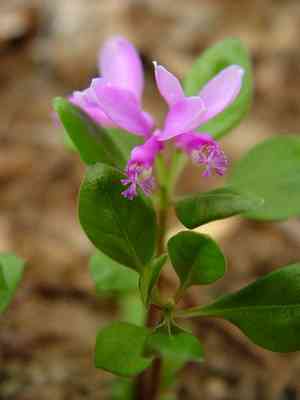
This fragile, forest-dwelling perennial is recognized for its vivid pink to violet blossoms that mimic tiny orchids. The best approach to pruning fringed polygala includes removing faded blooms to stimulate further flowering and lightly shaping the plant after its blooming period to preserve its form. Perform pruning in spring, summer, or autumn, coinciding with periods of active development and steering clear of winter to avert strain. Pruning aids fringed polygala by fostering robust development, boosting its capacity to flower, and decreasing susceptibility to illness.
What Are the Benefits of Pruning Fringed Polygala?
What Are the Benefits of Pruning Fringed Polygala?
Trimming fringed polygala encourages robust, strong development and maintains its preferred shape. Regular trimming of fringed polygala ensures a healthy plant structure and visual appeal, contributing to its overall vigor and garden presentation.
What Is the Best Time for Pruning Fringed Polygala?
What Is the Best Time for Pruning Fringed Polygala?
Trimming fringed polygala in late spring coincides with the period after flowering, allowing vital energy to be redirected towards new growth and plant strength instead of seed production. This timing also avoids disrupting the early spring blossoms. Early fall, after fruiting, is also beneficial as it permits shaping and removal of any dead or damaged growth before the plant enters dormancy in winter. Both seasons ensure minimal stress on fringed polygala, promoting health and longevity while preserving its ornamental value.
What Tools Do I Need to Prune Fringed Polygala?
Hand Pruners
Perfect for making precise cuts on fringed polygala's smaller stems and for removing spent flowers. Ergonomic designs enhance comfort during use.
Bypass Pruners
Deliver a clean cut without crushing fringed polygala's delicate stems, making them ideal for encouraging healthy growth.
Pruning Snips
Best for reaching confined areas within fringed polygala's growth to snip small stems and remove faded blooms without harming adjacent foliage.
Gloves
Protect hands from thorns or sharp edges while trimming fringed polygala.
How to Prune Fringed Polygala
Cleanup
Examine fringed polygala for any indications of diseased leaves and branches. Using sanitized pruning tools, carefully remove these parts to prevent disease spread.
Shape
Identify any dead or withered leaves, as well as any dead branches on fringed polygala. Trim these parts back to living growth or the nearest healthy stem or node to maintain the plant's health and appearance.
Thinning
Thin out congested areas of fringed polygala to improve air circulation, which can lessen the risk of disease. Remove some of the inner branches that are crossing or rubbing against each other.
Cutting Technique
Utilize sharp, clean pruning shears for smaller stems, and loppers for thicker branches on fringed polygala. Make cuts at a 45-degree angle, approximately 1/4 inch above a bud that faces the outside of the plant to encourage outward growth.
Cleanup After Pruning
After trimming fringed polygala, clear away all removed plant debris from the area to reduce the likelihood of pest and disease issues. Disinfect your tools after use to prevent cross-contamination.
Common Pruning Mistakes with Fringed Polygala
Overpruning
Excessive removal of branches can stress fringed polygala, leading to poor growth and reduced flowering. It's crucial not to remove more than a third of the plant at a time.
Cutting Too Close
Trimming too near the main stem or buds can harm the plant. It's important to make cuts just above the leaf nodes to promote healthy regrowth.
Using Dull Tools
Blunt pruning tools may cause ragged cuts that can make fringed polygala vulnerable to diseases. Always use sharp, clean tools to make clean cuts.
Ignoring Dead Or Diseased Wood
Failing to remove dead or diseased wood can impede fringed polygala's health and aesthetic appeal. Regular inspection and removal of such material are vital.
Neglecting Shape
Lack of attention to the natural form of fringed polygala during trimming can result in an unbalanced and unattractive appearance. Pruning should enhance the plant's shape, not detract from it.
Pruning Without A Plan
Random or unplanned trimming can lead to uneven growth and a lack of blooms. It is important to have a clear idea of the desired outcome before beginning to prune.
Common Pruning Tips for Fringed Polygala
Timing
Trim fringed polygala immediately after flowering to shape the plant and encourage new growth without affecting next year's blooms.
Selective Thinning
Selective thinning of older stems can revitalize fringed polygala and improve air circulation, which can help prevent fungal diseases.
Cut At An Angle
Make cuts at a 45-degree angle just above a set of leaves or a node to promote water runoff and minimize the risk of disease.
Cleanliness
Sterilize pruning tools before and after use to prevent the spread of disease between plants. Use a solution of one part bleach to nine parts water or rubbing alcohol to disinfect.
Maintenance Pruning
Regular maintenance trimming, such as removing spent flowers and deadheading, encourages fringed polygala to produce more blooms and maintains a tidier appearance.
Preserve Foliage
Ensure to maintain enough healthy leaves on fringed polygala to sustain growth. Foliage is essential for photosynthesis and the overall health of the plant.



