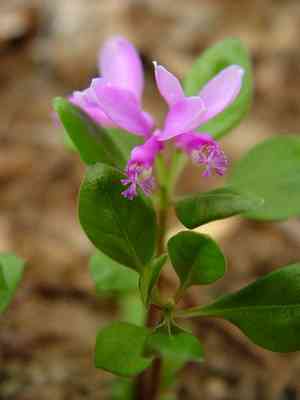
Fringed polygala (Polygaloides paucifolia)
Also known as: Bird-On-The-Wing, Gay Wings
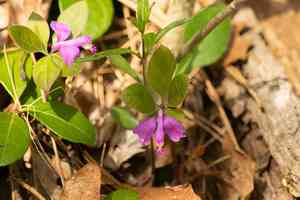
Fringed polygala (Polygaloides paucifolia) is a perennial wildflower that typically reaches a height of 8 to 15 cm. It produces orchid-like flowers in pinkish-white hues, resembling tiny birds in flight, blooming from spring through summer. This plant thrives in partial to full shade and prefers moist, acidic soil.
In This Article
Attributes of Fringed polygala
Lifespan
Perennial
Plant Type
Herb
Plant Height
8 cm to 18 cm
Spread
3 m
Leaf Color
Green
Flower Size
2.5 cm
Flower Color
Purple Red
Images of Fringed polygala
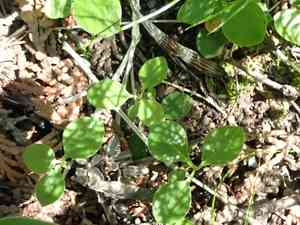
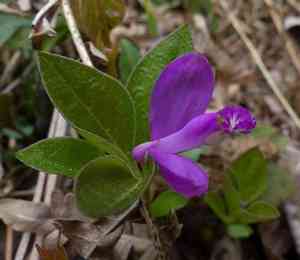
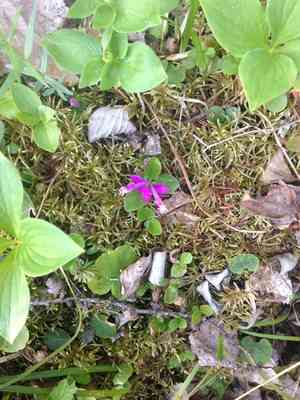
Quickly Identify Fringed polygala
1
Look for low-growing plants with pairs of oval-shaped leaves and unique pink, fringed flowers that somewhat resemble the wings of an airplane. The flowers typically appear in spring.
Scientific Classification of Fringed polygala
Phylum
Vascular plants
Class
Dicotyledons
Order
Fabales
Family
Milkwort
Genus
Milkworts
Species
Fringed polygala
Planting and Growing of Fringed polygala
Care Difficulty
Easy
Watering Schedule
Every 2 days
Sunlight Requirements
Partial sun
Sunshine Duration
4-6 hours
Ideal Temperature
60-75℉
Soil Type
Potting Mix, Peat Mix
Soil pH
4.5-6
Fertilizer Type
Balanced
Pruning Season
Spring, Summer
Pruning Area
Branches, Leaves
Pruning Frequency
2 times a year
Repotting Season
Spring
Pot Type
Plastic, Terracotta
 How to Water Fringed polygala?
For Polygaloides paucifolia, it is crucial to provide just the right amount of water. Aim for around 100 ml of water per session. Water until the soil is evenly moist, ensuring not to oversaturate the soil, which can cause root rot. Always check the soil moisture before watering again, allowing the top layer to dry out slightly.
What are the symptoms of an underwatered Fringed polygala?
›
What should I do if my Fringed polygala is not getting enough water?
›
What are the symptoms of an overwatered Fringed polygala?
›
How to save an overwatered Fringed polygala?
›
 What Are the Sunlight Requirements for Fringed polygala?
The plant prefers partial sun to full shade, ensuring its exposure to not more than 3-6 hours of gentle light daily. Such a light range helps maintain the foliage's vibrancy and prevents energy depletion caused by excessive sun exposure.
More About Sunlight Requirements Techniques→
What is the best lighting environment?
›
How can I achieve the ideal light conditions?
›
What are the benefits of ideal light conditions?
›
 What Is the Ideal Temperature Range for Fringed polygala?
For optimal growth of Polygaloides paucifolia, maintaining a temperature range of 60 to 75°F is crucial. This range provides the necessary warmth that allows the plant to thrive, promoting healthy leaf development and flower production.
 What Soil is Best for Fringed polygala?
Polygaloides paucifolia thrives in soils that can retain moisture without becoming waterlogged. This balances its need for adequate hydration while preventing root rot, enhancing its delicate bloom production. Requires nutrient-rich soil to support its growth. A well-fertilized environment ensures the plant receives essential nutrients, promoting healthy foliage and vibrant flowering. Prefers well-draining soil, crucial for preventing water stagnation around the roots. This feature helps maximize root aeration and prevents diseases related to over-saturation.
 How to Fertilize Fringed polygala?
For Polygaloides paucifolia, moderate fertilization is essential. Use a balanced, water-soluble fertilizer with an N-P-K ratio of 10-10-10. Apply at the rate of half a teaspoon per gallon of water to avoid over-fertilization, which can harm the delicate root system.
 How to Prune Fringed polygala?
Look for any dead or damaged branches first. These should be removed to improve the plant's overall health and appearance. Then, trim any overly long stems to maintain the compact form. Avoid excessive pruning. Generally, remove no more than a third of the plant's growth at a time. This ensures the plant remains healthy and can continue to photosynthesize effectively.
More About Pruning Techniques→
 How to Propagate Fringed polygala plant?
1
Start by filling seed trays with a well-draining potting mix. Firm the soil lightly and water it thoroughly to ensure it’s evenly moist. This provides an ideal environment for the seeds to germinate.
2
Sow the seeds evenly across the surface of the moist soil in the seed trays. Lightly cover them with a thin layer of soil. The seeds require light and warmth to germinate, typically taking a few weeks.
3
During early spring, carefully dig up Polygaloides paucifolia. Use a sharp knife or spade to divide the plant into sections, each with roots and shoots. Replant them immediately in a prepared bed.
 How to Repot Fringed polygala plant?
1
Repot Polygaloides paucifolia when you notice it's root-bound, meaning the roots are visibly growing out of the drainage holes or circling the pot interior. Another sign is reduced growth even in optimal conditions. It's usually best done in spring when the plant is naturally ready to adapt to changes.
2
Select a pot that's one size larger than the current one, with good drainage holes. A slightly bigger pot encourages proper root expansion, reduces the risk of root rot, and ensures the plant receives adequate nutrients without waterlogging.
3
Choose a well-draining acidic soil mix, such as one containing peat or sphagnum moss. This type of soil prevents water stagnation, reducing the risk of root rot, and mimics the plant's natural habitat, promoting optimal growth conditions.
Learn More About Fringed polygala Diseases
Anthracnose
Bacterial Leaf Spot
Bacterial Wilt
Crown Gall
Cyst Nematode
Damping-off
Downy Mildew
Drought Stress
Fusarium Wilt
Gray Mold
Leaf Spot
Mosaic
Nutrient Deficiency
Nutrient Toxicity
Powdery Mildew
Root Rot
Root-knot Nematode
Rusts
Sooty Mold
Spider Mites
Temperature Stress
Thrips Damage
White Mold



