Enhancing Your Garden Design with the Fringed polygala Plant: A Landscaping Guide
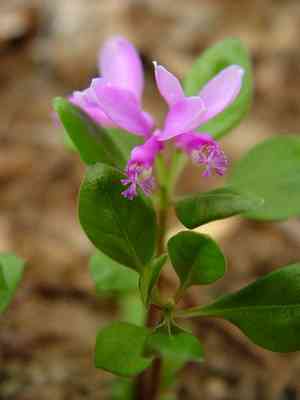
1
Identify optimal planting periods for Fringed polygala to enhance development and aesthetic appeal.
2
Correct irrigation and nutrient application methods are crucial for sustaining Fringed polygala's vitality.
3
Integrate Fringed polygala into diverse garden designs and areas for distinctive landscape elements.
Nurturing Fringed Polygala for Consistent All-Season Appeal
Irrigation methods specific to Fringed polygala
Watering stands as a crucial element in Fringed polygala care. This plant thrives in consistently moist soil, making regular irrigation vital, especially during dry periods. Aim to thoroughly water Fringed polygala once or twice weekly, ensuring the soil remains uniformly damp. Avoid overhead watering, which can foster fungal issues; instead, employ a soaker hose or drip system to deliver water directly to the root zone. Mulching around the base can also aid in retaining soil moisture and reducing frequent watering needs.
Fertilization: Timing and quantity for Fringed polygala's optimal health
To maintain Fringed polygala's vitality, providing the correct nutrients is essential. A balanced, slow-release fertilizer applied in spring can supply vital nutrients throughout the growing season. Alternatively, organic options like compost or aged manure effectively enrich the soil. Be cautious not to over-fertilize, as this can lead to excessive leaf growth at the expense of blooms. Always adhere to the manufacturerâs guidelines or consult a local gardening expert to determine the best feeding regimen for your specific garden conditions.
Pruning advice for maintaining Fringed polygala's form and dimensions
Regular pruning is key to preserving Fringed polygala's desired shape and size. Trim back dead or damaged branches in late winter or early spring before new growth emerges. This promotes a flush of healthy new growth and prevents disease. Light trimming during the growing season can help maintain shape and encourage denser growth, while more significant pruning might be necessary if the plant becomes too large or unruly. Using sharp, clean tools will ensure precise cuts and minimize infection risk.
Utilizing Fringed Polygala for Distinctive Landscape Elements
Creating focal points with Fringed polygala in your garden
Fringed polygala can serve as a striking focal point in various garden designs. Consider planting a cluster of Fringed polygala in a prominent location, such as near a garden bench or along a pathway, where its delicate blossoms can be admired closely. This plant's unique appearance makes it perfect for attracting attention and generating interest. Use contrasting foliage and textures around Fringed polygala to amplify its visual impact and make it the centerpiece.
Employing Fringed polygala for borders and natural privacy screens
Incorporate Fringed polygala into garden borders and as natural privacy screens to maximize its landscaping potential. Planting Fringed polygala in staggered rows along the edges of your garden helps define areas and creates a natural, flowing barrier. For privacy screens, layer Fringed polygala with taller shrubs or trees to achieve both height and depth. This approach offers visual appeal and enhances privacy without requiring artificial structures.
Innovative methods to integrate Fringed polygala into compact areas
Even with a small garden or limited space, you can still enjoy Fringed polygala's beauty. Plant Fringed polygala in decorative containers or window boxes to bring splashes of color to patios, balconies, or other confined spaces. Use hanging baskets to display its trailing habit and add vertical interest. The key is to be imaginative with your spatial arrangements, ensuring Fringed polygala receives adequate light and care while making a bold statement in your garden.



