How to Propagate Fringed polygala?
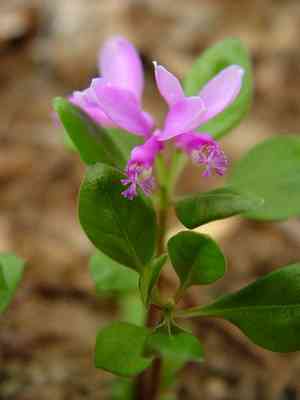
Originating from forested regions, fringed polygala, celebrated for its distinctive, fringed blossoms, thrives when propagated via cuttings. For propagation, choose a robust stem, sever it beneath a leaf joint, and embed it in porous soil abundant in organic material. Maintain moisture for the cutting and ensure it receives filtered sunlight to encourage root development. Diligent attention facilitates a smooth transfer to a fresh cultivation site, enabling fringed polygala to prosper.
What Is the Best Time To Propagate Fringed Polygala?
Propagation Type
Cutting
Propagation Season
Spring,Summer
What Tools Are Used in Fringed Polygala Propagation?
Sharp Pruning Shears
Crucial for taking cuttings, sharp pruning shears guarantee clean and precise cuts, minimizing harm to fringed polygala's delicate stems. A clean cut helps prevent infection and promotes quicker healing and rooting.
Rooting Hormone
This chemical encourages root development in cuttings of fringed polygala. Applying a rooting hormone to the cut end of a stem helps to increase the chances of successful root formation, essential for the survival and establishment of new plants.
Sterile Potting Mix
Using a sterile, well-draining potting mix ensures that fringed polygala cuttings are planted in an environment free from pathogens and pests. This supports healthy root development without the risk of disease that could compromise the cutting.
Plastic Pots or Trays
Suitable for holding the sterile potting mix and fringed polygala cuttings. They should have adequate drainage holes to avoid waterlogging, which can lead to rot and other moisture-related issues.
Humidity Dome or Plastic Wrap
Maintaining high humidity around fringed polygala cuttings is crucial for preventing moisture loss from leaves before roots have formed. A humidity dome or loosely placed plastic wrap over the pot can create a conducive microenvironment for root development.
How to Propagate Fringed Polygala?
Propagation Type
Easy
How to Care for Your Newly Propagated Fringed Polygala?
How to Care for Your Newly Propagated Fringed Polygala?
Once roots are established, gradually acclimate fringed polygala to less humid conditions by removing the plastic cover. Transplant the new plants into their final growing locations in partial shade with good drainage. Maintain moist soil conditions, especially during dry periods, and apply a balanced fertilizer monthly during the growing season to support healthy growth.
Common Mistakes to Avoid When Propagating Fringed Polygala
Overwatering
Watering fringed polygala excessively can lead to root rot, a common issue where the roots deteriorate due to too much moisture, impairing the plant's ability to absorb nutrients and ultimately reducing propagation success.
Using unsuitable soil medium
Choosing a soil medium that doesn't drain well can retain too much moisture for fringed polygala, leading to similar issues as overwatering, such as root rot and fungal infections.
Deep planting of seeds
Burying the seeds of fringed polygala too deeply can prevent them from receiving sufficient light, which is necessary for germination, thereby reducing the chances of successful propagation.
Neglecting humidity requirements
Fringed polygala thrives in environments with specific humidity levels. Ignoring these requirements can stress the plants, hindering their growth and reducing the effectiveness of propagation.
Tips For Propagating Fringed Polygala
Appropriate moisture level
Maintaining a balanced moisture level is crucial for fringed polygala. The soil should be moist but not waterlogged to support healthy root development without the risks associated with overwatering.
Use of a well-draining soil
Using a light, well-draining soil mix helps prevent water accumulation around the roots of fringed polygala, which supports healthy growth and reduces the risk of soil-borne diseases.
Surface sowing
Seeds of fringed polygala should be sown on the surface of the soil and lightly pressed into the substrate. This exposure to light is essential for their germination.
Maintaining optimal humidity
Ensuring the surrounding environment has the right level of humidity is key to the successful propagation of fringed polygala. Utilizing tools like humidity trays or enclosing the planting area can help maintain these conditions.



