The Fringed polygala Plant Advantage: Maximizing Home and Office Appeal and Wellness
1
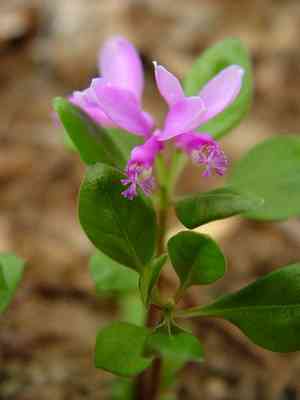
This plant is recognized for its vivid blooms, making it a desirable ground-covering option.
2
It possesses advantageous constituents utilized by traditional medicine practitioners.
3
It flourishes across diverse soil types, simplifying its cultivation.
What Makes Fringed polygala Stand Out?
Vivid Blooms and Visual Appeal
A prominent feature of Fringed polygala is its stunning blossoms. The plant showcases eye-catching, fringed petals in shades from pink to purple, frequently accented by a distinct white core. These flowers not only introduce color to woodland gardens but also draw in pollinators, making them a crucial part of local ecosystems.
Versatility in Various Soil Types
Another compelling aspect of Fringed polygala is its flexibility. Unlike many other ground cover species that demand specific soil conditions, Fringed polygala can flourish in diverse environments, including sandy, loamy, and slightly acidic soils. This adaptability makes it an excellent option for gardeners aiming to fill spaces where other plants might struggle.
The Ecological Importance of Fringed polygala
Supporting Pollinators
Fringed polygala plays a vital role in sustaining local pollinator populations. Its vibrant blooms attract bees, butterflies, and other pollinators, which are essential for the reproduction of numerous plant species. By cultivating Fringed polygala in your garden, you're not only enhancing its beauty but also contributing to the health and longevity of nearby flora.
Preventing Soil Erosion
The dense growth habit of Fringed polygala makes it particularly effective at preventing soil erosion. Its extensive root system binds the soil, reducing the risk of erosion caused by wind and water. This characteristic is especially beneficial in wooded areas and sloped terrains where soil erosion can be a significant issue.
How Can You Successfully Grow Fringed polygala?
Optimal Growing Conditions
Fringed polygala thrives best in well-drained soil with moderate moisture levels. While it can tolerate a range of soil types, it prefers locations that mimic its natural woodland habitat â shaded or partially shaded areas with filtered sunlight. Incorporating organic matter like compost into the soil can further boost its growth.
Propagation Techniques
Propagating Fringed polygala can be achieved through seed sowing or root division. Seed sowing is best done in the fall, allowing the seeds to undergo natural stratification over winter. Root division, conversely, should be performed in early spring before the plant begins its active growth phase. Both methods require patience and care but can yield beautiful outcomes.
Traditional Uses of Fringed polygala
Cultural Significance
Fringed polygala has been highly valued in various cultural traditions for its unique attributes. Indigenous communities have long utilized it for diverse non-medical purposes, ranging from crafting to ceremonial applications.
Crafting and Decorative Uses
The plant's attractive foliage and flowers have found their way into traditional crafting and decorative applications. Its dried flowers are often incorporated into ornaments and herbal wreaths, adding a touch of natural elegance to home décor.



