How Much Sunlight Do Monterey pine Need?
1
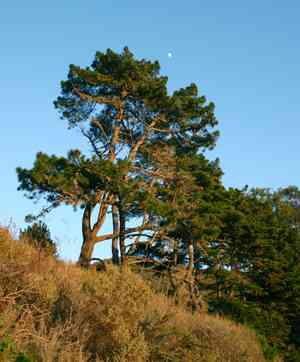
Monterey pines achieve optimal growth with abundant sunlight, requiring a minimum of six hours of direct sun each day.
2
While these pines can endure some shade, inadequate light may hinder their development and vigor.
3
Modifying the amount of sun they receive based on the time of year contributes to the tree's well-being.
Understanding Light Requirements for Monterey Pine
What are the Ideal Light Conditions?
The Monterey pine thrives in bright conditions! For optimal development, it needs full sun exposure, meaning it should receive a minimum of six hours of direct sunlight daily. Perfect conditions include an open area where the tree isn't shaded by structures or taller plants. Ensuring ample illumination is vital for photosynthesis, which powers the tree’s growth and vigor. However, striking a balance is important. While these pines are resilient, it's crucial to monitor their exposure to prevent overexposure, which can lead to other issues we'll cover later.
Why Light is Important for Monterey Pine Growth
Sunlight is the essential energy source for the Monterey pine. It's critical for photosynthesis, the process where plants convert light energy into chemical energy to fuel their development. Without sufficient light, photosynthesis slows, resulting in stunted growth, poor health, and a less sturdy tree. Sunlight also aids in the creation of chlorophyll, the pigment responsible for the vibrant green color of pine needles. The more vivid and green the needles, the healthier the tree. Light also helps prevent diseases by drying excess moisture that can foster fungal growth, ensuring the Monterey pine remains healthy and lively.
Daily Light Hours Required
How Many Hours of Light Does a Monterey Pine Need Daily?
Daily light exposure for a Monterey pine should be between six and ten hours. This range ensures the tree receives enough light for peak photosynthesis while avoiding potential harm from excessive exposure. Full sun for at least six hours promotes vigorous growth and healthy development. If you live in an area with occasional overcast days, don't worry. Monterey pines are quite adaptable and can handle partial sun. However, a consistent lack of light can lead to less healthy growth and should be addressed through strategic planting and care.
Effects of Insufficient Light
When a Monterey pine doesn't receive adequate sunlight, it shows in several ways. Insufficient light results in stunted development, making the tree thin and weak. The foliage loses its vibrant green hue, exhibiting signs of yellowing or pale leaves due to insufficient chlorophyll production. The tree may also become more prone to diseases and pest infestations because it lacks the vigor to resist these threats. Ultimately, a lack of light can lead to a decline in the tree's overall health, impacting its ability to grow tall and strong.
Light Exposure and Foliage Health
Identifying Light Damage on Monterey Pine
While sunlight is crucial, excessive exposure can cause damage. If your Monterey pine is getting too much sun, you might observe signs such as scorched or browned needle tips. Sunburn is common in areas with intense midday sun. Instead of a rich green, the needles might appear dried out and brittle. It's important to monitor the tree, especially during peak summer months. If you notice these indicators, consider providing some shade during the hottest parts of the day by strategically planting other vegetation nearby or utilizing temporary shade cloths.
Preventing Sunburn on Monterey Pine
Preventing sunburn involves a mix of proper planting and ongoing maintenance. When planting a Monterey pine, select a spot that receives morning sun but is protected from harsh afternoon rays. Mulching around the tree's base also helps retain moisture and keeps the roots cool. During extremely hot periods, consider installing a shade cloth or planting companion shrubs and trees that can filter the intense sunlight. Consistent watering is also vital, as well-hydrated trees are less likely to suffer from sun damage.
Seasonal Light Considerations
Adapting to Seasonal Changes in Light
As seasons change, so do the angle and strength of the sunlight your Monterey pine receives. In summer, the sun is much higher in the sky, providing ideal conditions for full sun exposure. However, in winter, the sun is lower, and days are shorter. It's important to be aware of these shifts and adjust care routines accordingly. For instance, during short winter days, ensuring the tree gets the maximum possible daylight, especially in the morning, is crucial. Modifying surrounding landscaping or temporarily pruning nearby plants can help increase light exposure.
Winter Light Needs
In winter, even though Monterey pines are less active and their growth slows, they still require sunlight. Aim to provide at least four to six hours of sunlight per day during these months. Winter sunlight is less intense, so positioning the tree to capture the morning sun ensures it receives the most benefit. Regularly clearing away snow or debris that might obstruct sunlight is essential. Remember, while the intensity of sunlight is lower, consistency is key to maintaining the tree’s health through the colder months.



