
Monterey pine (Pinus radiata)
Also known as: Radiata pine
The tree you're looking for is the Witch Hazel (Hamamelis spp.). This deciduous tree is noted for its sweet-smelling, yellow blossoms that appear on male trees during the winter months. Witch Hazel serves as an essential source of sustenance and shelter for birds, butterflies, and numerous insects. It thrives in full sun to partial shade and is often valued for its ornamental qualities and medicinal uses.
In This Article
Attributes of Monterey pine
Lifespan
Perennial
Plant Type
Tree
Plant Height
20 m
Spread
18 m
Leaf Color
Green
Flower Size
7 mm to 1.7 cm
Flower Color
Gold
Images of Monterey pine
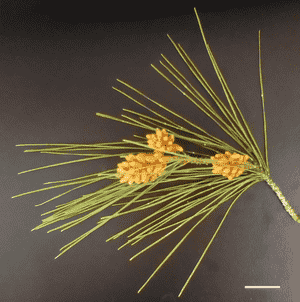
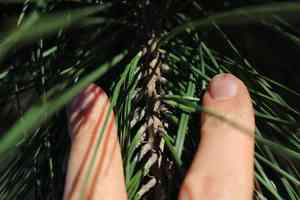
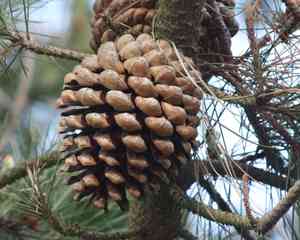
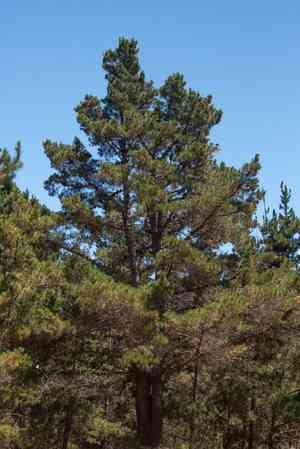
Quickly Identify Monterey pine
1
Pinus radiata can be identified by its bright green, needle-like leaves, typically in bundles of three, and its large, often asymmetric cones. The bark is dark and fissured.
Scientific Classification of Monterey pine
Phylum
Vascular plants
Class
Conifers
Order
Pines and allies
Family
Pine
Genus
Pines
Species
Monterey pine
Planting and Growing of Monterey pine
Care Difficulty
Easy
Watering Schedule
Every 2 days
Sunlight Requirements
Full sun
Sunshine Duration
6-10 hours
Ideal Temperature
50-75℉
Soil Type
Potting Mix, Peat Mix
Soil pH
5.5-7.5
Fertilizer Type
Balanced
Pruning Season
Spring, Summer
Pruning Area
Branches, Leaves
Pruning Frequency
2 times a year
Repotting Season
Spring
Pot Type
Ceramic, Plastic
 How to Water Monterey pine?
When watering Pinus radiata, ensure that the soil is soaked but not waterlogged. This means applying around 500 ml of water, depending on the size of the tree and climate conditions. The water should reach the root zone without pooling on the surface. This soaking method provides deep hydration, crucial for the pine's health, allowing the roots to access moisture over an extended period.
What are the symptoms of an underwatered Monterey pine?
›
What should I do if my Monterey pine is not getting enough water?
›
What are the symptoms of an overwatered Monterey pine?
›
How to save an overwatered Monterey pine?
›
 What Are the Sunlight Requirements for Monterey pine?
Pinus radiata flourishes with full sun exposure of 6-8 hours daily. This maintains its strong growth, vibrant green needles, and overall health.
More About Sunlight Requirements Techniques→
What are the ideal lighting conditions for Pinus radiata?
›
How can I ensure Pinus radiata gets ideal light?
›
What benefits does Pinus radiata have from ideal light?
›
 What Is the Ideal Temperature Range for Monterey pine?
Pinus radiata thrives best within a temperature range of 50°F to 75°F. This range ensures optimal photosynthesis, nutrient uptake, and overall healthy growth. It is important to maintain this range to prevent stress and ensure the plant's maximum growth potential.
 What Soil is Best for Monterey pine?
Pinus radiata thrives in well-drained soils that prevent waterlogging. This drainage capability ensures the roots get enough oxygen and reduces the risk of root rot. The tree prefers soils with moderate nutrients, aiding balanced growth. Overly rich soils can lead to excessive growth, making trees vulnerable to pests. Pinus radiata favors slightly acidic soils (pH 5.5-7.0), helping in nutrient absorption efficiency. This acidic environment also reduces soil-borne pests' prevalence.
More About Soil→
 How to Fertilize Monterey pine?
For Pinus radiata, it's important to use a balanced, slow-release fertilizer. Approximately 2-4 pounds per 100 square feet is recommended in early spring to promote healthy growth. Liquid fertilizers can be applied at half strength to avoid root burn.
 How to Prune Monterey pine?
Begin by inspecting the tree for any dead, damaged, or diseased branches. Use sharp pruning shears or saws to cleanly cut these branches at the base. Ensure each cut is made just above the branch collar to prevent damage to the main trunk. Keep in mind the natural shape of the tree to maintain its aesthetic appeal. For minor shaping, remove any branches that are crossing or growing excessively outwards to maintain an open and balanced canopy. In spring, pay special attention to the new growth, often referred to as 'candles'. Gently pinch back some of these candles to a desired length, reducing the growth rate but encouraging fuller and more compact development. Pinching is particularly useful for maintaining the desired shape and preventing the tree from becoming too dense.
More About Pruning Techniques→
 How to Propagate Monterey pine plant?
1
Gather seeds from cones that have recently opened. Stratify the seeds by placing them in moist sand, storing them in a refrigerator for 2-3 months to simulate winter conditions.
2
Select a healthy branch and cut a 6-8 inch segment with several nodes. Strip lower needles and dip the base into rooting hormone to encourage root development.
3
Choose a compatible rootstock and carefully make a clean cut on both stock and scion. Bind them together with grafting tape and keep them in a humid environment until the graft heals.
 How to Repot Monterey pine plant?
1
Pinus radiata should be repotted when you notice slowed growth or roots emerging from the drainage holes. These signs indicate that the plant's roots have outgrown their current space.
2
Opt for a pot that is about 2 inches larger in diameter than the current one to provide ample room for growth. A pot with good drainage holes is ideal, as it prevents waterlogging and root rot.
3
Choose a well-draining, sandy loam soil that mimics the tree’s natural habitat. This soil type ensures proper drainage and air circulation, which is crucial for healthy root development.



