Enhancing Your Garden Design with the Monterey pine Plant: A Landscaping Guide
1
Monterey pine greatly improves a garden's framework and beauty.
2
Correct spacing and positioning of Monterey pine are vital for best growth and visual harmony.
3
Monterey pine provides many ecological advantages, such as aiding local fauna and absorbing carbon dioxide.
Introducing Monterey Pine in Landscape Design
Appreciating the visual characteristics of Monterey pine
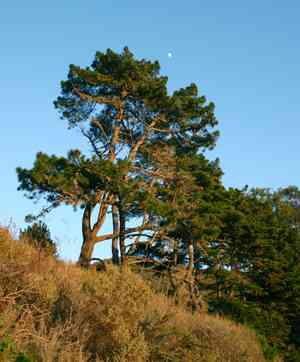
Monterey pine is recognized for its striking appearance, featuring a tall, straight trunk and thick, dark green foliage. This evergreen tree can serve as a prominent focal point in your landscape, offering year-round visual appeal and charm. Its vibrant green needles and distinct bark texture add depth and character to your garden, making it stand out.
Advantages of selecting Monterey pine for your garden
Opting for Monterey pine in your landscape provides several benefits. Firstly, it requires relatively little upkeep once established, needing less pruning and watering compared to other ornamental trees. Secondly, its root system aids in soil stabilization and erosion prevention, which is particularly useful for sloped gardens. Additionally, Monterey pine offers ample shade, creating a cooler microclimate that can help other plants and flowers flourish.
Designing Your Garden Layout with Monterey Pine
Evaluating space and soil suitability
Before planting Monterey pine, it's essential to assess your garden area and ensure appropriate soil conditions. Monterey pine thrives in well-drained soils and can tolerate various soil types, from sandy to clay loams. Confirm there's sufficient room for the tree to reach its full height and spread. Test your soil's pH level, as Monterey pine prefers slightly acidic to neutral soil for optimal growth.
Design principles: Placement and spacing considerations
Placement and spacing are crucial when incorporating Monterey pine into your garden. For a balanced look and healthy growth, plant Monterey pine at least 15-20 feet from structures or other large trees. This provides ample space for its mature spread and reduces competition for nutrients and sunlight. Consider grouping several Monterey pine trees for a natural, forest-like setting, or use it as a solitary specimen for a bold statement.
Companion planting: Suitable pairings with Monterey pine
Monterey pine pairs well with various shrubs, perennials, and ground covers. Companion plants that thrive in similar light and soil conditions, such as lavender, rosemary, and flowering currant, can create a complementary and harmonious design. These plants not only enhance visual appeal but also benefit the soil and local ecosystem. Additionally, selecting plants with different blooming seasons ensures continuous interest in your garden.
Integrating Monterey Pine into Diverse Landscape Styles
Enhancing formal gardens with Monterey pine
Monterey pine can add structure and sophistication to a formal garden. Its tall, uniform growth makes it an excellent choice for lining pathways or driveways, creating a grand entrance. When pruned and shaped, Monterey pine can complement the symmetry and geometry typical of formal garden designs, adding an element of refinement and order.
Using Monterey pine in informal or natural garden designs
For a more relaxed and natural aesthetic, consider incorporating Monterey pine into informal garden layouts. Its natural growth habit blends well with winding paths, wildflower meadows, and mixed borders. Allowing Monterey pine to grow freely will contribute to a more organic feel, fostering a diverse habitat for wildlife and promoting biodiversity in your garden.
Creative concepts for distinctive landscapes
To craft a truly unique landscape, explore innovative uses for Monterey pine. For instance, combine it with water features like ponds or fountains for a serene and picturesque setting. You can also use Monterey pine as a backdrop for outdoor art installations or sculptures to create dynamic visual interest. Experiment with lighting to highlight its majestic silhouette at night, adding an enchanting atmosphere to your garden.
Maintaining the Health and Beauty of Monterey Pine
Seasonal care recommendations
Consistent maintenance is vital for keeping Monterey pine healthy and attractive. In spring, inspect the tree for any signs of disease or pest infestation and take appropriate action. During summer, ensure the tree receives adequate water, especially during dry spells. In autumn, clear fallen needles to prevent fungal issues, and in winter, protect young trees from frost damage with suitable coverings or mulch.
Common problems and simple solutions
Like any plant, Monterey pine can encounter challenges such as pests, diseases, and environmental stress. Common issues include needle blight, aphids, and bark beetles. Regular monitoring and early intervention are crucial. Utilize organic pesticide options or introduce natural predators like ladybugs to manage pests. For soil-related problems, consider a soil test and amend it with necessary nutrients to boost tree health.
The Ecological Impact of Planting Monterey Pine
Benefits for local wildlife and ecosystems
Monterey pine provides various ecosystem services that support local wildlife. Its dense foliage offers shelter and nesting sites for birds, insects, and small mammals. The tree's seeds are a food source for wildlife, and its presence can contribute to a more balanced and diverse ecosystem in your garden. By planting Monterey pine, you are supporting local biodiversity.
Carbon sequestration and other sustainability factors
Monterey pine is effective at absorbing carbon dioxide from the atmosphere, making it an environmentally friendly choice for your landscape. Its extensive root system also helps improve soil health and prevent erosion. By selecting Monterey pine, you are not only enhancing your garden's beauty but also contributing to environmental sustainability by reducing carbon footprints and supporting climate change mitigation efforts.



