How to Overwinter Monterey pine
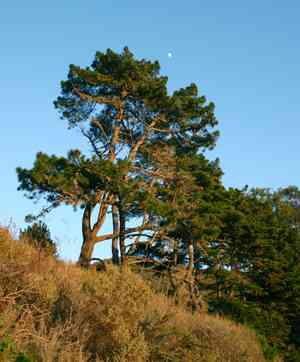
1
Monterey pine thrives in winter temperatures ranging from 5°C to 15°C (41°F to 59°F).
2
Applying mulch helps safeguard Monterey pine roots by stabilizing soil temperature and moisture.
3
Frequent checks in winter allow for early detection of frost damage, enabling quick intervention to avoid permanent harm.
What is Overwintering and Why is it Important for Monterey pine?
What is Overwintering and Why is it Important for Monterey pine?
Overwintering refers to the process of preparing and protecting plants, like the Monterey pine, during the cold winter months. It's particularly crucial for Monterey pine as it ensures the tree remains healthy and resilient despite the harsh weather conditions. By taking the right steps to overwinter your Monterey pine, you're helping it conserve energy and reduce stress, which ultimately leads to a more vigorous and vibrant tree come spring.
Ideal Winter Conditions for Monterey pine
Preferred Temperature Range
Monterey pine thrives in winter temperatures ranging from 5°C to 15°C (41°F to 59°F). While it can tolerate lower temperatures, prolonged exposure to extreme cold can result in frost damage. It's essential to monitor the weather forecast and take preventative measures during unusually cold spells.
Light Requirements During Winter
Even in winter, Monterey pine needs adequate sunlight. Ensure that your tree receives at least 6 hours of sunlight daily. If you're growing the tree indoors or in a shaded area, consider using grow lights to supplement natural sunlight.
Soil and Humidity Needs
Maintain well-draining soil to prevent waterlogging, which can be detrimental during the cold months. Additionally, while Monterey pine doesn't require high humidity, it's beneficial to keep the surrounding environment slightly humid to prevent the needles from drying out.
How to Prepare Monterey pine for Winter
Pruning and Clearing Debris
Start by pruning dead or diseased branches to reduce the risk of infestations and diseases over winter. Clearing fallen leaves and debris around the base of the tree helps prevent fungal growth and maintains a clean environment for your Monterey pine.
Mulching Techniques
Apply a thick layer of mulch around the base of your Monterey pine to insulate the roots. Use organic materials like straw, wood chips, or pine needles. Mulching helps in maintaining soil temperature and moisture, providing an extra layer of protection against freezing conditions.
Watering Strategies Before Winter
It's crucial to water your Monterey pine adequately before the onset of winter. A thorough watering in late fall ensures the tree has sufficient moisture before the ground freezes. However, be cautious not to overwater, as waterlogged soil can harm the roots.
Protecting Monterey pine During Harsh Winters
Using Burlap or Frost Covers
Shield your Monterey pine from harsh winds and frost by wrapping the tree with burlap or using frost covers. These materials provide insulation and protect against temperature fluctuations, ensuring the tree remains at a stable temperature.
Windbreaks and Shelter Options
If your Monterey pine is planted in an area exposed to strong winds, consider installing windbreaks. You can use fences, trellises, or even strategically planted shrubs to act as barriers, reducing wind impact and preventing potential damage.
Regular Inspections for Damage
Throughout winter, regularly inspect your Monterey pine for signs of frost damage or any other issues. Early detection and treatment can prevent minor problems from becoming major concerns. Look out for browning needles, bark cracks, or signs of pests.
Common Winter Issues for Monterey pine and Solutions
Dealing with Frost Damage
If you notice frost damage, such as browning or wilting needles, prune the affected areas to prevent further spread. Additionally, enhance protection with extra mulch or frost covers to mitigate future damage. Ensuring your tree is well-watered before a frost event can also reduce the severity of damage.
Managing Pests and Diseases
Winter can sometimes bring about pests and diseases. Regular inspections help in catching these early. Use insecticidal soap or neem oil for pest control and consider fungicides if you notice any signs of fungal infections. Maintaining cleanliness around the tree's base can also deter pests.
Addressing Nutrient Deficiencies
Nutrient deficiencies can be a hidden problem during winter. If your Monterey pine shows signs of deficiency, like yellowing needles, consider a slow-release fertilizer suitable for winter use. However, avoid over-fertilizing as it can exacerbate the problem.



