How to Prune Monterey pine?
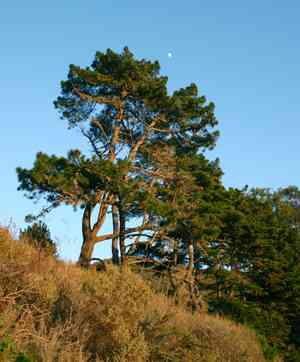
Distinguished by its swift development and elevated height, monterey pine significantly benefits from judicious trimming. Essential methods involve reducing dense branches to enhance airflow and excising ailing or compromised boughs to foster the tree's well-being. The most suitable period for pruning is during winter inactivity to lessen sap leakage and alleviate strain. Pruning bolsters the structural soundness of monterey pine, a vital aspect given its industrial application in lumber manufacturing.
Advantages of Trimming Monterey Pine
Advantages of Trimming Monterey Pine
Trimming monterey pine promotes robust development and maintains its form. This action removes dead or weak limbs, lessens disease, and guarantees light penetration and air circulation, which are vital for monterey pine's well-being and visual appeal.
Optimal Period for Pruning Monterey Pine
Optimal Period for Pruning Monterey Pine
Winter is considered ideal for pruning monterey pine as the plant is typically inactive, allowing for trimming without significantly disrupting its growth cycle. Pruning during dormancy lowers the risk of sap loss and pest infestation, which are more common during active growth. Furthermore, without foliage, monterey pine's structure is more visible, simplifying strategic cuts that enhance the plant's health, balance, and aesthetic form. It also falls outside the flowering and fruiting seasons, helping to avoid removing reproductive parts that would diminish the season's yield.
Required Tools for Pruning Monterey Pine
Hand Pruners
For monterey pine's smaller branches, hand pruners are the primary choice. Bypass hand pruners are perfect for making clean cuts that aid the plant in healing quickly without causing excessive harm.
Loppers
When monterey pine has branches too thick for hand pruners, often up to 1.5 inches in diameter, loppers offer the necessary leverage and cutting power without harming surrounding needles or branches.
Pruning Saws
For monterey pine's larger branches, a pruning saw is indispensable. The saw enables precise cuts on branches exceeding 1.5 inches in diameter, which helps preserve the tree's health and structure.
Pole Pruner
If monterey pine has grown tall and some branches needing pruning are out of reach, a pole pruner with a saw attachment is useful for safe trimming without requiring a ladder.
Shears
For shaping and thinning monterey pine's foliage, especially if grown as a windbreak or hedge, sharp shears can neatly trim needles and smaller twigs.
Safety Gear
Always crucial when pruning monterey pine, safety gear should include gloves to shield hands from resin and sharp needles, as well as protective eyewear and potentially a hard hat if working on larger trees.
How to Prune Monterey Pine
Step1: Determining Optimal Pruning Season
Identify the most suitable time of year for pruning monterey pine. Late winter to early spring, just before new growth begins, is typically the best period. Avoid pruning in late summer or early fall as this can stimulate new growth that may not harden off before winter.
Step2: Tool Sanitization and Sharpening
Prepare sanitized and sharp pruning tools. Disinfect pruning shears and saws to prevent disease transmission. Sharp tools will help you make clean cuts that monterey pine can recover from more effectively.
Step3: Inspection for Unhealthy Branches
Thoroughly inspect monterey pine. Look for branches that are dead, broken, or diseased. These are the branches that should be removed for monterey pine's health and safety.
Step4: Removal of Dead Branches
Begin with dead branches. Make cuts outside the branch collar, the swollen tissue area where the branch meets the trunk. Do not cut the branch collar itself, as it is crucial for the healing process.
Step5: Excising Diseased Branches
Next, prune diseased branches. Cut at least several inches into healthy wood beyond the diseased sections to ensure all infected material is removed. Properly dispose of diseased limbs to prevent disease spread.
Step6: Trimming Broken Branches
Address broken branches. Remove them by making a clean cut just above a lateral branch or outward-facing bud. This will direct new growth outward and help maintain monterey pine's natural shape.
Step7: Evaluating Tree Shape and Health
Step back to review your work. After removing dead, diseased, and broken branches, assess monterey pine's overall form. If additional shaping is needed for safety or aesthetics, proceed cautiously.
Step8: Thinning for Shape and Sunlight
Make any additional thinning cuts for shape or sunlight penetration. Ensure not to remove more than 25% of the tree's foliage in one year. Thinning can help reduce wind resistance and weight load, which may prevent future breakages.
Step9: Pruning Debris Cleanup
Clean up the area around monterey pine after pruning. Remove all cut branches and debris to discourage pests and diseases from settling near the tree.
Step10: Post-Pruning Care and Maintenance
Aftercare is important. Water monterey pine if conditions are dry, and if appropriate, apply mulch around the base, keeping it a few inches away from the trunk to encourage healthy growth without risking rot.
Post-Pruning Care for Monterey Pine
Post-Pruning Care for Monterey Pine
Immediately after pruning monterey pine, ensure clean cuts to minimize stress. Position monterey pine in a location with ample indirect light to aid healing, avoiding direct sunlight. Maintain stable humidity and temperatures, preventing extreme fluctuations. Apply a balanced fertilizer to assist in nutrient replenishment and recovery, avoiding over-fertilization. Regularly inspect monterey pine for any signs of distress or infection, such as discoloration or sap exudation. Promptly address issues with appropriate treatments to prevent further damage.
Common Pruning Mistakes with Monterey Pine
Avoid Excessive Pruning
Over-pruning, which can stress monterey pine and lead to poor health and growth.
Do Not Cut Too Near Trunk/Branch Collar
Cutting too close to the trunk or parent branch, potentially harming the collar and impeding proper healing.
Sterilize Tools to Prevent Disease
Not sterilizing pruning tools, which can introduce pathogens and spread disease to monterey pine.
Prune with Purpose, Spare Healthy Branches
Pruning living, healthy branches without a clear objective, thereby unnecessarily wounding monterey pine.
Avoid Bark Tearing During Cuts
Tearing the bark when making cuts, which can create open wounds vulnerable to pests and diseases.
Respect Plant's Natural Shape When Pruning
Ignoring monterey pine's natural shape and growth habit when pruning, resulting in an unnatural appearance and potential growth issues.
Common Pruning Tips for Monterey Pine
Use Sharp, Clean Tools for Precise Cuts
Utilize sharp, clean pruning tools to make precise cuts that promote quick and proper healing.
Prune Dead or Damaged Branches for Plant Health
Prune dead, diseased, or broken branches first to maintain monterey pine's health and shape.
Angle Cuts Away from Buds to Prevent Rot
Make cuts at a slight angle, away from the bud, to prevent water accumulation and subsequent rot.
Follow Natural Form, Avoid Over-Thinning
Adhere to monterey pine's natural form and avoid excessive thinning of the canopy, as this could compromise its structural integrity.
Encourage Growth with Directional Pruning
Cut branches back to a lateral branch or bud to encourage healthy, directional growth.
Disinfect Tools to Stop Disease Spread
Regularly clean pruning tools with a disinfectant solution to minimize the risk of disease transmission between cuts and plants.



