The Monterey pine Plant Advantage: Maximizing Home and Office Appeal and Wellness
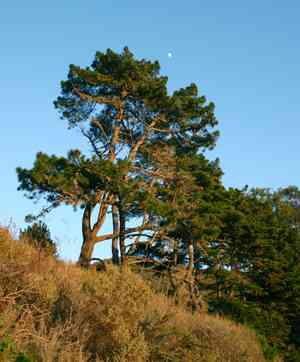
1
Monterey pine is highly regarded for its rapid development and ability to thrive in diverse environments.
2
The timber derived from Monterey pine is greatly prized for its robustness and longevity.
3
Monterey pine contributes significantly to carbon capture, aiding in the mitigation of global warming.
Why is Monterey pine Important?
Environmental Benefits
A key advantage of Monterey pine is its capacity to flourish in diverse environmental settings. Its adaptability has led to its cultivation across continents, significantly aiding forest restoration efforts. The extensive root system of Monterey pine helps prevent soil erosion, making it an excellent choice for stabilizing slopes and other vulnerable areas.
Climate Change Mitigation
Monterey pine plays a crucial role in carbon sequestration, the process of capturing and storing atmospheric carbon dioxide. Trees like Monterey pine absorb CO2 during photosynthesis, reducing greenhouse gases in the atmosphere. This carbon storage ability makes Monterey pine an ally in combating climate change, underscoring its ecological importance.
What Are the Uses of Monterey pine?
Wood and Timber Industry
Monterey pine is highly valued in the wood and timber industry due to its rapid growth and the quality of wood it yields. Its wood is utilized for various purposes, including construction, furniture manufacturing, and paper production. Its strength and durability make it a preferred choice for building materials, demonstrating the economic worth of this plant.
Pulp and Paper Industry
Beyond its use in the timber industry, Monterey pine is a significant source of pulpwood for paper production. The long fibers of Monterey pine wood are ideal for creating high-quality paper products. Its widespread cultivation ensures a consistent supply of raw material for paper manufacturing, contributing to the industry's sustainability.
How Does Monterey pine Benefit Local Communities?
Economic Opportunities
The cultivation and processing of Monterey pine generate numerous economic opportunities for local communities. From planting and maintaining forests to harvesting and processing the wood, Monterey pine creates employment in various sectors. This not only boosts local economies but also improves the quality of life for many individuals and families.
Ecotourism Potential
Forests planted with Monterey pine also offer significant potential for ecotourism. These areas can attract visitors interested in nature and outdoor activities, further enhancing economic benefits for local communities. The scenic beauty of Monterey pine forests, along with their ecological importance, makes them appealing destinations for tourists seeking recreation and education.
Can Monterey pine Be Used for Landscaping?
Aesthetic Appeal
Due to its attractive appearance and fast growth, Monterey pine is also commonly used in landscaping. Its evergreen foliage and distinct shape make it a popular choice for ornamental purposes in parks, gardens, and urban settings. The use of Monterey pine in landscaping not only enhances the aesthetic appeal of these areas but also provides environmental benefits.
Windbreaks and Shelterbelts
In agricultural settings, Monterey pine is often planted as windbreaks and shelterbelts. These tree rows help protect crops from strong winds, reduce soil erosion, and create a favorable microclimate for plant growth. This practical application highlights the multifunctionality of Monterey pine beyond its traditional uses in forestry and wood production.
How Does Monterey pine Contribute to Biodiversity?
Habitat Creation
Monterey pine forests provide habitats for a diverse array of flora and fauna. The dense canopy and forest floor create environments suitable for various species, promoting biodiversity within these ecosystems. The establishment of Monterey pine plantations can thus play a role in conserving wildlife and enhancing ecological balance.
Restoration of Degraded Lands
Monterey pine is also utilized in the restoration of degraded lands. Its ability to grow in poor soil conditions makes it ideal for rehabilitating areas impacted by deforestation or other forms of land degradation. By planting Monterey pine in such areas, ecosystems can be revived, and natural vegetation can gradually be restored.



