How Much Sunlight Do Yellow butterfly palm Need?
1
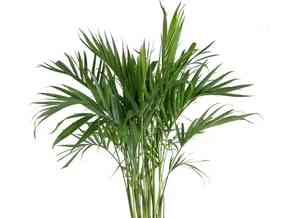
The Areca palm flourishes in well-lit, shaded environments.
2
While this palm can endure direct sun for short periods, excessive exposure can be detrimental.
3
Target around 3 to 6 hours of daylight daily for best development.
Ideal Sunlight Conditions for the Yellow butterfly palm
Preferred Sunlight Intensity
The Yellow butterfly palm thrives in bright, indirect illumination, replicating the naturally filtered light found in its native environment. This light type provides the necessary energy for photosynthesis without the harshness that can damage its delicate foliage. A good approach is to observe the light patterns in your space and select a location with moderate, consistent illumination.
Duration of Sunlight Exposure
For optimal development, the Yellow butterfly palm should receive approximately 3-6 hours of daylight daily. This moderate duration helps maintain its vibrant hue and growth rate. If your indoor setting doesn't naturally offer this, consider employing a sheer curtain to diffuse intense sunlight or repositioning the plant to follow the sun's trajectory throughout the day.
Indoor Sunlight Requirements for the Yellow butterfly palm
Best Indoor Locations
When cultivating the Yellow butterfly palm indoors, position it near an east-facing window to capture the gentle morning sun. Alternatively, a south or west-facing window, adequately filtered by a curtain, will also suffice. Ensure the plant isn't placed too close to the window to avoid direct midday sun, which could be overly intense.
Supplementing Natural Light
If your indoor environment lacks sufficient natural light, you can utilize grow lights to provide your Yellow butterfly palm with its required illumination. LED grow lights are an excellent choice due to their efficiency and appropriate light spectrum. Place these lights roughly 30-50 cm (12-20 inches) above the plant and operate them for 10-12 hours daily to complement natural light.
Outdoor Sunlight Requirements for the Yellow butterfly palm
Optimal Outdoor Placement
When growing the Yellow butterfly palm outdoors, locate a spot where it receives partial sunlight. An area with morning sun and afternoon shade is ideal, such as beneath a tree that provides dappled light. Remember, excessive direct sunlight, particularly in the afternoon, can cause leaf burn.
Protecting the Yellow butterfly palm from Harsh Sunlight
To safeguard your Yellow butterfly palm from intense sun, employ shade cloths or position it in areas naturally shaded during the day's hottest period. Another option is to relocate potted palms to a shaded spot if they are exposed to potentially damaging conditions. Always monitor the leaves for indications of sun stress and adjust placement as needed.
Common Sunlight Issues for the Yellow butterfly palm
Symptoms of Too Much Sunlight
If your Yellow butterfly palm is receiving excessive sunlight, you might observe its leaves becoming scorched or developing brown and brittle edges. Overexposure to direct sunlight can also lead to premature yellowing of the fronds. To rectify this, move the plant to a more shaded location, ensuring it receives only filtered sunlight.
Signs of Insufficient Sunlight
Conversely, inadequate sunlight can result in the Yellow butterfly palm exhibiting slow growth and a leggy appearance. The foliage might become a dull green and lose its vibrant, healthy look. To address this, gradually move the plant to a brighter spot, avoiding the shock of abrupt changes in light exposure.
Adjusting Sunlight Exposure for the Yellow butterfly palm
How to Increase Sunlight Exposure
Should you need to boost the amount of sunlight your Yellow butterfly palm receives, consider moving it to a brighter area of your home or garden. Be sure to do this incrementally to prevent stress. Alternatively, you can trim back nearby vegetation or clean windows to allow more light penetration. Employing reflective surfaces can also help direct additional light to the plant.
Reducing Sunlight Exposure
To decrease sunlight exposure, relocate the Yellow butterfly palm to a more shaded position or use sheer curtains to diffuse the intensity. For outdoor plants, consider utilizing a portable shade structure during peak sunlight hours. Always closely observe the plant after any changes to ensure it's adapting well and make further adjustments as necessary.



