How to Propagate Yellow butterfly palm?
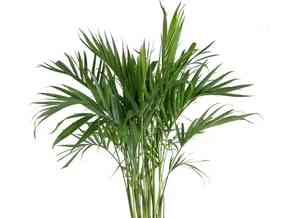
The optimal period for propagating yellow butterfly palm is in the Spring season via seeding. This plant presents a moderate challenge for propagation, indicated by the emergence of fresh sprouts and robust root formation. For superior outcomes, guarantee a growing medium with good drainage and supply sufficient warmth and moisture.
When Is the Optimal Time to Propagate Yellow Butterfly Palm?
Propagation Method
Seeding
Propagation Period
Spring
What Equipment Is Used for Yellow Butterfly Palm Propagation?
Seed trays or flats
These shallow containers are utilized for initiating seeds. Seed trays enable numerous yellow butterfly palm seeds to be sown in a confined area. They offer ample space for initial root formation and simplify the maintenance of necessary temperature and moisture for germination.
Potting mix
A premium, well-draining potting medium is crucial for the germination of yellow butterfly palm seeds. It must be free of pathogens and pests and possess a pH suitable for the species. This mixture supplies vital nutrients and support for the seedlings' root systems while retaining moisture without becoming waterlogged.
Heat mat
This device is frequently positioned beneath seed trays to sustain a steady soil temperature, which is vital for yellow butterfly palm germination. Ensuring the soil is at the ideal temperature enhances the germination rate and aids in establishing robust seedlings.
Misting bottle or spray system
Yellow butterfly palm seeds and seedlings require consistent moisture without excessive watering, which can lead to fungal diseases. A misting bottle or a gentle spray system allows for delicate and controlled irrigation that keeps the soil damp without causing erosion or saturating the medium.
Grow lights or a propagation light system
If natural light conditions are inadequate, particularly when propagating yellow butterfly palm indoors, artificial grow lights can supply the necessary light spectrum for seedlings to photosynthesize and grow healthily. An adjustable system permits control over light intensity and duration, which can be customized to the plant's growth stage.
Dibber or seeding tool
A dibber is employed to create uniform holes in the potting mix for sowing yellow butterfly palm seeds. This ensures seeds are planted at the optimal depth and spacing, which can boost germination success and foster healthy seedling growth.
Transparent plastic dome or humidity dome
Covering seed trays with a plastic dome helps retain humidity and warmth, creating a microclimate that promotes yellow butterfly palm seed germination. It also shields delicate seedlings from direct airflow, which can dry out the soil too rapidly.
How to Propagate Yellow Butterfly Palm?
Propagation Method
Seeding
Difficulty Level
Easy
How to Care for Your Newly Propagated Yellow Butterfly Palm?
How to Care for Your Newly Propagated Yellow Butterfly Palm?
Post-propagation, young yellow butterfly palm plants demand consistent attention to flourish: Keep the soil moist but not saturated to prevent root rot. Position the young palms in a spot with bright, indirect light, and shield them from direct sun. Maintain a warm environment, as yellow butterfly palm thrives in temperatures between 60-75°F (16-24°C). Fertilize every few months with a palm-specific or balanced slow-release fertilizer. Ensure good air circulation but avoid placing plants in drafty areas. Repot every couple of years as the yellow butterfly palm grows, using a larger container each time to accommodate the root system.
Common Errors to Avoid When Propagating Yellow Butterfly Palm
Overwatering cuttings
Maintaining excessive soil moisture when propagating yellow butterfly palm from cuttings can cause root rot and hinder development. This surplus water deprives developing roots of essential oxygen.
Ignoring soil composition
Using unsuitable soil that drains poorly or lacks nutrients is detrimental. Yellow butterfly palm requires a mix that promotes aeration and drainage while retaining adequate moisture.
Planting cuttings too deeply
Inserting cuttings too far into the propagation medium can reduce the likelihood of successful rooting as it may cause the cuttings to rot before roots have a chance to form.
Neglecting cleanliness
Failure to use sterilized tools and containers can introduce pathogens to the cuttings, leading to disease and poor growth outcomes for yellow butterfly palm.
Improper humidity levels
Yellow butterfly palm cuttings require a high-humidity environment to stimulate root growth, and not providing this can cause the cuttings to dry out.
Overcrowding pots
Placing too many cuttings in one pot can impede their growth due to competition for nutrients and space, resulting in weaker plants.
Tips For Propagating Yellow Butterfly Palm
Softwood cuttings selection
To successfully propagate yellow butterfly palm, one should select healthy, non-flowering stems as cuttings, ensuring they are free from pests and diseases.
Adequate drainage
Utilizing a well-draining soil mix specifically formulated for palms or similar plants is crucial to encourage robust root development and prevent water-related issues.
Optimal cutting placement
Position the cuttings at an appropriate depth, ensuring not to bury them too far into the substrate to allow for sufficient support and aeration for the developing roots.
Use of rooting hormones
Applying a rooting hormone to the cut of yellow butterfly palm can significantly improve the chances of successful rooting by stimulating faster root growth.
Moisture and humidity control
Maintain consistent soil moisture without soggy conditions and cover the cuttings with a plastic bag or use a humidity dome to retain moisture in the air around them.
Proper spacing
Provide each yellow butterfly palm cutting with ample space in the propagation pot to ensure proper air circulation and access to nutrients, which is vital for healthy growth.



