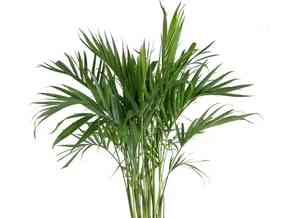
Yellow butterfly palm (Dypsis lutescens)
Also known as: Golden cane palm, Yellow palm
The yellow butterfly palm, scientifically known as Dypsis lutescens, hails from Madagascar. It is also referred to as the golden cane palm or yellow palm. In tropical climates, it is often cultivated outdoors for decorative purposes, while in temperate areas, it is popular as an indoor houseplant.
In This Article
Attributes of Yellow butterfly palm
Lifespan
Perennial
Plant Type
Palm
Plant Height
6 m to 9 m
Spread
3 m to 6 m
Leaf Color
Green
Flower Size
15 cm
Flower Color
Yellow Gold
Images of Yellow butterfly palm
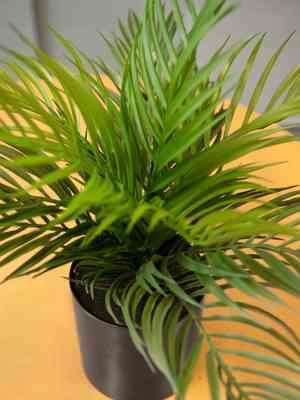
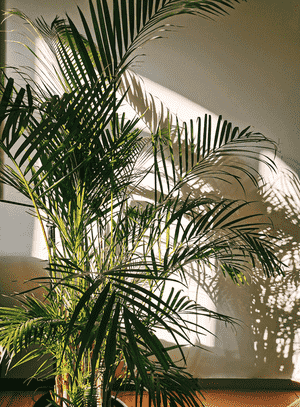
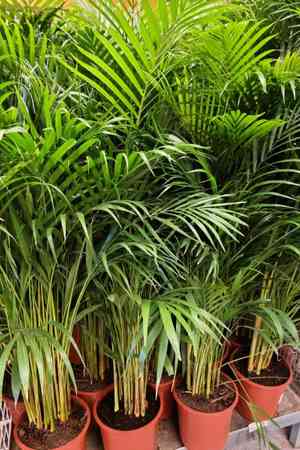
Quickly Identify Yellow butterfly palm
1
Identify Dypsis lutescens by its clumping growth habit, multiple-stemmed base, and arching fronds with narrow leaflets. The leaf bases typically exhibit a yellowish or golden hue, especially in younger plants.
Scientific Classification of Yellow butterfly palm
Phylum
Vascular plants
Class
Monocotyledons
Order
Palms, bullanocks, and allies
Family
Palm
Genus
Butterfly palms
Species
Yellow butterfly palm
Planting and Growing of Yellow butterfly palm
Care Difficulty
Easy
Watering Schedule
Every 3 days
Sunlight Requirements
Partial sun
Sunshine Duration
4-8 hours
Ideal Temperature
65-75℉
Soil Type
Potting Mix, Peat Mix
Soil pH
6.5-7.5
Fertilizer Type
Balanced
Pruning Season
Spring, Summer
Pruning Area
Branches, Leaves
Pruning Frequency
2 times a year
Repotting Season
Spring
Pot Type
Ceramic, Plastic
 How to Water Yellow butterfly palm?
Dypsis lutescens, commonly known as the Areca Palm, requires consistent moisture without becoming waterlogged. Aim to water until the soil feels evenly moist but not soggy. Ensure excess water drains away to prevent root rot.
More About Watering Techniques→
What are the symptoms of an underwatered Yellow butterfly palm?
›
What should I do if my Yellow butterfly palm is not getting enough water?
›
What are the symptoms of an overwatered Yellow butterfly palm?
›
How to save an overwatered Yellow butterfly palm?
›
 What Are the Sunlight Requirements for Yellow butterfly palm?
The ideal light range for Dypsis lutescens is partial sun to partial shade, benefiting from at least four to six hours of diffused sunlight per day. This balanced light exposure promotes strong, healthy fronds and supports overall vitality, keeping the plant lush and vibrant.
More About Sunlight Requirements Techniques→
Sunlight Intensity
›
Light Duration
›
Indoor Lighting Solutions
›
 What Is the Ideal Temperature Range for Yellow butterfly palm?
What is the ideal temperature range for Dypsis lutescens? Dypsis lutescens, commonly known as the Areca Palm, thrives in a temperature range of 65°F to 75°F. This range mimics its natural tropical environment, providing optimal conditions for growth. Maintaining temperatures within this range ensures that the plant can photosynthesize effectively and perform other metabolic functions, leading to healthy foliage and vibrant color.
 What Soil is Best for Yellow butterfly palm?
Dypsis lutescens requires well-draining soil to prevent root rot. Well-draining soil helps keep the roots healthy by avoiding waterlogging, thus allowing the plant to thrive and grow lush leaves. The plant thrives in moderately fertile soil, which provides sufficient nutrients for its growth without overwhelming it. This balance ensures robust growth without excessive vegetative growth that might lead to nutrient imbalances. Aerated soil is essential for Dypsis lutescens as it ensures that the roots get enough oxygen. Proper aeration supports effective nutrient uptake and encourages healthy root development, aiding in the overall vitality of the plant.
More About Soil→
 How to Fertilize Yellow butterfly palm?
For Dypsis lutescens, it's important to use a balanced, water-soluble fertilizer that is diluted to half the recommended strength on its packaging. During the growing season, typically spring and summer, apply the liquid fertilizer with care to ensure the soil doesn't become overly saturated. Use approximately 1/4 cup (about 60 ml) of this diluted solution per gallon of container soil or per square foot in outdoor settings.
More About Fertilizing Techniques→
 How to Prune Yellow butterfly palm?
Pruning too much at one time can shock the plant and impede growth. Only remove the fronds that are necessary, and make sure to leave most of the healthy green foliage intact. While Dypsis lutescens benefits from pruning in the Spring and Summer, avoid excessive pruning during its slower growth months like late Winter. Establish a routine but be flexible with changes the plant may present. If removing fronds that appear diseased, safely dispose of them to prevent any potential spread to other plants. Always wash your hands and tools afterward.
More About Pruning Techniques→
 How to Propagate Yellow butterfly palm plant?
1
Select a robust and healthy Dypsis lutescens plant as the parent, free from any signs of disease or pest infestation. Strong plants are more likely to yield successful propagations.
2
Use a clean knife or scissors to cut a portion of the plant, ensuring that there are at least a few leaves attached. This increases the chance of successful rooting and growth.
3
Insert the cutting into a well-drained potting mix, covering the base without burying the leaves. Ensure the pot has drainage holes to prevent water accumulation.
 How to Repot Yellow butterfly palm plant?
1
Dypsis lutescens needs repotting when you notice roots emerging from the drainage holes, a slowdown in growth, or when it becomes root-bound. Look for these signs during the growing seasons of spring or summer. These indicators suggest the plant needs more space to grow healthily and vibrantly.
2
Select a pot that is 1-2 inches larger in diameter than the current one. Opt for one with good drainage holes to promote airflow and prevent waterlogged soil, which can lead to root rot. The right-sized pot will allow Dypsis lutescens to thrive without being cramped or overwhelmed.
3
Use a well-draining potting mix, preferably one rich in peat, perlite, and bark. This mix ensures adequate aeration and prevents water retention, which helps to keep the roots healthy and prevents overwatering-related diseases.



